
Abstract:
As the construction of artificial intelligence infrastructure continues to heat up, high-bandwidth memory (HBM) has become one of the most in short supply key components in the global semiconductor industry. The latest reports indicate that Samsung Electronics is taking advantage of its HBM supply chain to charge some data center customers an additional premium of up to 25% in exchange for long-term and stable supply guarantees.
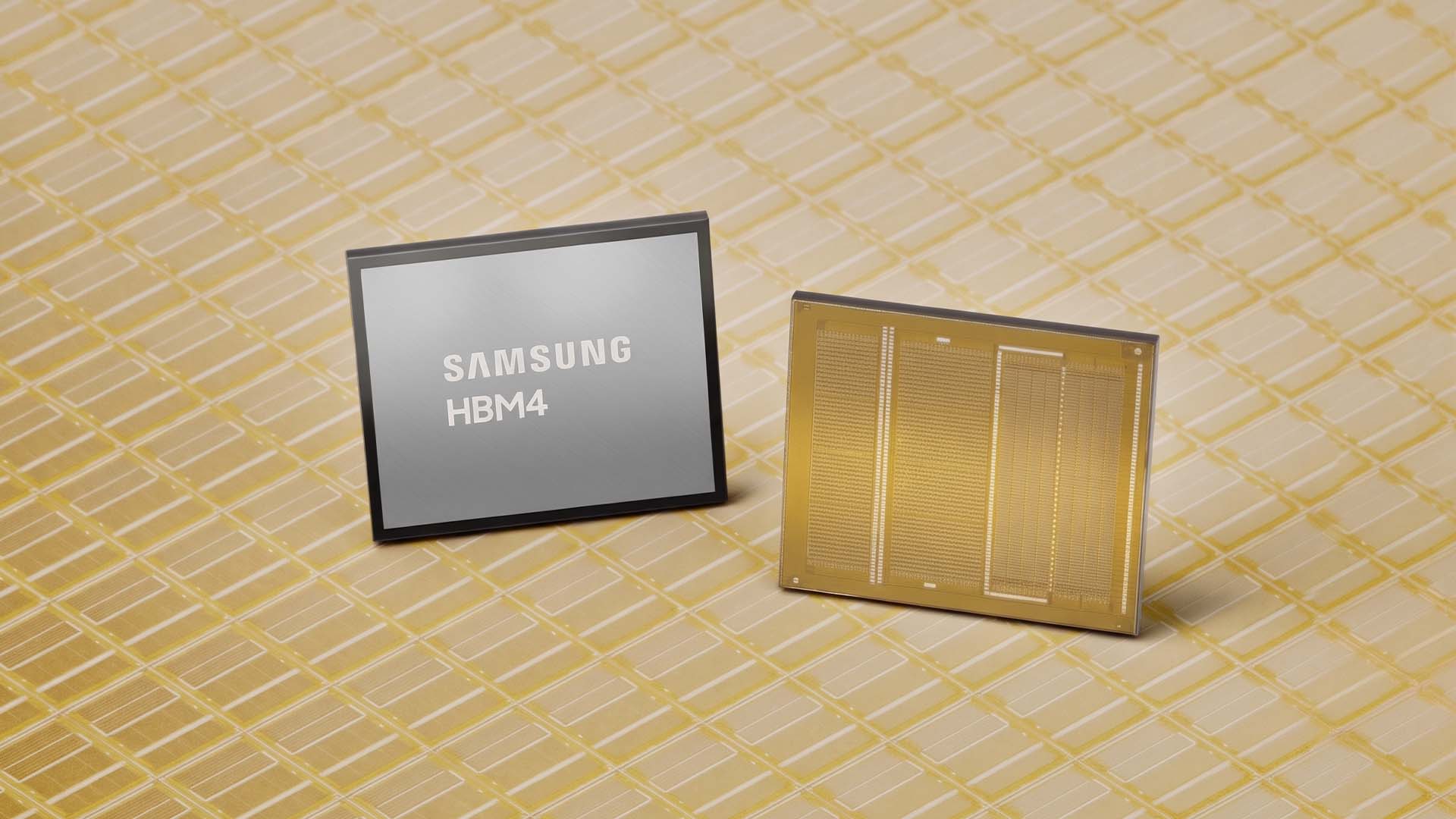
News shows that the boom in generative artificial intelligence and large-scale data center construction has driven global technology companies to scramble to lock in HBM production capacity in the next few years. Since HBM is an indispensable core component for training and running advanced artificial intelligence models, large technology companies including NVIDIA, Google, Microsoft, etc. hope to obtain sufficient supply in advance to ensure that future product and data center deployment plans are not affected.
In this context, Samsung has signed long-term supply agreements with several important customers. According to reports, about 80% of the company's future memory production capacity has been locked in advance through long-term contracts. For these customers, it is more important to ensure a stable supply in the next few years than simply pursuing lower prices.
The industry estimates that some customers are willing to accept a procurement cost that is approximately 25% higher than the normal price in order to obtain priority supply qualifications. This premium is not essentially a purchase of additional performance, but a payment for security of supply at a time when global capacity is tight. As HBM gradually becomes one of the most important strategic resources in the artificial intelligence industry chain, supply guarantee itself is becoming a commodity of huge value.
At the same time, the popularity of long-term supply agreements is also changing the business model of the entire memory industry. In addition to price premiums, new contracts often include terms such as upfront payments and minimum purchase quantity commitments, allowing manufacturers to more accurately plan capacity expansion and capital investment in the coming years.
Samsung executives have previously stated that almost all major customers are seeking to sign long-term supply agreements, and the growth rate of market demand has exceeded the expansion rate of existing production capacity. Even as it continues to expand production, the company still struggles to meet all order demands.
In order to respond to market changes, Samsung is vigorously promoting the production of next-generation products such as HBM4. It is reported that the company has started mass production of HBM4 this year and provided relevant samples to customers. As artificial intelligence chips continue to be upgraded, the demand for higher bandwidth and larger capacity memory is also growing simultaneously.
Analysts believe that the current HBM market is shifting from the traditional commercial storage market to a more strategic supply system. In the past, customers mainly negotiated around price. Now, in the context of the rapid expansion of the artificial intelligence industry, the availability of stable supply has become a more important consideration than price.
As Nvidia, Google, Microsoft and other cloud computing companies continue to build a new generation of artificial intelligence infrastructure, HBM's supply shortage is expected to continue for a long time. For Samsung, SK Hynix and Micron, the three manufacturers that control core production capabilities, their influence in the global artificial intelligence supply chain is further increasing.
Comments