
Abstract:
The U.S. Department of Justice is investigating the technology licensing and talent introduction arrangements between Nvidia and artificial intelligence chip startup Groq, examining whether the transaction circumvented regular antitrust review by avoiding direct acquisitions. According to people familiar with the matter, the Justice Department has issued a formal information request to Nvidia, but the investigation has not reached a conclusion and does not mean that regulators have determined that the company violated the law.
The investigation was launched shortly after the transaction was announced
According to two people familiar with the matter, the Justice Department launched an investigation shortly after Nvidia and Groq announced their cooperation in December 2025, focusing on whether Nvidia used licensing agreements and personnel recruitment arrangements to circumvent antitrust reviews applicable to traditional mergers and acquisitions transactions.
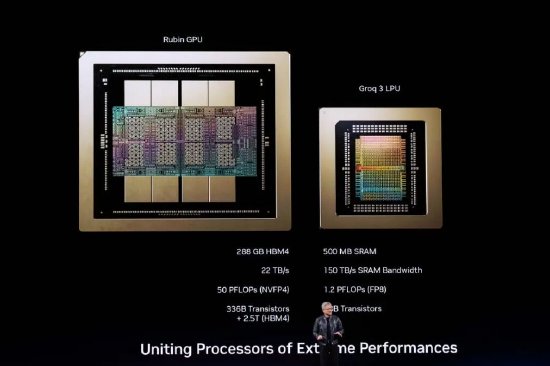
Groq defined the cooperation as a "non-exclusive licensing agreement" at the time, whereby Nvidia obtained the right to use Groq's artificial intelligence reasoning technology. Groq founder Jonathan Ross, company president Sonny Madera and some other employees subsequently joined Nvidia.
Groq did not disclose the transaction amount and said that the company will continue to operate independently, with Simon Edwards taking over as CEO, and the GroqCloud cloud service will remain operational. In an open letter submitted to regulators in February this year, U.S. Senator Elizabeth Warren and others called the arrangement a licensing deal worth $20 billion.
"Reverse talent acquisition" has become the focus of review
In recent years, large technology companies have begun to adopt deal structures that combine technology licensing, minority equity investment, and recruiting core teams. Because the target business still exists in legal form, such arrangements generally do not automatically trigger government merger filing and review procedures like a complete acquisition.
Some U.S. lawmakers call such transactions "reverse talent acquisitions." Warren, Ron Wyden and Richard Blumenthal previously asked the Department of Justice and the Federal Trade Commission to investigate Nvidia's cooperation with Groq, as well as similar transactions implemented by Meta and Google.
Three senators argued that these arrangements could be close to a merger in practical terms: Big tech companies would be able to pool talent, technology and other resources while avoiding the scrutiny that traditional M&A deals typically receive. They specifically pointed out that Nvidia already occupies an important position in the artificial intelligence training chip market, and cooperation with Groq may further expand its influence in the field of inference chips.
The above content belongs to members’ judgment on competition risks. Regulators have not yet confirmed that the transaction between Nvidia and Groq has harmed market competition.
Nvidia says deal is good for innovation and consumers
Nvidia spokesman John Rizzo said that the cooperation with Groq reflects the normal operation of the U.S. innovation system, which can reward entrepreneurs, promote innovation and benefit consumers. He also said that current laws protect the fundamental rights of inventors and employees to choose their career development.
The U.S. Department of Justice declined to comment on specific matters, saying only that it will continue to prioritize affordability issues in the U.S. economy as a law enforcement priority. Groq is still operating a cloud computing business and announced a $350 million round of financing in August this year, in which Nvidia plans to participate.
If the Justice Department ultimately determines that there are problems with the way Nvidia handled the transaction, the company may face fines, but the possibility of the transaction being required to be reversed is low, people familiar with the matter said. This judgment is not a decision announced by the Ministry of Justice, and the investigation may end with no illegal activity found.
The investigation focuses on the transaction structure and has not yet entered the illegal identification stage
Current public information shows that the Ministry of Justice has launched an investigation and formally requested Nvidia to provide information, but there has been no decision to prosecute, punish or require adjustments to the transaction. The core focus of the investigation includes the scope of the license, the transfer of key personnel, the independence of Groq's remaining business, and whether the economic effects of these arrangements constitute de facto acquisitions that should be subject to merger review.
Groq was valued at $7 billion in a round of financing prior to the deal. NVIDIA's current market value is approximately US$5.4 trillion, and it continues to participate in the financing of artificial intelligence start-ups through investment, technical cooperation, and procurement. Its capital scale and position in the artificial intelligence chip market have made related transactions an important case for US regulators and members of Congress to review the concentration of the technology industry.
Comments