
Abstract:
For a long time, it has been generally believed that dogs, horses and other animals have strong human recognition capabilities, while cows are rarely included in relevant discussions. However, a new study shows that cows actually have better cognitive abilities than people think. They are not only able to distinguish between different humans, but also form different behavioral responses based on their interactions with specific people.
This study was conducted by a British animal behavior research team to explore whether cows have the ability to recognize human individuals and how this ability will affect their behavior. Researchers note that although cows are one of the most common domestic animals in the world, their level of social awareness has long been underestimated by the public and the scientific community.
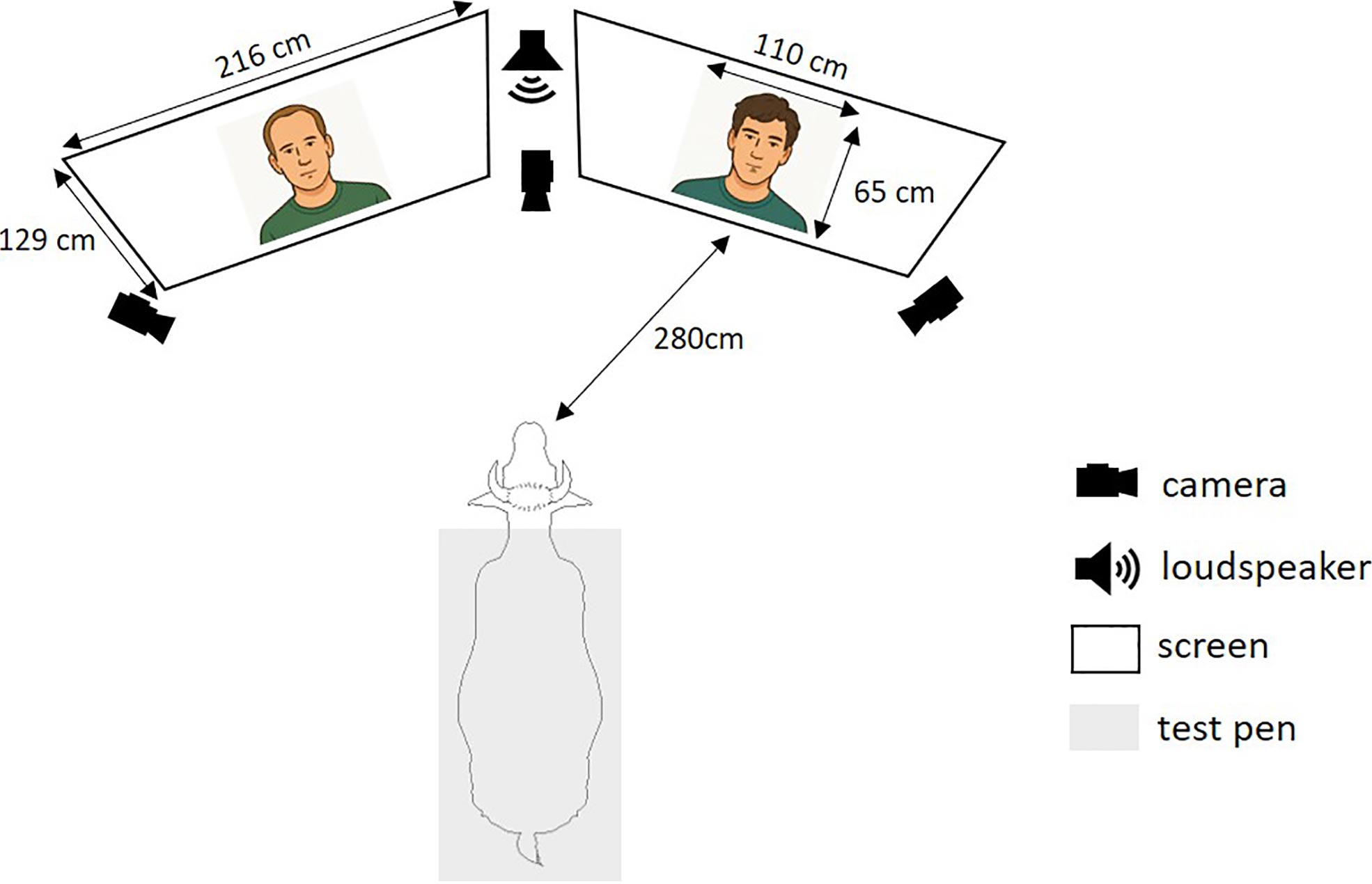
During the experiment, the researchers exposed the cows to different people. Some of these participants will have a positive experience, such as a food reward; others will not. After a period of training, the research team observed differences in the cows' reactions when facing different people.
The results showed that the cows were able to clearly distinguish between the humans. When presented with a human who had offered a food reward, the animals showed more positive behavior, including approaching the target faster, being more willing to interact with the other person, and showing higher levels of anticipation. When faced with people who did not offer rewards, this positive response was significantly weakened.
The researchers believe this shows that cows are not only able to recognize different individuals, but are also able to associate specific people with past experiences and adjust their behavioral decisions accordingly. In other words, cows possess a certain degree of associative learning and social memory capabilities.
The research also further shows that this cognitive ability has practical implications for the daily management of dairy cows. The way farm workers interact with cows may directly affect the animals' emotional state, stress levels and cooperation. Positive, consistent and friendly human contact can help cows develop better behavioral responses, while negative experiences can have the opposite effect.
The research team pointed out that this discovery further enriches people's understanding of the cognitive ability of cattle. In recent years, more and more evidence has shown that cattle are not simply production animals. They can form social relationships, have individual preferences, show emotional changes, and have a certain degree of problem-solving and memory abilities.
Researchers say that understanding how cows sense and remember humans can help improve animal welfare management systems and help farm operators establish more effective human-animal interaction models. As the scientific community continues to deepen its research on animal cognition, domestic animals that were traditionally considered "slow" or "simple" are showing psychological and social behavioral characteristics that are far more complex than they were in the past.
This study is another reminder that cows not only recognize different people, but also judge who is trustworthy and who will lead to positive outcomes based on past experiences. This ability shows that they understand the world around them to a much greater extent than previously thought.
Comments