
Abstract:
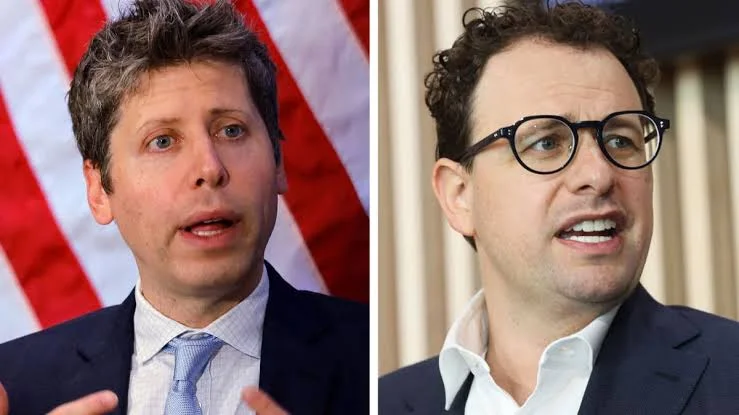
OpenAI CEO Sam Altman and Anthropic PBC CEO Dario Amodei made a rare appearance at a meeting of the United Nations Security Council, where the two urged world leaders to cooperate in artificial intelligence. The conference focused on the concern that AI may pose an existential threat to humanity.
In their speeches, both Altman and Amodei emphasized the importance of global cooperation on standards to deal with situations where the self-improvement capabilities of AI systems may exceed human control. The two executives said governments should work together with industry to make key decisions about the technology's future.
Altman said, "Historically, some countries that compete with each other and are not always friendly to each other will come together for common interests and collective well-being in the face of powerful new technologies. We believe that this is such a moment."
Wednesday’s Security Council meeting took place on the sidelines of the United Nations General Assembly in New York, where leaders and top diplomats debated artificial intelligence and its dangers.
In his opening remarks, United Nations Secretary-General Antonio Guterres urged world leaders to coordinate on so-called cutting-edge artificial intelligence models and pointed to the United Nations as a platform to support these efforts. In his speech, US President Donald Trump rejected calls for an international agreement to set up safety guardrails for the development of artificial intelligence.
In a speech delivered via video, Amodei said that artificial intelligence is expected to bring huge benefits to science and medicine, but it may also have catastrophic consequences. Noting that terrorists could use artificial intelligence to create deadly biological weapons and that artificial intelligence models could be too powerful beyond the control of developers, he urged governments to develop international safety standards.
Amodei said, "While we all have many differences here, we must put them aside and work together to address the global opportunities and global threats before us. No one leader, no one company, no one country can meet this challenge alone."
In his speech at the Security Council meeting, Altman tried to find a compromise on whether the development of artificial intelligence technology should be slowed down. He believes there is a "pragmatic path" between those who warn of the catastrophic consequences of artificial intelligence and those who downplay potential risks. He also joined Amodei in emphasizing the need for rapid incident response mechanisms.
“It would be good for all of us if we could reach a global consensus on effective evidence, effective safeguards and effective oversight,” Altman said. "We don't know everything, and we're very open to any better suggestions. We're willing to work with everyone to do our best to find a way forward."
Comments