
Abstract:
A KLM flight from Amsterdam in the Netherlands to the Caribbean island of Curacao was forced to turn around and return to the departure point after a few hours of flight due to a sudden fire in a power bank in the business class. This incident not only caused delays for hundreds of passengers, but also once again caused the aviation industry to pay attention to the safety of lithium battery equipment.
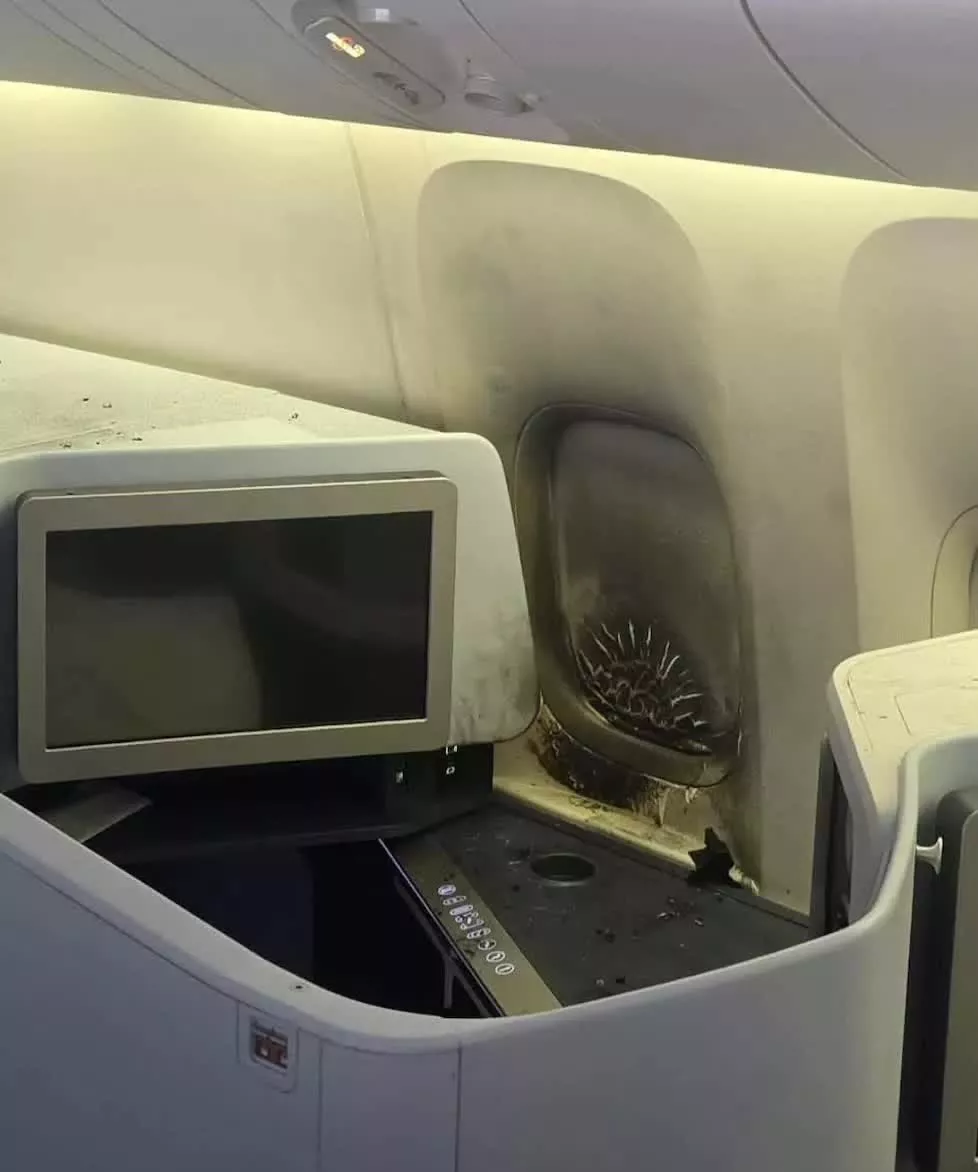
The flight in question was KLM flight KL735, originally planned to fly from Amsterdam Schiphol Airport to Curacao. When the plane was flying across the Atlantic Ocean, more than five and a half hours after takeoff, a power bank in the business class cabin suddenly malfunctioned and caught fire.
According to passengers' descriptions, there was a loud noise in the cabin when the incident occurred, and then an open flame quickly appeared. Flames burst out from near the seat and caused obvious burn marks on the seat area and the curtains next to it. Fortunately, the crew acted quickly to extinguish the fire and bring the situation under control in a very short time.
Although the fire was quickly controlled, because the plane was already far away from the land at the time of the incident, the crew finally decided to give up continuing to the destination and instead turned around and returned to the Netherlands. For a long-haul flight that has been flying for several hours, this means passengers have to re-traverse much of the route they have already taken.
The plane finally landed safely at Amsterdam Schiphol Airport. The airline subsequently arranged hotel accommodation for the 322 passengers on board and arranged an alternative flight to continue the trip to Curacao the next day.
The incident attracted additional attention because multiple Dutch media reported that the malfunctioning power bank allegedly belonged to Camille Olins. Olins was the former CEO of KLM, so his identity quickly became the focus of public opinion.
According to information disclosed by passengers to local media, the power bank involved was being charged at the time, which was in violation of KLM's current regulations. KLM allows passengers to bring mobile power banks on board, but they must be placed in carry-on luggage and are prohibited from being used or charged during the flight.
Witnessed passengers said that Olins himself seemed extremely shocked and annoyed after the incident, and felt very remorseful for the accident and the inconvenience it caused to other passengers. Another passenger believed that it may be understandable for ordinary passengers to occasionally violate the rules, but for someone who was once responsible for formulating and enforcing airline-related rules, such an incident is particularly surprising.
Although the power bank is small in size, the internal lithium-ion battery stores considerable energy. Once overheating, short circuit or cell failure occurs, severe high temperatures, thick smoke or even flames may occur. In the enclosed environment of an aircraft cabin, these types of accidents are considered high-risk safety events.
In recent years, the global aviation industry has continued to tighten management measures for power banks and lithium battery equipment. More and more airlines are beginning to restrict in-flight charging and require passengers to carry mobile power banks with them instead of putting them in checked baggage. The International Civil Aviation Organization has recently further strengthened relevant regulations, including limiting the number of passengers that can be carried and prohibiting the charging of power banks during flights.
This incident once again demonstrates that even a seemingly ordinary mobile power supply may have a significant impact on flight safety in a high-altitude flight environment. As power banks gradually become a must-have device for passengers, how to strike a balance between convenience and flight safety will remain an important issue that airlines and regulatory agencies continue to pay attention to.
Comments