
Abstract:
As electronic equipment continues to be miniaturized, the demand for ultra-small devices in medical, aerospace, and security fields is growing. However, the size limitations of traditional batteries, motors, and mechanical components have also become obstacles to further shrinking of micro-devices. The Microbial Robotic Systems Laboratory at the School of Engineering at the Ecole Polytechnique Fédérale de Lausanne (EPFL) in Switzerland recently proposed a new solution: using sound to power microdevices to achieve directional movement without batteries and motors.
The technology is based on Helmholtz resonance, the physical phenomenon that causes a buzzing sound when people blow air into the mouth of a glass bottle. When the sound frequency matches the natural vibration frequency of the air inside the bottle, the air trapped in the cavity will vibrate strongly. The research team applied this principle to micro-cavity structures made of 3D printed plastic, glass or rubber-like polymers.
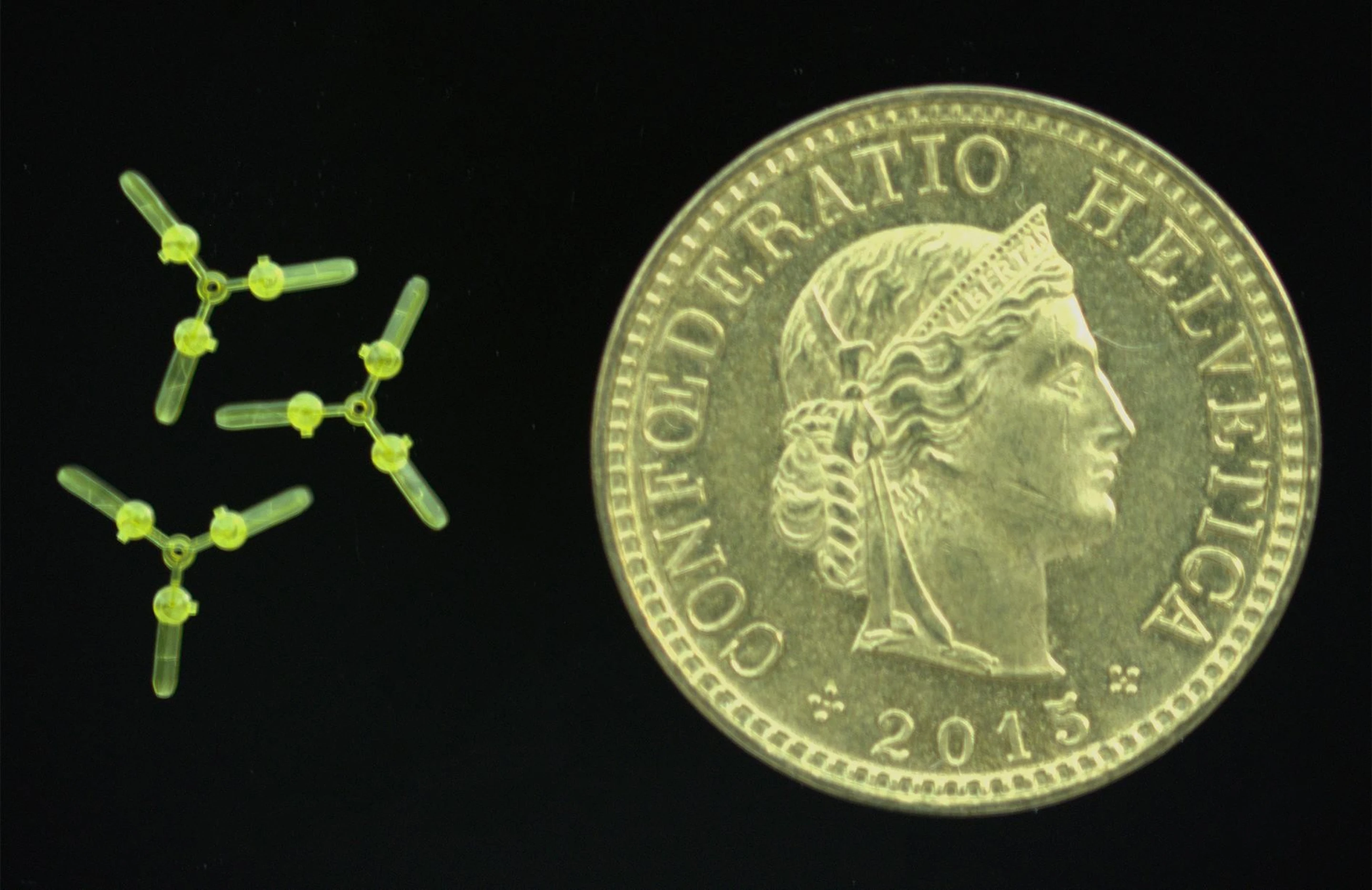
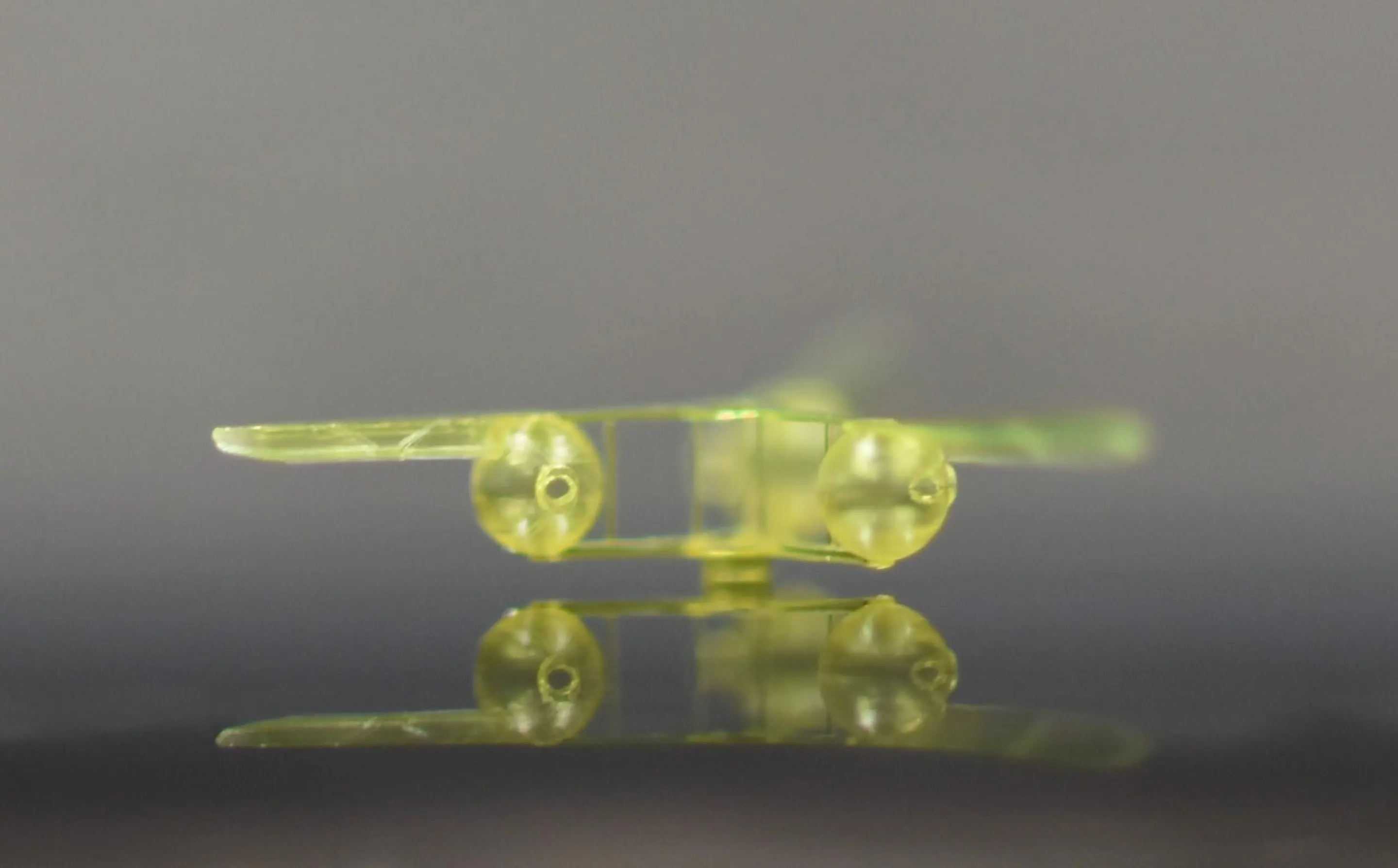
Under the action of sound waves, the vibration of the air inside the cavity will form a concentrated airflow that is sprayed outward; while the return air is relatively dispersed. The asymmetry between the two airflow distributions creates a thrust force that moves the device. Unlike past research that used external sound waves to directly "push" passive objects, or to manipulate objects through acoustic levitation, the new solution aims to collect acoustic energy in the environment and convert it into mechanical thrust.
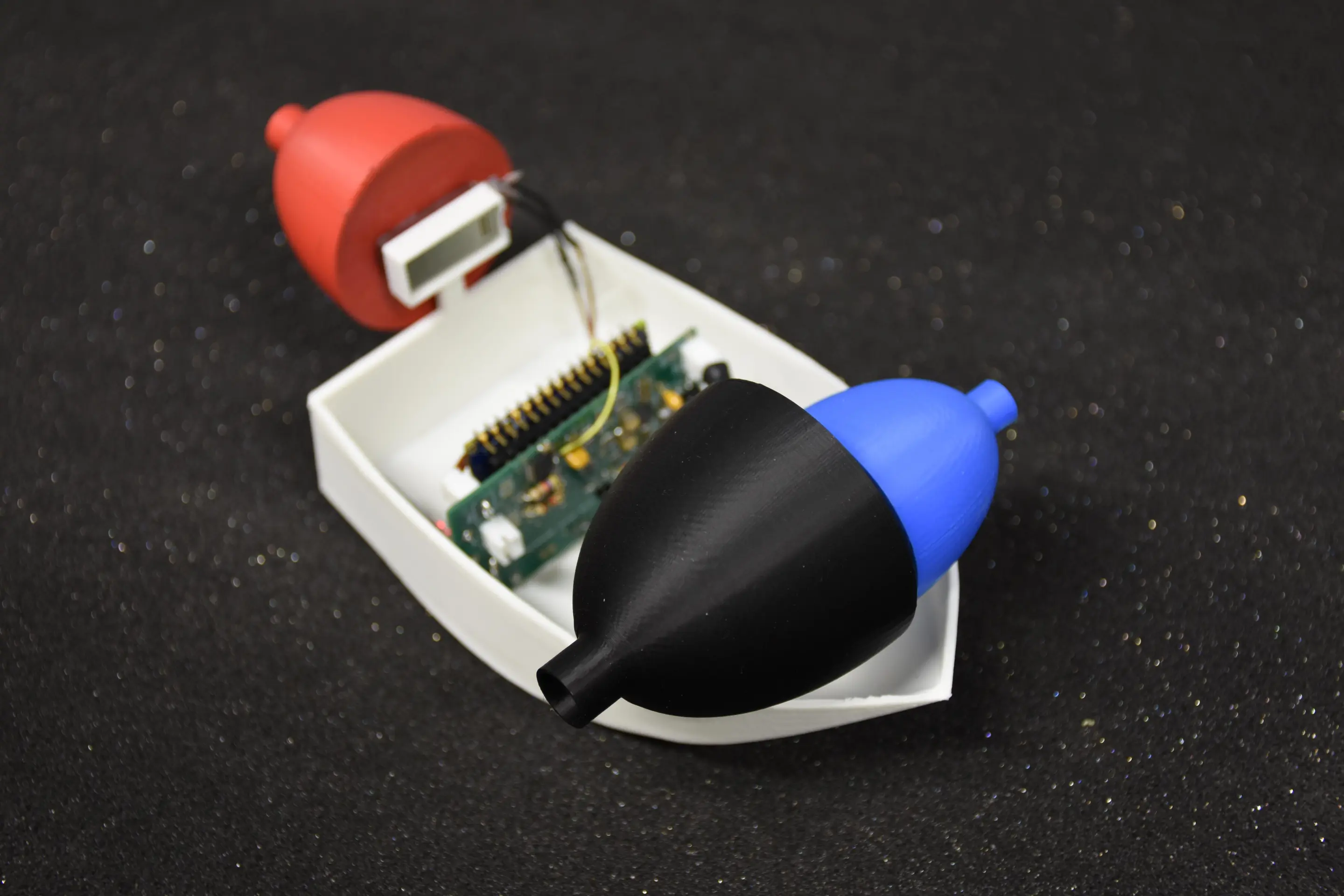
To test this idea, the researchers first made micro-ships and arranged three cavities corresponding to different resonance frequencies on each ship. By switching the frequency of the sound waves, the team could selectively activate one of the cavities to push the ship in a specific direction.
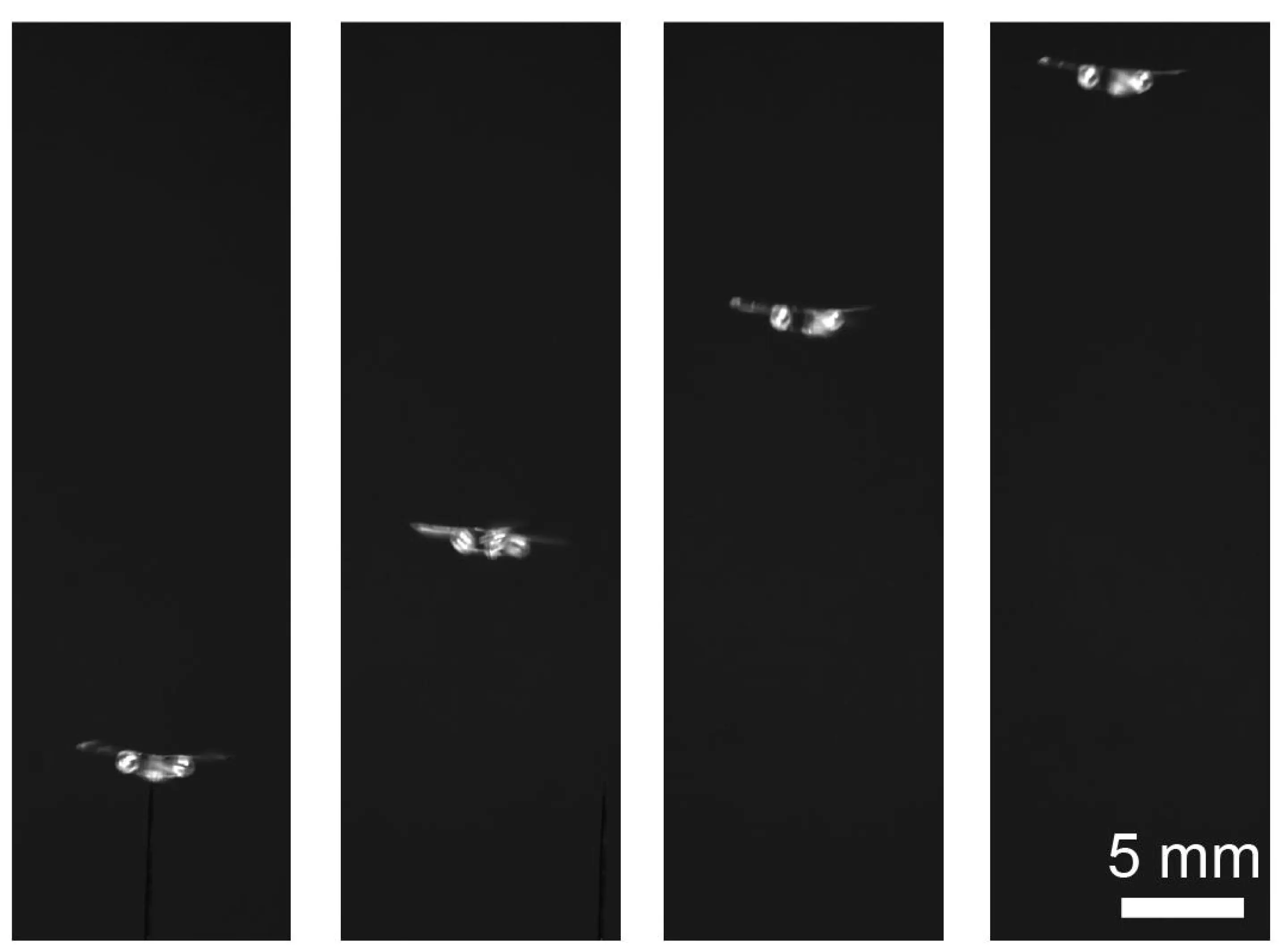
Subsequently, the team also built an ultra-light "micro-aircraft". This type of micro drone weighs as little as 150 micrograms and has three tiny cavities integrated into its body. Tests have shown that the microaircraft can move forward when driven by ultrasonic frequencies that are inaudible to the human ear.
Another design combines acoustic cavities with tiny propeller blades. Experimental results show that the thrust generated by the cavity is enough to make the blade reach a speed of 13,000 revolutions per minute. For comparison, ordinary drone propellers are usually only on the order of thousands of revolutions per minute.
Researchers believe that this technology is expected to promote the development of micro-devices and robots that do not require traditional batteries and motors in the future. By configuring multiple acoustic structures that respond to different frequencies in the same device, different parts of the device can be activated and move independently, bringing new design ideas to flexible microrobots and highly integrated microdevices.
Comments