
Abstract:
A newly disclosed patent from Sony Interactive Entertainment shows that the company is researching a new payment method for digital content. In the future, PlayStation players may be able to directly use the game controller to purchase games, expanded content, and other digital goods without having to repeatedly switch devices or manually enter payment information.
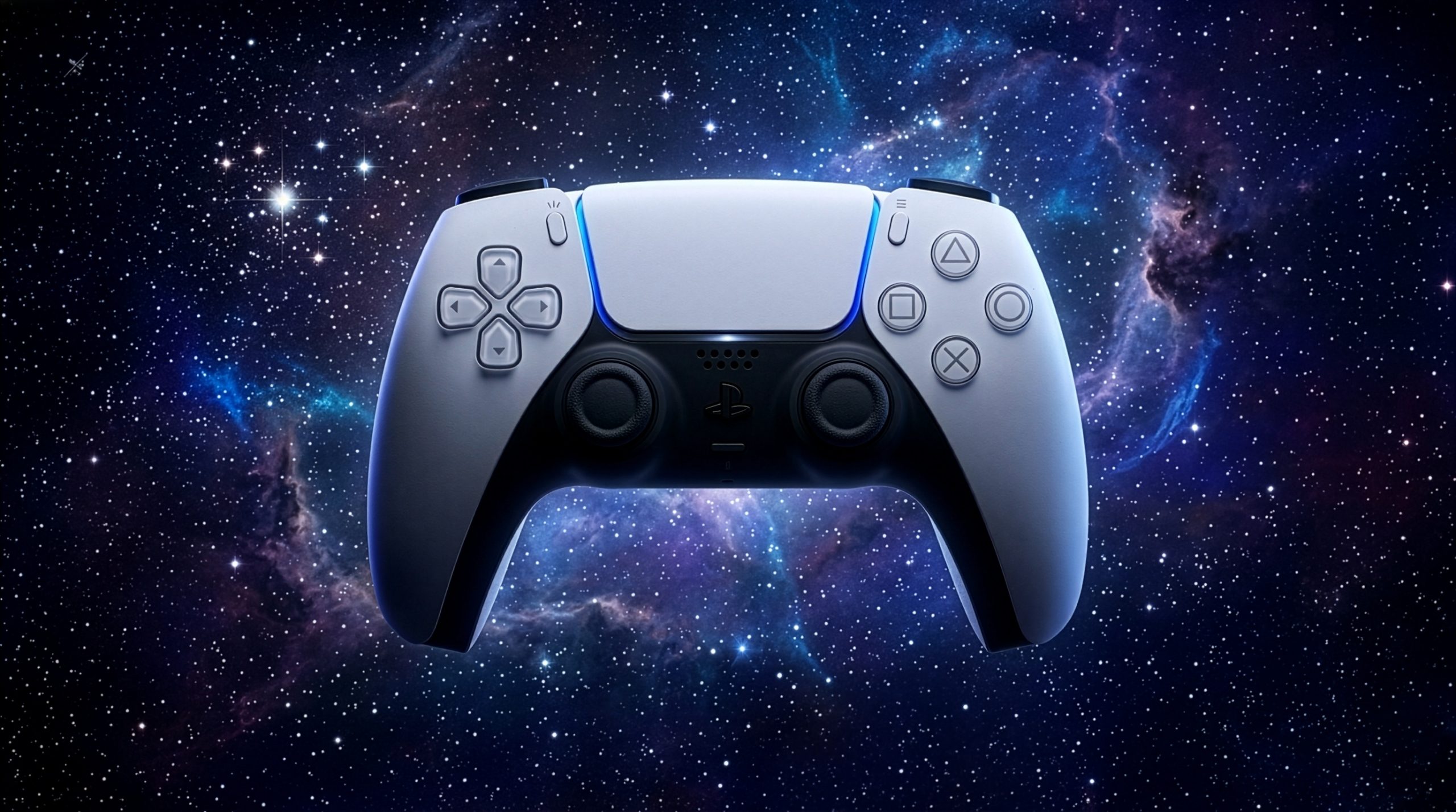
According to the patent description, Sony plans to let the PlayStation controller play the role of a "relay station" in the payment process. The core idea of the entire system is not to store bank card information directly in the controller, but to use the user's authorized smartphone or other electronic device to save the payment voucher, and then complete the information transfer through the wireless connection between the controller and the host.
In a hypothetical scenario, when a player browses the PlayStation Store and is ready to purchase a game or digital content, the console makes a payment request. At this time, the handle connected to the host will detect whether there is a registered or authorized electronic device nearby, such as the user's mobile phone.
When the controller confirms that the target device is within the preset distance, it will actively send wireless signals to establish contact with it. The user device then returns a confirmation and sends the required payment data to the handle. The controller then continues to transfer this information to the PlayStation console, ultimately completing the purchase process.
Judging from the working logic of patent display, the entire process will minimize user intervention. Players do not need to look up bank card numbers, open payment apps, or enter complex information item by item via a controller. As long as the authorized device is nearby, the system can theoretically complete payment verification quickly.
Sony hopes to further simplify the digital goods purchasing experience in this way. For users who frequently purchase games, DLC expansion packs or subscription services from the PlayStation Store, this mechanism is expected to shorten payment times and reduce the steps of switching back and forth between different devices.
The patent document also shows that the system relies on distance detection and wireless communication mechanisms to operate. The handle is not only responsible for discovering nearby devices, but also responsible for connection establishment, data transfer and payment information transfer, thus becoming an important bridge between the host and the user's mobile device.
In recent years, as the proportion of digital game downloads in the PlayStation ecosystem continues to grow, more and more players have become accustomed to obtaining content online. Industry insiders believe that Sony's exploration of this payment model actually reflects its long-term strategy to further enhance the digital platform experience.
At the same time, this patent also reflects Sony's continued exploration of future game hardware interaction methods. In the past few years, the company has successively submitted patent applications involving modular controllers, touch controllers, new interactive interfaces, etc., and this payment function concept further expands the role of the game controller.
However, it should be pointed out that patent disclosure does not mean that the product will definitely be put into the market. Technology companies tend to apply for a large number of technology patents in advance, a considerable number of which will not ultimately be converted into commercial products. Therefore, it is still unclear whether this payment solution has entered the actual development stage.
Nevertheless, this patent still shows Sony’s vision for the future digital consumer experience. In this concept, the game controller will not only be a tool for controlling games, but may also become an important node connecting consoles, mobile devices and payment systems. If the relevant technology is finally implemented, the process of purchasing digital content for players in the future may become as simple as pressing a confirmation button.
Comments