
Abstract:
South Korean Education Minister Choi Kyo-jin resigned. The move comes after the South Korean government was thrown into disarray as it took steps to crack down on cheating using artificial intelligence (AI) in the country's competitive university entrance exams.
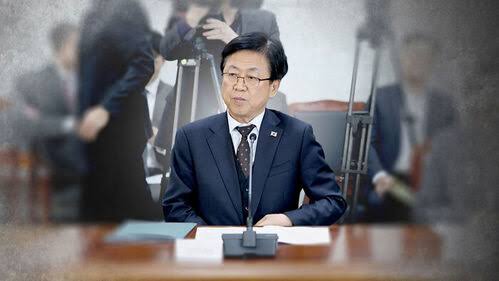
Cui Jiaozhen, 72, previously said that he does not think he can 100% identify cheating using AI and sees age as an obstacle. The remarks sparked widespread criticism.
South Korean President Lee Jae-myung approved Choi Gyo-jin’s resignation within an hour, trying to quell the public outcry caused by a series of high-profile AI cheating scandals in recent weeks.
South Korean police are investigating how Han Won-seok, who wanted to become a tax accountant, used an AI device to cheat on a professional qualification exam. In the two exams held in April and July this year, Han Won-seok achieved almost full marks on hundreds of questions.
After the scandal was exposed, Lee Jae-myung proposed a reward of 100 million won (approximately US$75,000) to those who report AI-related cheating. He also ordered a comprehensive review of the national examination management system and related laws to maintain examination fairness. In South Korea, one of the world's most competitive societies, such exams play a crucial role in determining a student's future.
Ahead of last week's exams, South Korean authorities restricted WiFi access, put stickers on the buttons of students' clothes to detect hidden devices and issued a nationwide emergency alert to spot hidden smartphones.
Subsequently, the government deployed about 8,400 inspectors and invigilators to various test centers, banned candidates from bringing their own pens and erasers, and announced that anyone caught cheating would not be allowed to retake the exam for 10 years.
About 500,000 students took the nine-hour exam on Thursday. Despite the strict restrictions, inspectors found dozens of cellphones and other banned devices, but it was unclear whether all of them were used for cheating.
Korean students typically spend years undergoing intense rote memorization training to gain admission to elite universities. Traditionally, academic qualifications have played a decisive role in determining an individual's career prospects and social status.
Experts say combating exam cheating requires fundamental reforms to the education system.
Shin Kwang-young, honorary professor of sociology at Seoul Chung-Ang University, said: "In South Korea, just one exam determines students' lives in many aspects such as employment, marriage, and promotion. Therefore, as technology develops, they will inevitably have strong incentives to cheat."
“However, the current education system, which is centered on rote memorization and multiple-choice exams, does little to prepare students or the country as a whole for the future. Education should instead cultivate creativity, comprehensive thinking and problem-solving skills.”
Comments