
Abstract:
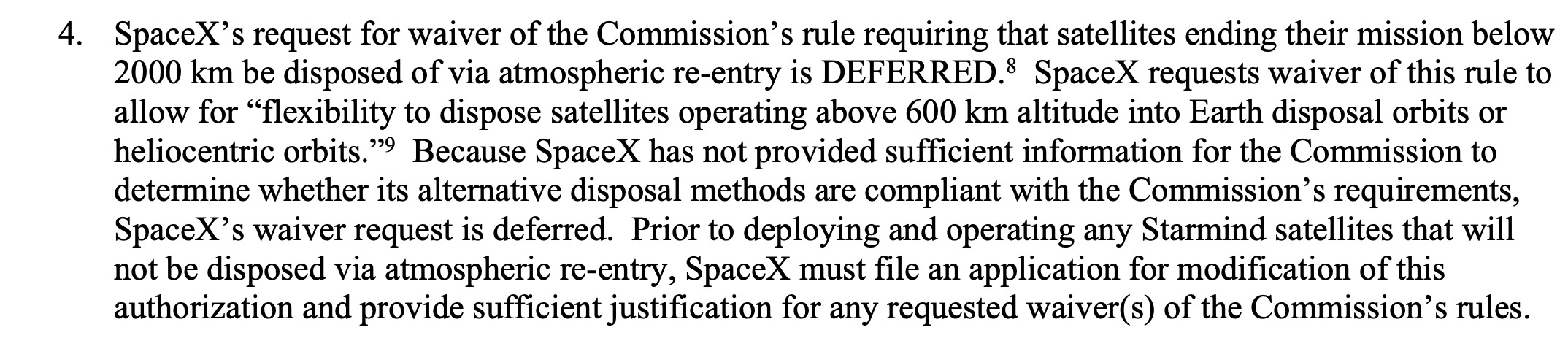
SpaceX recently received approval from the U.S. Federal Communications Commission (FCC) to deploy up to 1 million data center satellites in space. However, this approval comes with an important reservation: SpaceX originally hoped to be allowed to send satellites that are no longer needed into a disposal orbit around the Earth, or into a heliocentric disposal orbit centered around the sun, but the FCC decided to suspend this request on the grounds that SpaceX failed to fully explain whether the relevant disposal methods met regulatory requirements.
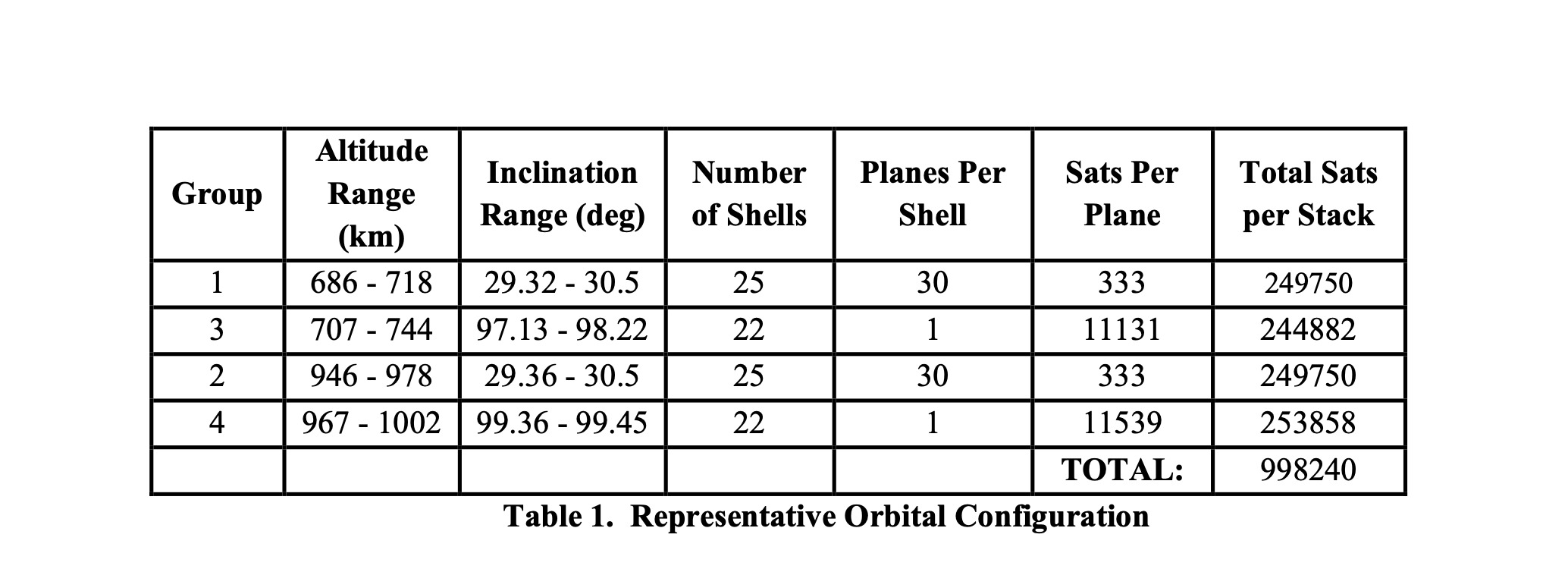
These data center satellites, which SpaceX calls the "Starmind" constellation, will be distributed in four orbital groups at an altitude of approximately 686 kilometers to 1,002 kilometers. According to documents submitted by the company, the total number of satellites is precisely 998,240. SpaceX said it will use its experience accumulated on the "Starlink" satellite Internet constellation to ensure that these spacecraft can use space in a sustainable way.
In the initial document submitted to the FCC, SpaceX proposed that the satellite could be destroyed through atmospheric re-entry after its lifespan, or it could be "sent into a disposal orbit around the Earth, or into a heliocentric disposal orbit." Currently, SpaceX's Starlink satellites mainly rely on atmospheric re-entry to complete disposal, and the satellites will burn up before impacting the ground. The heliocentric orbit in the new plan refers to the orbit with the center of the sun as a reference.
After the FCC asked SpaceX to supplement its non-atmospheric disposal plan, the company submitted more details on May 29. SpaceX said that all satellites operating below 600 kilometers will be disposed of through atmospheric reentry, and for satellites in higher orbits, the company will "tailor-made disposal plans based on the specific orbital parameters and mission characteristics of the satellite."
When SpaceX also applied for an exemption from FCC rules requiring satellites to be disposed of through the atmosphere, it said that the company conducted ultra-high-speed impact tests and confirmed that the impact of the Starlink solar array design would produce very little debris. Solar arrays are mainly composed of lightweight, flexible thin-film photovoltaic materials and supporting substrates, which are likely to shatter into insignificant fragments after impact. In contrast, the satellite body contains dense structural components, electronic equipment, batteries and propulsion systems. Once these parts are damaged, they are more likely to generate debris with secondary collision risks.
The document shows that the total area of the Starmind satellite's solar array is less than 1,500 square meters, the radiator area is less than 200 square meters, the satellite body area is less than 21 square meters, and the mass of a single satellite is less than 4,000 kilograms. SpaceX's risk analysis also shows that the ground impact energy of various subsystems, including payloads and artificial intelligence computing hardware, solar arrays and mechanisms, thermal control systems and avionics components, is less than 15 joules, and the probability of causing casualties is zero.
Despite this, the FCC is still not satisfied with SpaceX’s explanation. In its authorization order approving the Starmind data center satellite constellation, the FCC noted that SpaceX has provided insufficient information for the Commission to determine whether its alternative disposal method meets the Commission's requirements and therefore decided to suspend processing of its exemption request. The FCC made it clear that before deploying and operating any Starmind satellites that do not undergo atmospheric reentry, SpaceX must submit an application to modify this authorization and provide sufficient justification for the regulatory rules from which it seeks an exemption.
The Starmind satellite is critical to SpaceX's business plans. As the company shifts to become an artificial intelligence computing power provider, this constellation is seen as an important part of its future layout. SpaceX estimated in a filing with the U.S. Securities and Exchange Commission earlier this year that the total addressable size of artificial intelligence-related markets could reach $28.5 trillion, and company CEO Elon Musk believes the actual number is likely to be much higher than this estimate.
Comments