
Abstract:
In rural France, teenagers can now drive an electric car with a top speed of 45 kilometers per hour to school without a driver's license. Classified as motorized quadricycles or four-wheel mopeds, these vehicles, which used to be primarily marketed to older rural drivers, have developed into a fast-growing electric segment, with teenagers becoming one of the main customer groups. The shift can be traced to one car, the Citroën Ami, and EU regulations pushing mopeds and scooters off the market.
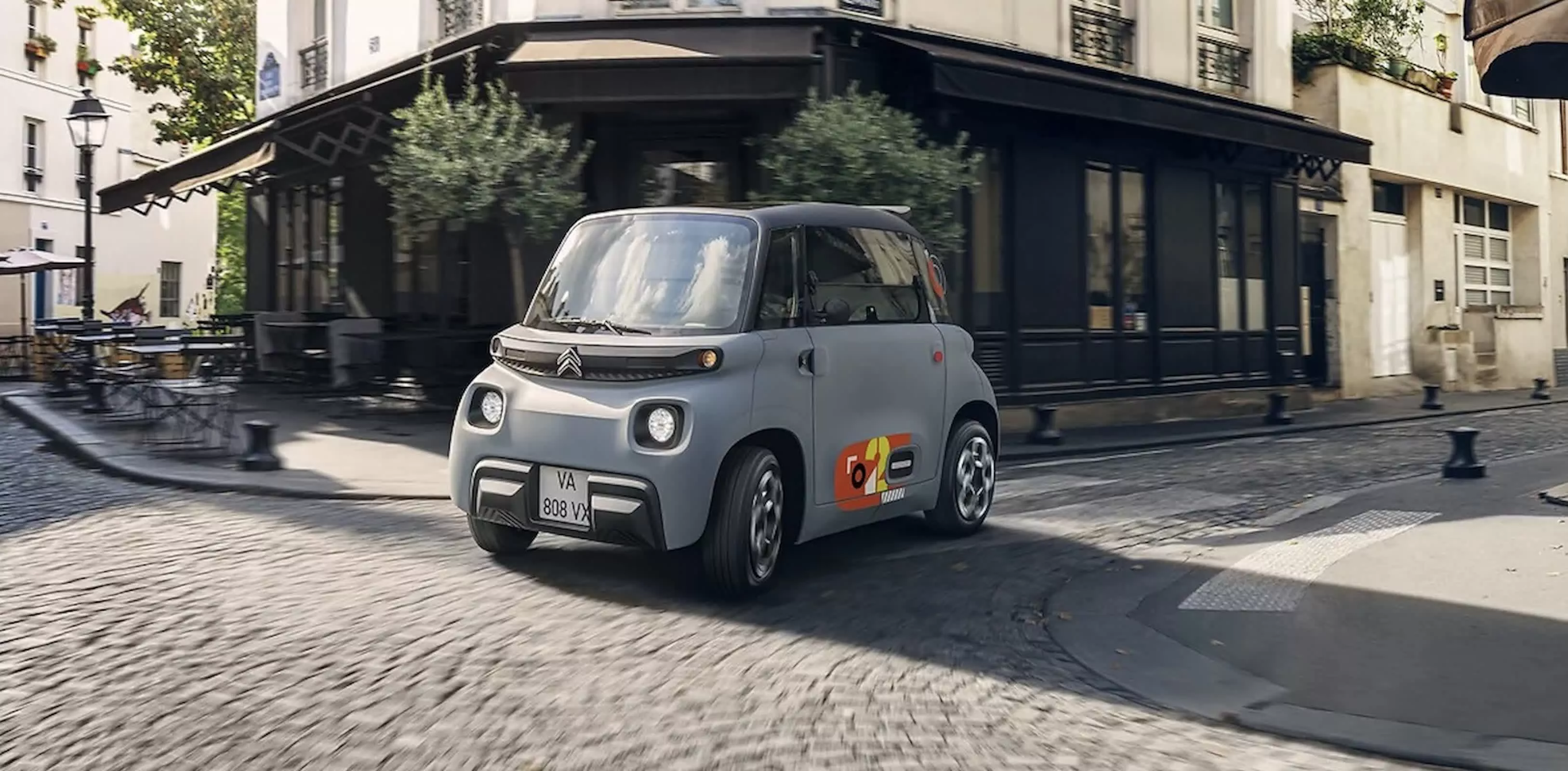
Four-wheel mopeds are between mopeds and traditional cars, and the minimum driving age differs in each member state. In France and Italy, you can drive if you are 14 years old or older, hold a road safety certificate and complete 8 hours of training; the minimum age is 15 years old in Germany and Spain, and 16 years old in the UK.
Lower thresholds have driven steady market growth. French registrations increased from approximately 13,000 vehicles in 2019 to approximately 25,000 vehicles last year, while European sales increased from 30,000 to 60,000 vehicles in five years. Teenagers currently account for a quarter of total minicar sales, a change that is closely related to the launch of Ami in 2020.
The powertrain has also undergone changes as significant as the buyer structure. AAA Data market analyst Marie-Laure Niver said that the launch of Ami has started a transformation in the industry, and more than 67% of new license-free cars sold so far in 2026 are electric vehicles.
Regulation also plays a role. Mopeds and scooters have traditionally been the preferred means of transportation for European teenagers, but the EU's introduction of stricter rules on motorized two-wheelers has changed that. Niveau told the BBC that enforcing the rules was too costly for manufacturers, so mopeds and scooters have all but disappeared from the market since 2020, with license-free cars taking their place.
The technical limitations of this category also lend themselves to electrification. The speed limit of 45 kilometers per hour and the demand for short-distance, localized travel mean that small batteries and motors can do the job, thus reducing the cost and complexity compared with traditional cars. Owners also note that running costs are low and there are few administrative procedures other than insurance.
The market subsequently also showed its dependence on policy. Sales grew strongly until 2024 but leveled off after France scrapped subsidies for electric models.
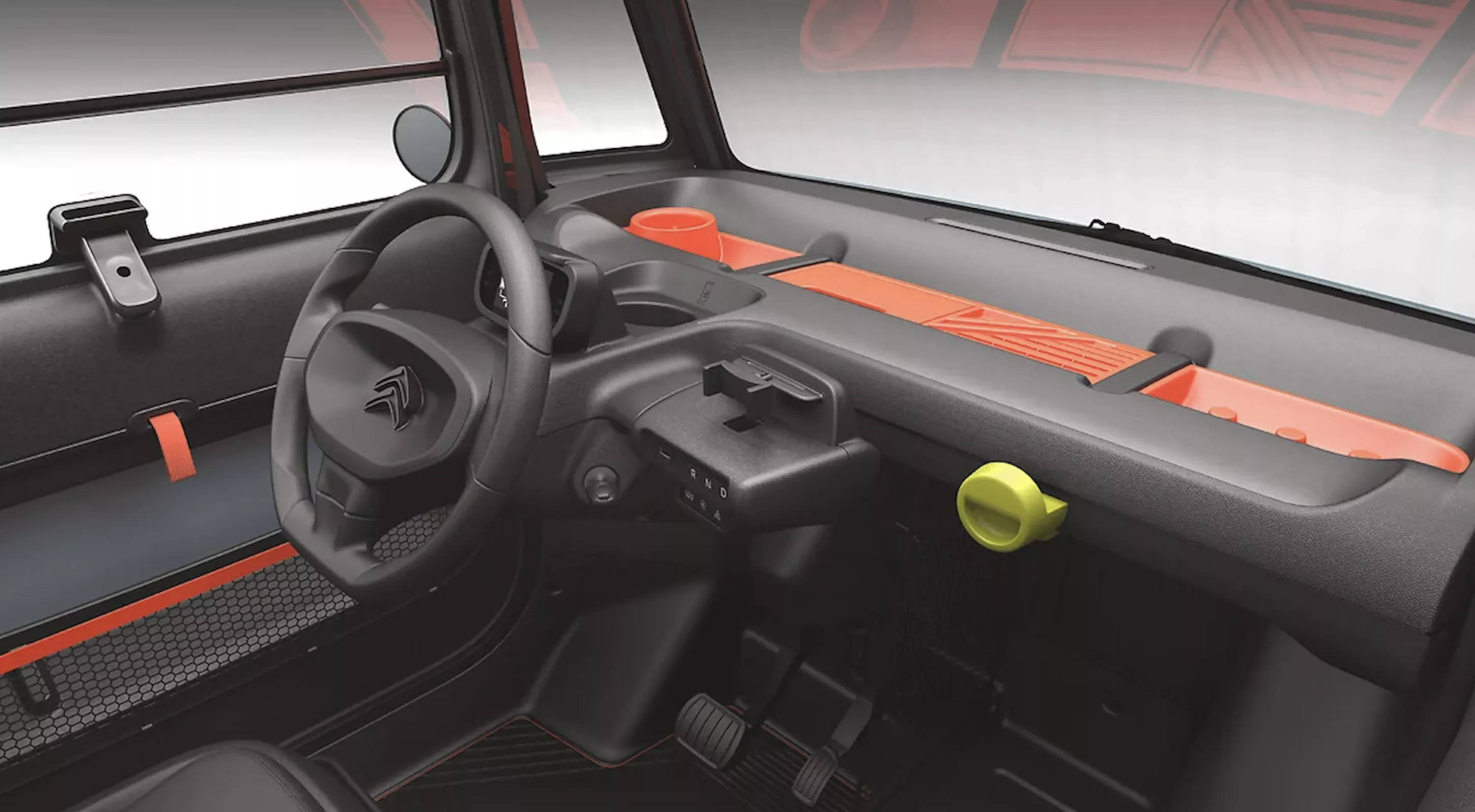
The entry of Stellantis brands into this small market might have squeezed French professional manufacturers, but the result was just the opposite. Aixam sales and marketing director Tom Farge said Citroën has marketing coverage capabilities unmatched by professional manufacturers, letting buyers know that these vehicles can be driven by 14-year-olds in France and 15-year-olds in Germany. In his words: "They bring a lot of exposure to our market."
Aixam has invested US$33 million to expand production capacity in France, and despite a slowdown in the French market, its sales are still growing in other European countries.
Rival Ligier is building increasingly sophisticated minicars, with some models priced close to a small traditional car. Marketing director Roman Ilhems said the biggest change is who the buyers are. In the past, these cars were a necessity for those without public transportation or a driver's license, but now they are an option. Teenagers choose them over scooters and mopeds because they are safer and better protected from wind and rain, and young people now account for 40% of Ligier customers.
The older customer base has not disappeared. This segment has long served rural retirees, as well as people who have traditionally lost their licenses for reasons such as drunk driving. Daniel Lapre, 77, moved to a French village from Paris two years ago. He is a Canadian citizen who failed to replace his foreign driver's license in time and lost his driving privileges. Since there was no public transport and taxis were not feasible, he bought an Aixam.
The engineering trade-offs are evident on the road. Such vehicles are banned from highways and are problematic even on moderately fast roads at speeds much lower than other traffic. Lapre said he had tried the 110-kilometer speed limit on the national highway but would not try it again because all vehicles, including large trucks, would quickly approach from behind. He also described the cars as "nothing more than tin cans on wheels," referring to the lack of protection when struck by faster vehicles.
Two seats, a low top speed and no highway access define the category. For manufacturers, these limits are fixed by regulations. For buyers like 16-year-old Selena Bis, who rents an Ami for 60 euros a month plus insurance, the restrictions have so far been an acceptable price to pay for independent travel.
Comments