
Abstract:
The PS5 has the task of surpassing the PS4 and its massive game library, but it succeeds in doing so. From new games, exciting sequels, more powerful hardware, DualSense controllers, etc., I have been immersed in these game worlds countless times and have been reluctant to leave for a long time. However, as the PS5 enters the later stages of its life cycle, my anticipation for the PS6 stems more from doubt than excitement. The problem isn't that Sony isn't making great games anymore, it's that its recent decisions make me feel like it's losing the essence of what the PlayStation was all about.
Sony's online services strategy, project cancellations, changes in hardware strategy, poor game launches and the end of its partnership with Hideo Kojima have all exacerbated this uncertainty. The failure of "Star Wars" and the disappointing critical reception of "Marathon" only added insult to injury. Even "Marvel's Wolverine", which was supposed to easily win the PlayStation, encountered mixed reviews. As a gamer who has played PlayStation for many years since the original console, I can't help but wonder whether PS6 will exacerbate these problems.
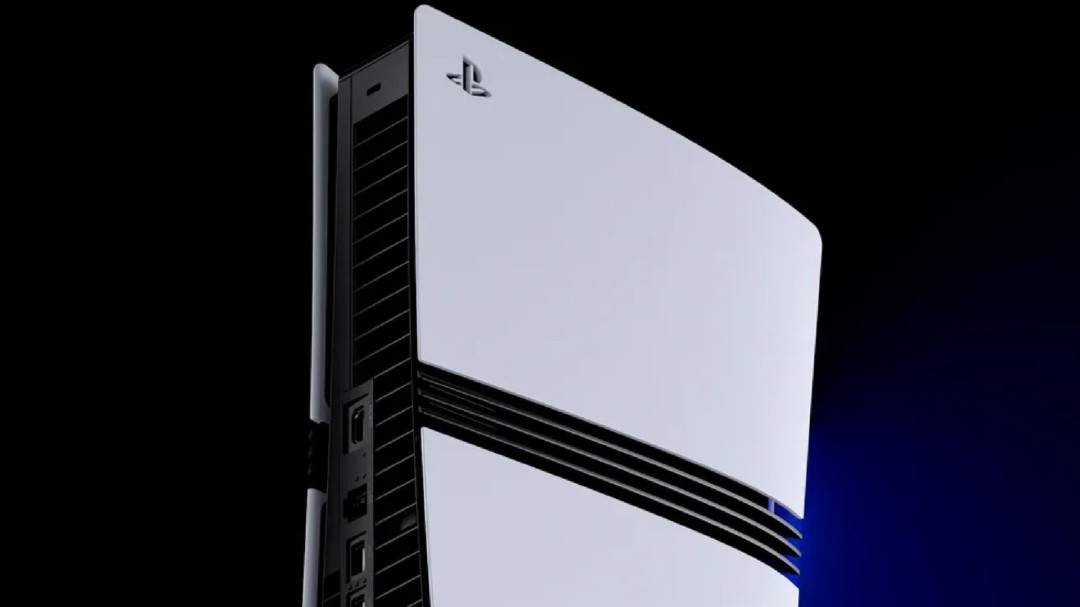
PlayStation’s online services strategy is too costly
Sony's decision to invest heavily in online service-based games is one of the biggest changes in its PlayStation strategy during the PS5 generation. The then president, Jim Ryan, advocated following the trend and fully devoted himself to it. Sony plans to launch 12 online service games by fiscal 2025, which is an ambitious plan. If successful, this will provide an ongoing revenue stream that will retain PS5 players like never before and allow them to enjoy never-ending experiences in some of Sony's most popular game worlds.
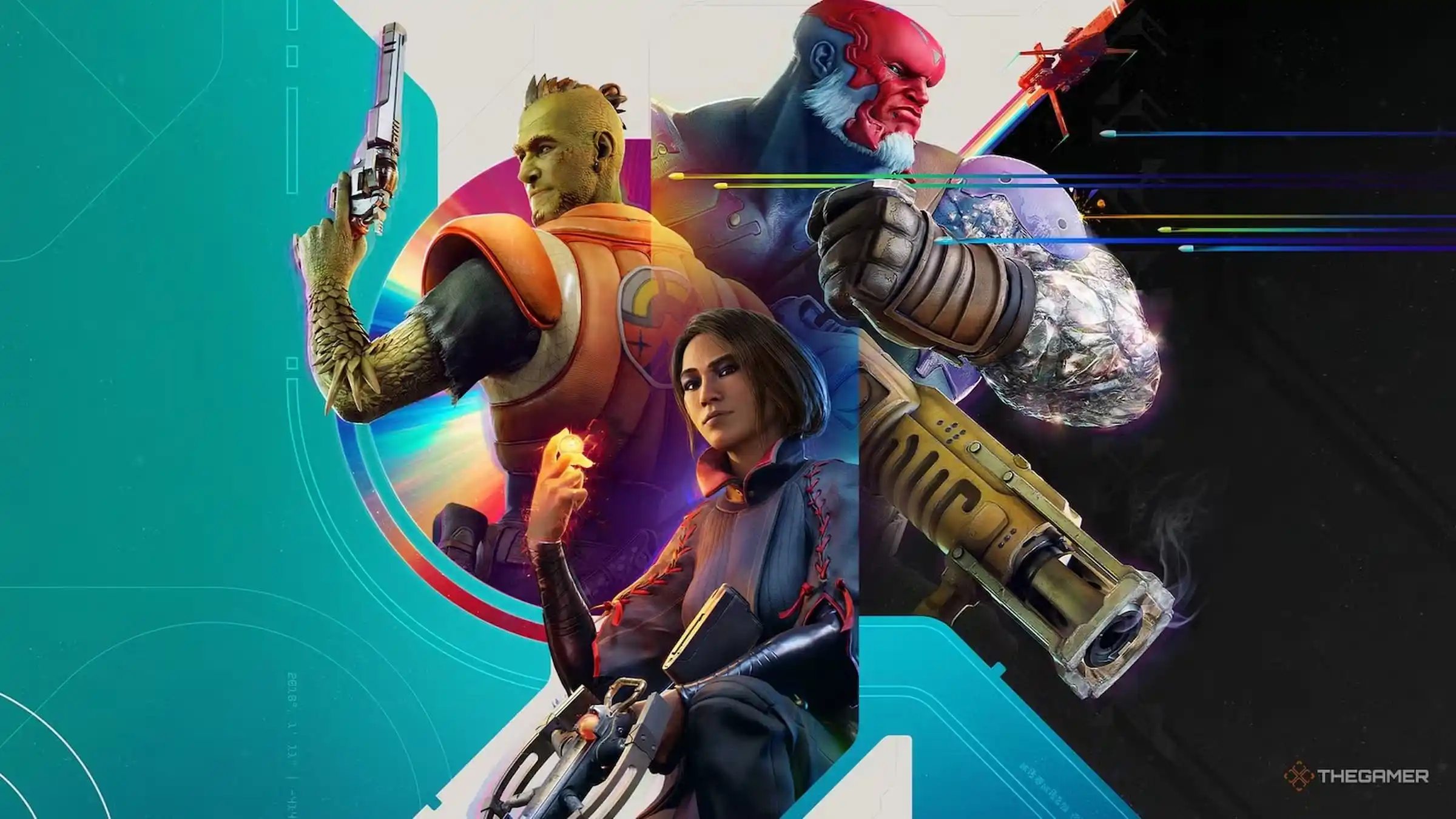
The most obvious example is Star Attack, which I really like. The setting is great and the gameplay is solid, but the online service-based game mode is completely inappropriate for it. It's supposed to be a narrative-heavy game, after all, it initially felt a bit like Guardians of the Galaxy. Unfortunately, the game was removed from the shelves about two weeks after its launch due to insufficient player numbers. Sony subsequently shut down developer Firewalk, wasting years of development time and money.
This is not an isolated case. Sony later canceled the online service game of "God of War" and the multiplayer project of "The Last of Us". Games from Bend Studios and Bluepoint Studios have suffered the same fate, with Bluepoint even shutting down the project entirely. These canceled projects don't mean a complete waste of developer time, as those resources could be used elsewhere, but they do illustrate how Sony's strategy is to pour resources into games that ultimately fail to see the light of day with players.
PlayStation is losing what makes it unique
One of the most frustrating aspects of the PS5 generation is Sony's changing attitude toward physical games. Sony plans to stop producing physical games in 2028, forcing players to buy digital versions of games. This further raises questions about the concept of video game ownership and monopolizes the channels for players to purchase games. Physical games generally sell better, are collectible, and can be resold later.
Digital games are convenient, but convenience does not equate to ownership. When a company switches to digital distribution, it has more control over how its games are sold and acquired. The shift raises concerns about the future of PlayStation hardware for players who want to save their library, lend games to friends or resell them. Discs are physical proof of ownership, and depriving players of this right makes the concept of ownership confusing.
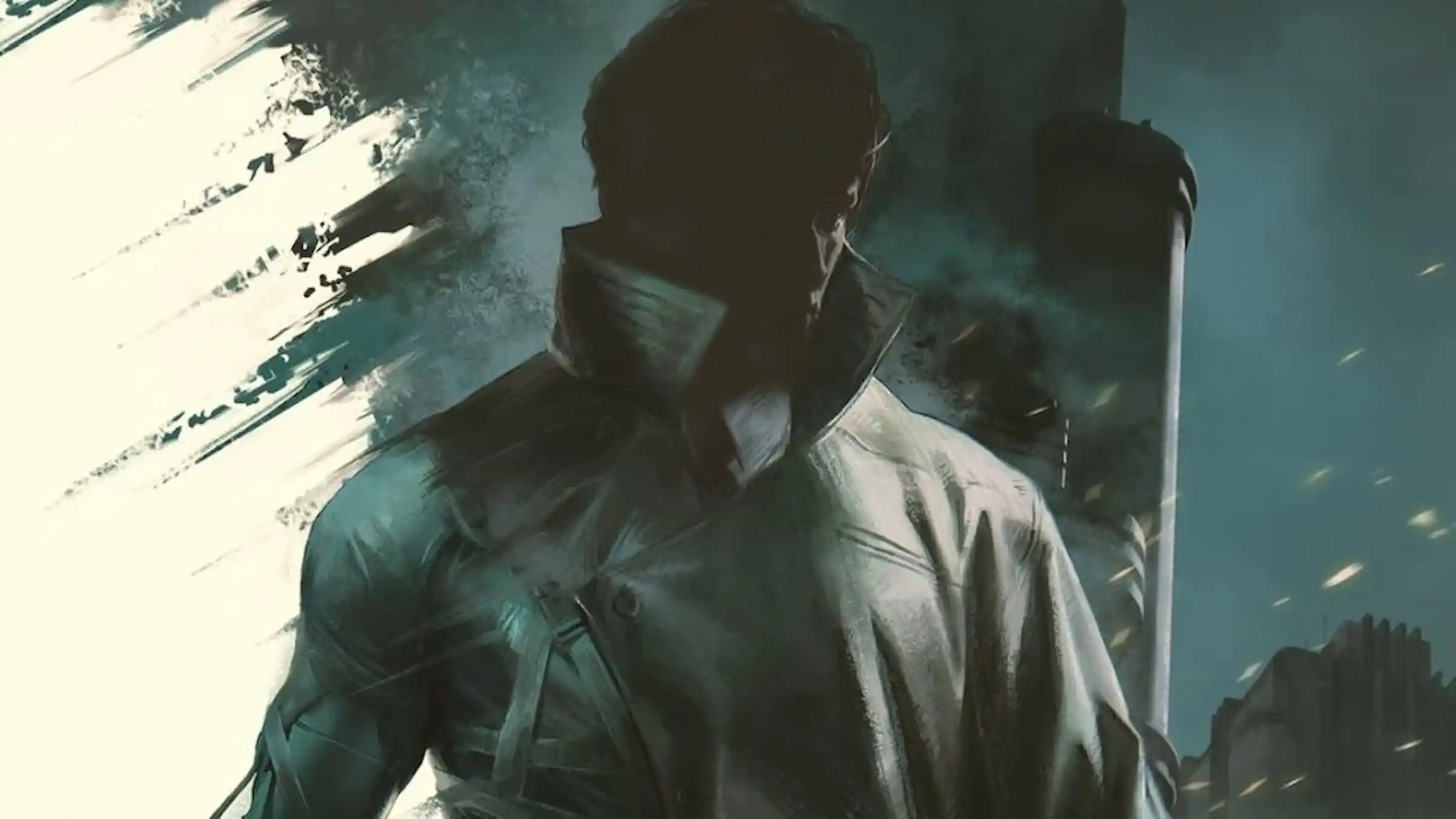
The same uncertainty exists in Sony's relationship with game developers. Hideo Kojima's "Physint" was originally announced as a PlayStation project, but Sony confirmed in September 2026 that it would terminate the cooperation. Fortunately, Kojima found an Xbox partner and was able to continue developing "Physint", but this also exposed Sony's attitude. If it's willing to part ways with Sony, one of the giants in the gaming industry, what does that mean for other game studios?
PS6 needs more than just better hardware
PS5 still has some of the best games of this generation. Although there have been some mediocre games recently, its history is full of excellent games such as "Ghost of Tsushima", "Death Stranding 2", "God of War: Ragnarok", and "Horizon West". These games prove that PlayStation still has blockbuster titles that can attract players. But most of these games are old and cannot support the future development of this console forever.
Marathon is an example of me being cautious. The game, which finally launched after multiple delays and controversy, is losing players. "Marvel's Wolverine" has also received negative reviews from critics and players. Compared with the "Marvel's Spider-Man" series in the Insomnia group, its performance is greatly reduced. This shows that even well-known IP and high production costs cannot guarantee the excellent quality of games, and the future of Sony's studios has also been cast a shadow.
PS6 still has the potential to be an excellent home game console. Better hardware, faster loading speeds, more powerful graphics, and a new generation of first-party games will all be exciting to look forward to. But Sony needs to prove it understands the real reasons why people buy PlayStation consoles. Gamers want great games, a rich library, and confidence in the long-lasting playability of the games they buy. Sony has time to fix these issues, but the PS6 cannot rely solely on the PlayStation brand to support its development.
Comments