
Abstract:
The U.S. Federal Communications Commission (FCC) plans to review a draft new regulation on October 29, which plans to require that testing, certification and laboratory accreditation activities used for FCC radio frequency equipment authorization must be conducted in the United States or a "reciprocal economy" that is mutually recognized with the United States; if passed, the relevant restrictions will take effect on December 1, 2028. What the FCC is currently releasing is a draft to be voted on, not a ban that has already taken effect, and the final content may still be adjusted.
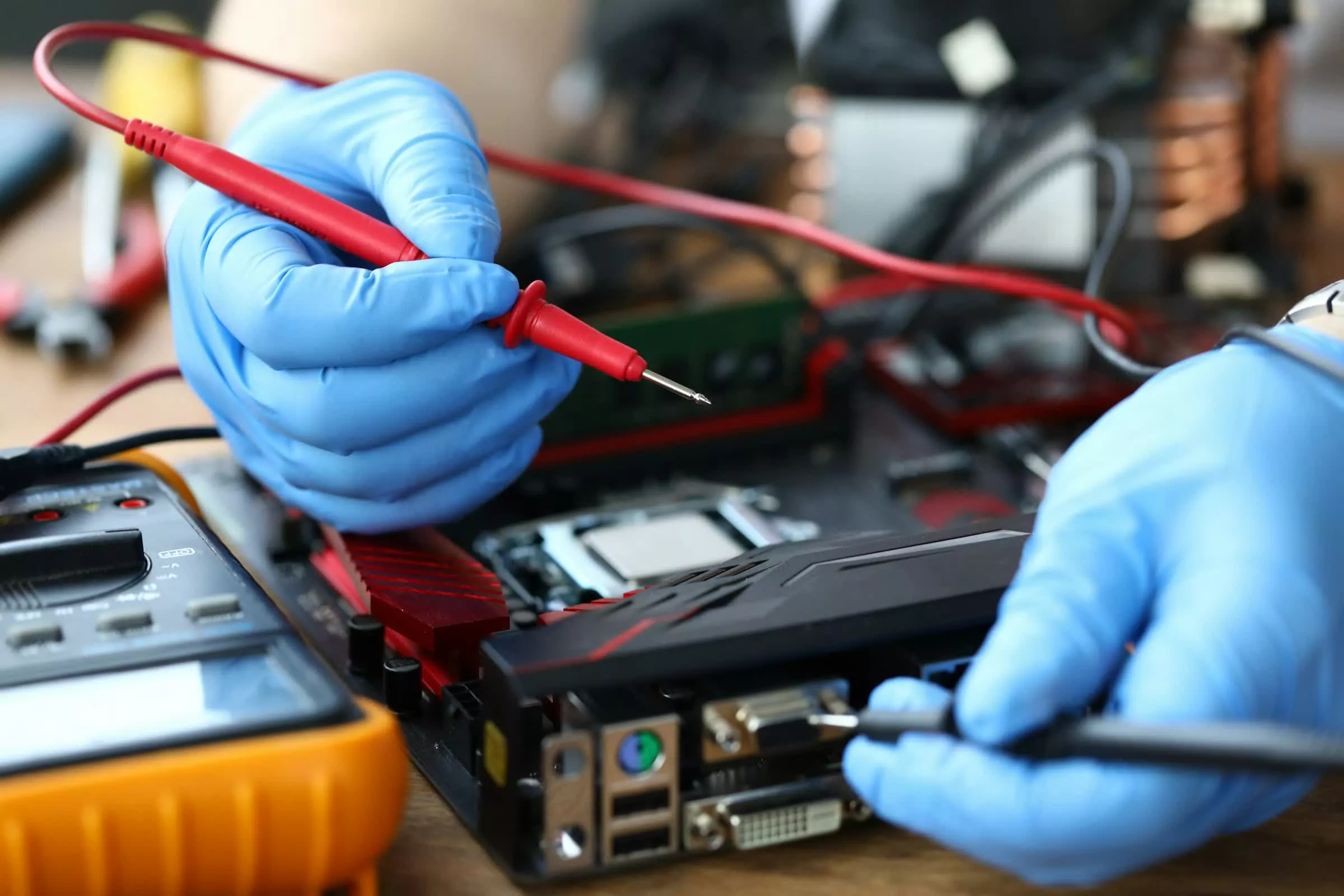
This measure is aimed at wireless radio frequency equipment testing in the FCC equipment authorization system. It does not require that all testing of all electronic products must be moved out of China. Products such as mobile phones and wireless communication equipment that require FCC authorization will be affected. The proposed rules are mainly divided by the location of laboratories and certification activities, rather than targeting only Chinese capital: even laboratories owned by companies in the United States or other countries may no longer be recognized as long as they carry out substantive testing required for certification in mainland China. The reciprocal economies mentioned in the draft include the United States and regions that have signed mutual recognition or similar reciprocal trade arrangements with it; Taiwan and Hong Kong are included in the list, but mainland China is not among them.
The FCC draft will also extend restrictions to telecommunications certification bodies and laboratory accreditation bodies, as well as institutions located in reciprocal economies but actually carry out relevant certification work in non-reciprocal economies. Affected "substantial activities" include test equipment operation, measurement, technical analysis, and preparation or approval of test reports; research and development or pre-inspection, equipment manufacturing maintenance, calibration and general administrative work not related to certification are not within the same limit. The draft intends to give the industry a unified transition period until December 1, 2028. Authorization applications submitted after that time must rely on tests completed in the United States or reciprocal economies; previously approved equipment certifications will still be valid, and submitted applications will not be retroactively revoked.
The FCC stated in the draft that approximately 82% of FCC equipment authorization applications in 2025 will be tested in laboratories in mainland China, with US laboratories accounting for less than 4%. This data refers to the share of test sites authorized by the FCC and is not equivalent to the production of all electronic products in the world or all equipment in the U.S. market. The FCC believes that the concentration of testing activities in a single non-reciprocal economy will bring supply chain security, regulatory oversight and disruption risks, and will also make it difficult for U.S. laboratories to compete; the Commission also described the new regulations as part of restoring the principle of reciprocity and trade fairness.
If the draft is passed, manufacturers will have about two years to move certification testing to the United States or other economies on the list. The FCC stated that the transition period is intended to allow alternative laboratories to expand their capabilities and allow companies to complete adjustments to the certification process; however, the reallocation of laboratory resources may increase testing costs and prolong product approval cycles, especially putting pressure on smaller manufacturers. Whether the additional expenditure will be transmitted to the terminal selling price still depends on laboratory supply, manufacturer arrangements and the content of the final regulations.
Comments