
Abstract:
The U.S. Supreme Court has started its October session this year, but the legal dispute between Apple and Epic Games that has lasted for many years has not yet reached a final ruling. According to the latest information released by the U.S. Supreme Court, both parties will formally state their respective claims to the Supreme Court on January 11, 2027. Before then, the relevant disputes will continue to advance in the lower court system.
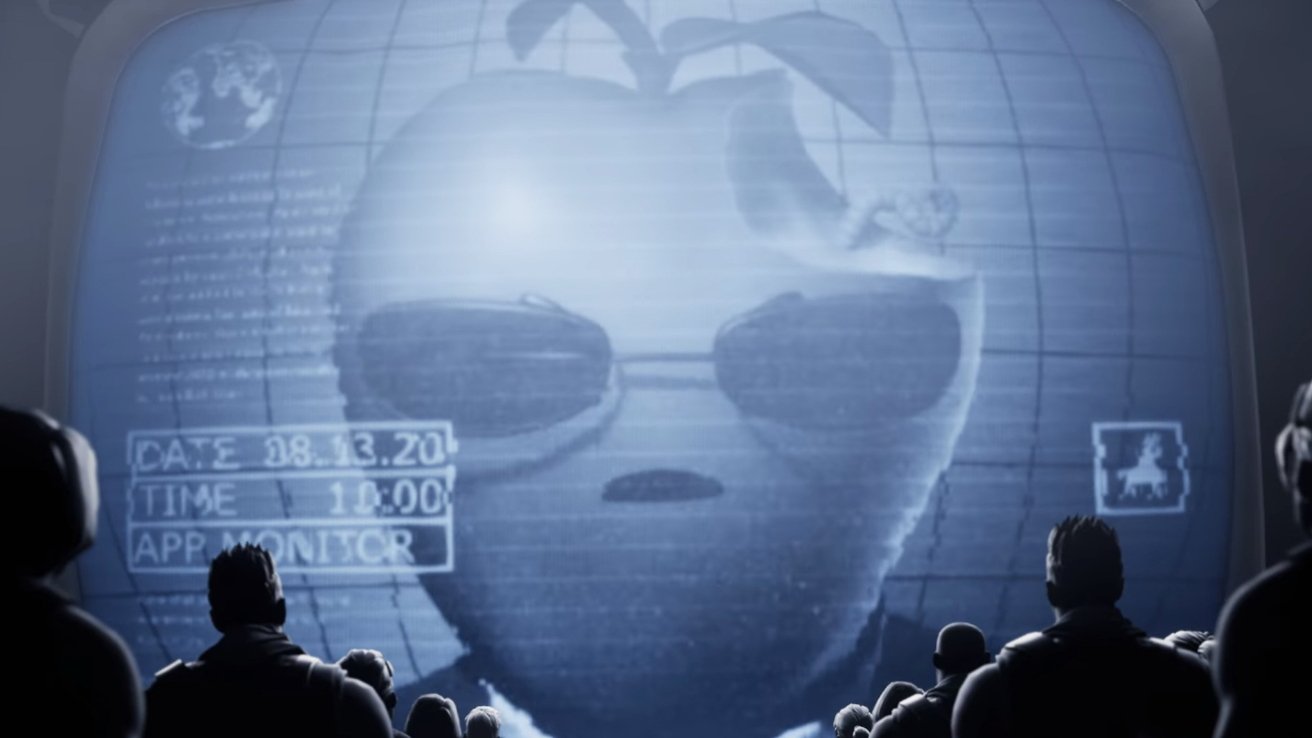
The issue submitted to the Supreme Court this time mainly focuses on whether the lower court has the right to determine that Apple violated the court's injunction based on the "spirit" of the law rather than the "literal meaning" of the law. Apple believes that the relevant ruling exceeds the scope of the court's interpretation, while Epic insists that Apple's actions violate the actual intention of the ban.
Previously, Apple and Epic have continuously elaborated on their respective positions through multiple legal documents. The trial will be the first major opportunity for both sides to make formal oral arguments before the Supreme Court and have their arguments entered into the official record. However, it is unclear whether the Supreme Court will issue a ruling immediately after the January 2027 hearing or postpone the decision to a session later that year.
Looking back at this lawsuit that lasted for many years, Epic lost almost all major claims in the original Apple vs. Epic antitrust trial. The only important claim that gained support was to force Apple to end the anti-bootstrap payment restrictions in the App Store. Subsequently, the court determined that Apple had violated regulations in the implementation of the relevant ban, and Apple has since continued to challenge this determination.
Apple’s appeal to the Supreme Court focused on two core arguments. First, the court should strictly base its determination of violations on the letter of the law rather than on expansionary interpretations based on the spirit of the law; second, Apple believes that another case known as CASA will limit the scope of the court's authority to issue relevant injunctions. However, the Supreme Court has previously rejected arguments related to CASA and only agreed to hear issues related to the criteria for determining violations of the ban.
In the past few months, multiple amicus briefs and related legal documents have continued to support Apple’s position. These papers argue that, with the exception of the U.S. Court of Appeals for the Ninth Circuit, other courts generally make decisions based on the express letter of the law rather than inferences based on the spirit of the law. Supporters of Apple pointed out that the original injunction requiring Apple to end its anti-guidance measures did not clearly stipulate how Apple should handle commission fees. However, the lower court still determined that Apple's subsequent charging mechanism violated the spirit of the injunction and therefore constituted a violation.
At present, the outside world is still unable to predict which side the U.S. Supreme Court will ultimately support, nor can it determine when the final ruling will be announced in 2027. This iconic legal battle in the technology industry that has lasted for many years will continue to affect the development direction of Apple’s App Store business model and future platform regulatory rules.
Comments