
Abstract:
The United States is investigating whether Iran was involved in a series of cyberattacks targeting energy shipping vessels around the world. According to a report in the Wall Street Journal on November 23, U.S. officials believe that up to 50 merchant ships may be targeted in the near future. The vessels carry cargo including crude oil, liquefied petroleum gas, chemicals and other potentially hazardous substances. Some ships have also received bomb threats, extortion demands, or messages warning them not to transport U.S.-related products.
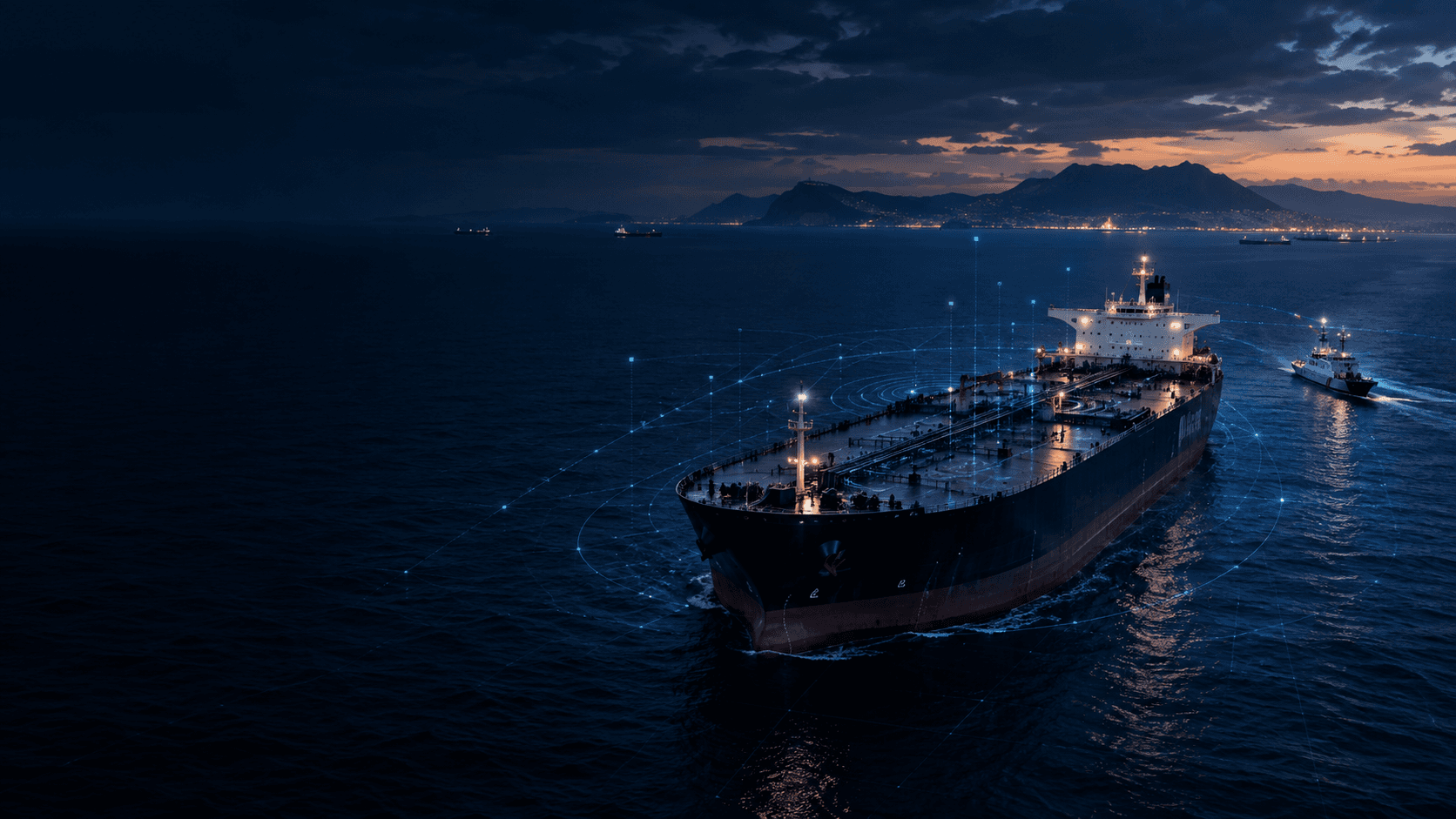
U.S. investigators currently regard Iran as the main suspect and have not ruled out the possibility of Russian involvement. However, the relevant investigation is still ongoing, and there are different views within the US government on the scale of the attack and whether Iran is involved. A Trump administration official said investigators have found no evidence of Iranian involvement and described four of the incidents as low-impact cyberattacks. This means that although Iran has become the focus of the investigation, these incidents cannot yet be determined to be carried out by Iran.
The attacks involved a wide range of ships, including not only ships heading to U.S. ports, but also merchant ships operating in waters near Europe and Asia. The U.S. Coast Guard has deployed specialized cybersecurity teams to at least four ships bound for U.S. ports in recent weeks to investigate potential cyber intrusions and assist with security issues. These include ships named VL Prosperity and Kohaku.
According to reports, attackers exploited a security vulnerability in Fortinet routers used in ship systems. This type of network equipment is often used in ship communications and related information systems. Once compromised, attackers may gain access to some shipboard network systems. Some ships may not realize they have been attacked, while others have received explicit threatening messages, including extortion demands and warnings that they can blow up the ship.
The technical entry points for these attacks are related to security vulnerabilities in ship network equipment. Fortinet routers are widely used in shipping companies and maritime facilities, and some devices connect the ship's communication network and operational technology systems. Once an attacker exploits a vulnerability to gain access, it may interfere with shipboard communications or part of the operating system, forcing the ship to suspend operations and wait for inspection by security personnel, which may also cause voyage delays and additional operating costs.
Some threat messages have obvious political overtones. Some ships have reportedly received messages accusing them of supporting U.S. and Israeli military operations and warning shipowners not to transport U.S. goods. Another European shipowner said that two of its crew members received threatening messages on their mobile phones while transporting U.S. natural gas to a Mediterranean port. Some attackers or those claiming to be responsible have also released relevant information through Iranian and Russian websites and Telegram channels, but the actual source of this information has not been independently confirmed.
However, cyber attacks do not mean that hackers can easily remotely control ships and cause catastrophic accidents. Lars Jensen, a shipping analyst, told the Wall Street Journal that extreme scenarios such as hackers remotely causing ship explosions or manipulating ships to hit bridges are unrealistic because merchant ships still retain manual control and operation override mechanisms. In contrast, the more realistic risks are communications disruptions, disruptions to operational systems, voyage delays, extortion demands and rising global supply chain costs.
This investigation is not an isolated incident. As early as August 2026, U.S. Coast Guard and FBI personnel boarded two foreign merchant ships bound for the United States in the Gulf of Mexico to investigate possible intrusions into their computer networks. One of them is the Liberian-registered oil tanker VL Prosperity. The United States inspected the ship's information technology and operational systems at the time but did not publicly identify the attacker. In September, the U.S. Coast Guard Cyber Command and the FBI also issued a warning to remind shipping companies of the risk of attackers exploiting vulnerabilities in Fortinet FortiGate equipment.
Currently, U.S. investigators are still trying to determine whether these incidents belong to the same round of organized cyber attacks and whether there is coordination of national forces behind them. Iran has been named as the main suspect, in part because some ships have received threatening messages in Persian calling for them to stop transporting U.S. goods, while Russia has also been named as a possible participant. But these clues are still insufficient to prove that the Iranian or Russian governments directly ordered the attack.
The United States is concerned that cyber operations targeting energy shipping vessels could become part of a broader geopolitical conflict. If related attacks continue to expand, the impact will no longer be limited to individual shipowners or shipping companies, but may also affect ports, oil terminals, and international energy transportation networks. Especially in the Strait of Hormuz, where about one-fifth of the world's petroleum liquid consumption usually passes through this important waterway, any additional security risks may increase ship inspections, shipping insurance and freight costs, and bring new uncertainties to international energy supplies.
Reuters stated in the report that it was unable to immediately independently verify the relevant investigation status disclosed by the Wall Street Journal. At this stage, the information that up to about 50 ships may have been attacked, that Iran is the main suspect, and that Russia may be involved is still part of the investigation disclosed by the media citing US officials and people familiar with the matter, rather than a conclusion that has been publicly confirmed.
Comments