
Abstract:
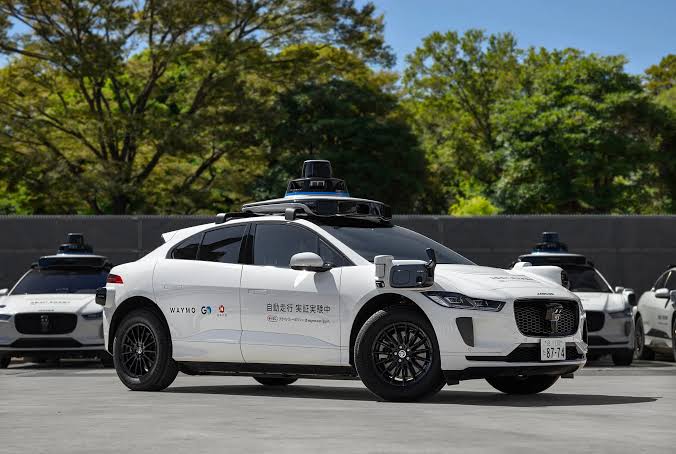
According to a report by Nikkei Asia on October 9, the Tokyo Metropolitan Police Department in Japan plans to set up a specialized department for autonomous driving in April 2027, which will be responsible for handling operating license applications and researching accident investigation methods. This will be the first department in Japan’s prefectural police specifically responsible for autonomous driving. As companies like Waymo prepare to launch self-driving taxis in Tokyo, police are also beginning to prepare for traffic accidents without a driver in the driver's seat.
This arrangement reflects that after autonomous driving enters commercial operation, the city will need to solve not only whether the vehicle can drive safely, but also who will handle it when a malfunction or accident occurs and how to find out the cause.
Japan has established an access system for L4 autonomous driving, and what Tokyo is preparing to supplement this time is execution capabilities. According to data from the Japanese Police Agency, relevant laws and regulations will be implemented in April 2023, allowing qualified vehicles to be driven unmanned under limited conditions. Operators must submit a plan to the prefectural public safety committee and obtain permission. The plan includes operating routes and accident response methods. The new department will become the docking window for enterprise applications, and the Public Security Commission will still be responsible for permit approval.
Autonomous driving also requires someone to operate it. According to Japan's current system, the operator must arrange for an operation person in charge to organize alarm, rescue and on-site disposal when an accident occurs. This means that just because the vehicle can drive itself does not mean that the company can remove manpower to deal with abnormal situations.
It is reported that Waymo announced in September this year that it would cooperate with GO, a Japanese transportation and travel platform, to launch a fully driverless commercial service in Tokyo in 2027, and then gradually expand it to about 100 vehicles. The company made it clear that launch time is subject to regulatory approvals, as well as completion of technical and operational validation.
It is worth noting that as driverless vehicles take to the road, accident investigation is a more complex test. Traditional traffic accidents usually require determining whether the driver neglected to observe and operated improperly. After a driverless vehicle collides, the investigation must also restore what the system recognized at the time, what judgment it made, and whether the vehicle was operating within permitted conditions. The behavior of surrounding vehicles, system failures and operational handling may all affect the outcome of the accident.
According to Nikkei Asia, there are still ambiguities in determining criminal liability in driverless accidents. The Tokyo police plan to deploy professional personnel and accept personnel from the Japanese National Police Agency and other local police, and work with government departments, academics and manufacturers to study investigation methods, and also support related accident investigations outside Tokyo.
This places a specific requirement on enterprises: security capabilities must be able to be verified by external investigations. To unravel a collision, investigators need to corroborate traces of the scene, road images and vehicle operation records. Therefore, whether the data can be completely saved, provided in a timely manner and understood by professionals will directly affect the cause determination. This is also a link that must be covered in operational preparation.
In addition to identifying responsibilities, it is also necessary to prevent similar accidents from happening again. Nikkei Asia said Japan's Ministry of Land, Infrastructure, Transport and Tourism plans to include major accidents involving unmanned vehicles within the scope of the Transportation Safety Board's investigation. The committee is currently responsible for investigating aviation, railway and ship accidents, focusing on identifying causes and proposing measures to prevent recurrence of accidents. If this arrangement is implemented, police investigations and professional security investigations can deal with the issues of liability determination and system improvement respectively.
Tokyo’s preparations also reflect the common threshold for global autonomous driving commercialization. When companies enter different countries and cities, they need to connect vehicle technology with local licensing systems, emergency response and accident investigation mechanisms. For the entire industry, whether safe operation, accident accountability and continuous improvement can be implemented in every operating market will directly affect the speed and scale of driverless taxi expansion.
Comments