
Abstract:
Tesla CEO Elon Musk recently said that due to the increase in global DRAM memory and NAND flash memory prices, the material costs of Tesla AI4 on-board computers have doubled. Responding to a discussion on the X platform about the computing requirements of Tesla's latest fully autonomous driving (FSD) supervisory version v15.0.1, he said, "Due to the increase in memory and storage prices, AI4 now costs twice as much as before." However, Musk did not disclose the current specific cost of AI4, nor did he explain how much the manufacturing cost was a year ago.
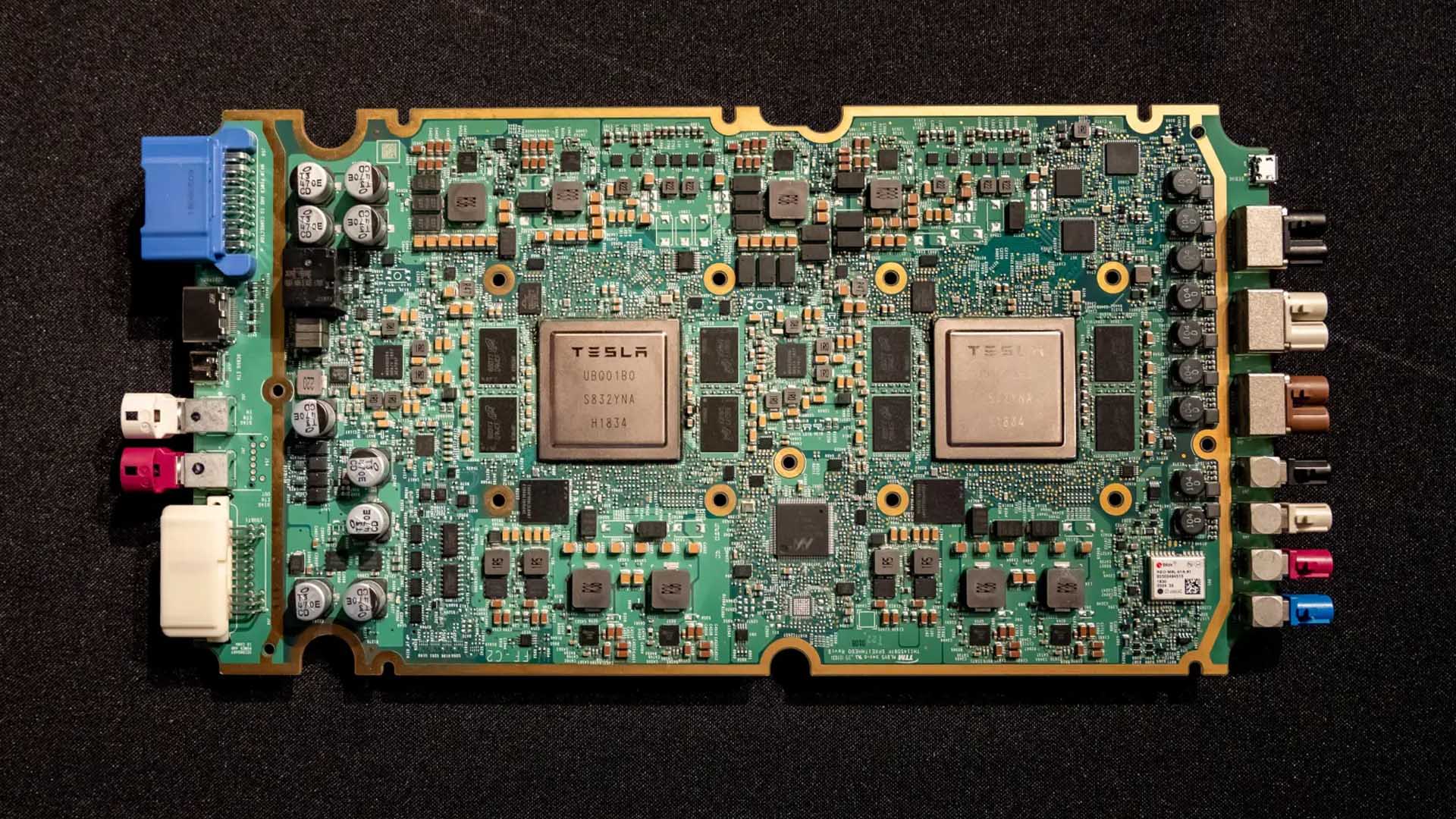
AI4, also known as Hardware 4, is the main inference computing platform for Tesla’s current models on sale and supports the first batch of FSD v15.0.1 versions. This release introduces an upgraded end-to-end neural network, as well as real-time “Reality View” driving visualization capabilities. Although Ashok Elluswamy, Tesla's head of AI software, has said that the new driving model requires less computing power to render Reality View than the previous version, the increase in DRAM and NAND prices still significantly increases the assembly cost of each on-board computer.
This statement shows that the tight supply of memory chips has not only affected large-scale computing facilities such as AI data centers, but has also begun to affect self-developed chips used by automobile manufacturers outside of data centers. Musk did not explain whether the rising costs will affect Tesla's vehicle retail price, FSD subscription fees, or future hardware upgrade plans, which makes the outside world more worried about the impact of semiconductor inflation on the automotive industry.
Market observers believe that Tesla cannot expect DRAM and storage prices to fall back in the short term. TeamGroup CEO Gerry Chen previously warned that the DRAM shortage in 2027 may be so severe that even if companies are willing to pay high funds, they may not be able to ensure supply. There are also reports that Samsung has locked almost all of its memory production capacity until 2029, and large companies such as Apple have also been forced to adjust their procurement strategies and shift to longer-term memory procurement contracts.
Musk’s statement triggered discussions among Tesla owners and industry observers on the X platform. Some believe that Tesla’s plan to advance internal chip manufacturing, including the proposed Terafab semiconductor manufacturing project, may become its long-term means of resisting external supply chain shocks. There is also concern among users about older Hardware 3 vehicles, which Tesla has previously acknowledged lack the memory bandwidth needed to support unsupervised autonomous driving. As of press time, Musk has not made any further response to the above issues.
Comments