
Abstract:
The super chip factory "Terafab" owned by Elon Musk to support his AI and space computing power blueprint has not yet been officially put into production, and it has been involved in legal disputes due to name issues. Due to a cease-and-desist infringement warning letter from an American nanotechnology company called TERA-print, Tesla, SpaceX and SpaceXAI recently formally filed a lawsuit with the U.S. District Court for the Western District of Texas, requesting the judge to rule that their use of the "Terafab" name did not infringe the company's trademark rights.
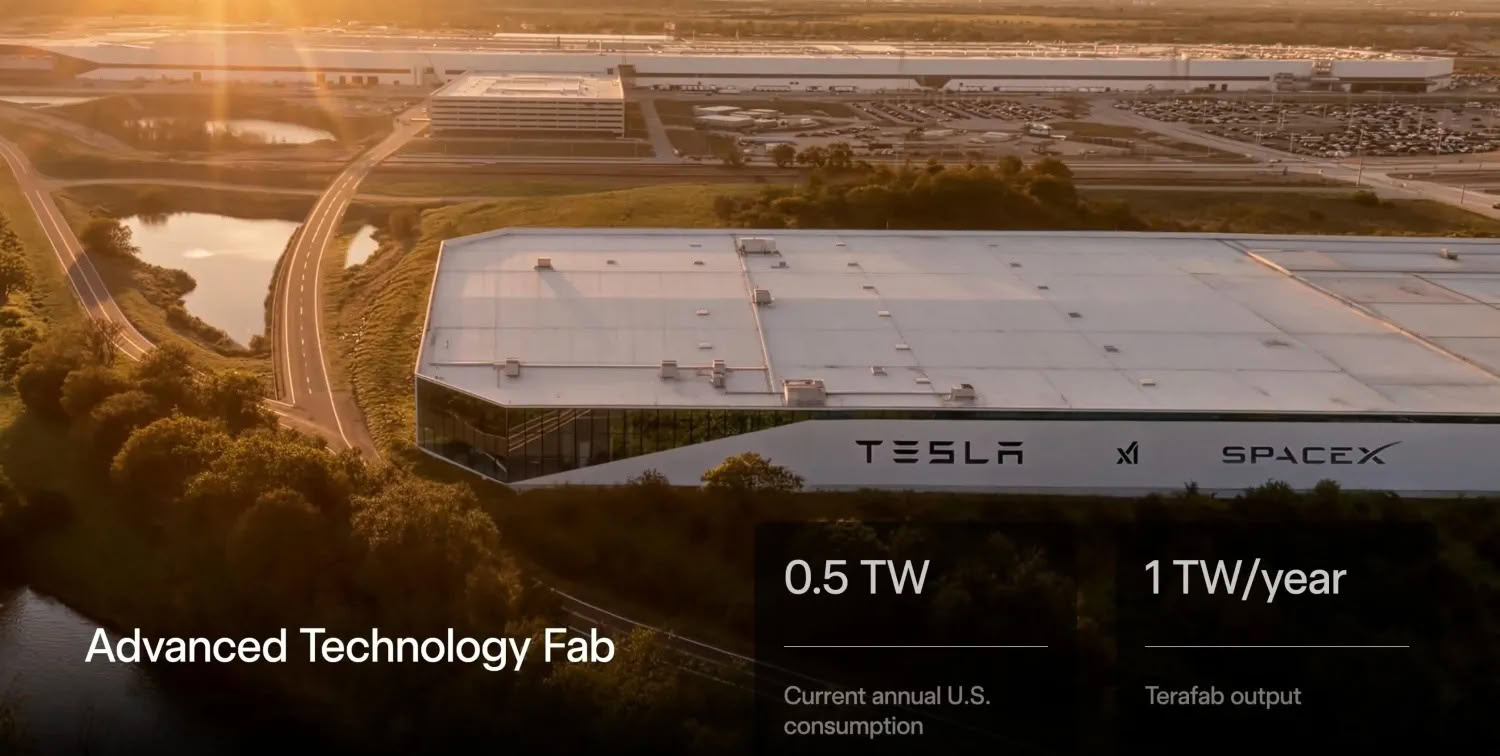
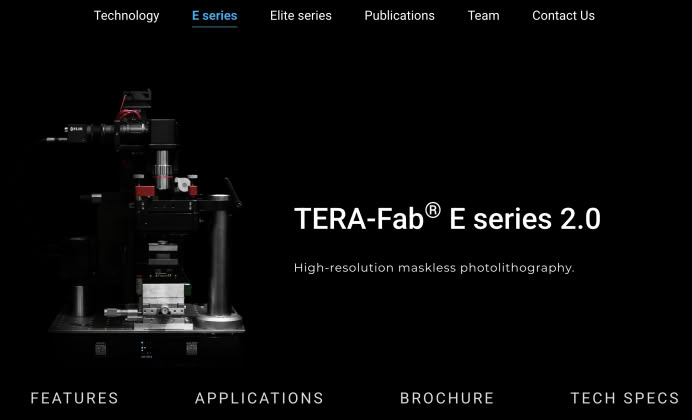
The trademark dispute centers on TERA-print, a nanotechnology company based in Illinois, USA. The company has long been selling desktop-level lithography equipment called "TERA-FAB", which is mainly used in bioengineering and microfluidic chip prototyping and scientific research laboratory scenarios, and has registered relevant trademarks. After Musk announced his ambitious "Terafab" super chip factory construction plan earlier this year and Tesla submitted a trademark application, TERA-print issued a warning letter to Musk's companies in May this year, accusing "Terafab" of being highly similar to its own "TERA-FAB" brand and easily causing consumer confusion, and threatening to file a federal trademark infringement lawsuit.
Faced with infringement accusations, Musk’s legal team chose to take the initiative. In the complaint submitted to the court, Tesla and SpaceX clearly countered that the products and market scopes involved by the two companies are fundamentally different and are in no way likely to cause confusion among relevant consumers. The complaint points out that Musk’s planned Terafab is a very large chip manufacturing base with huge investment, aiming to integrate logic chips, memory, advanced packaging and testing, and is specially used to produce high-performance computing chips needed to support artificial intelligence, humanoid robots, self-driving vehicles and space data centers; while TERA-print’s products are only desktop printing equipment for micro-nano processing in biological laboratories, and are not engaged in large-scale semiconductor manufacturing or chip design.
However, the negotiation process between the two parties was not smooth. TERA-print stated that the two parties held multiple rounds of settlement talks from June to August this year. Tesla even proposed a settlement plan and showed its willingness to continue negotiations, but in the end it suddenly chose to push the dispute to court. TERA-print responded that Musk's companies "ran to the court to seek immunity" while negotiating with the other party. The company will fully protect its legal trademark rights and accuses Tesla and other companies of infringing on its registered trademarks that are highly relevant in the field.
Industry legal experts pointed out that such trademark confirmation lawsuits (Declaratory Judgment) involving cutting-edge technology fields are not uncommon in large-scale technology projects. Since the initial investment scale of the Terafab project reaches tens of billions of dollars, and the total subsequent investment may further increase, Musk's companies must eliminate potential legal shadows and brand uncertainty before the project is fully launched. The case has now entered the judicial process, and the court's final ruling will directly determine whether Musk can retain the name "Terafab" for his super factory that will reshape the semiconductor industry.
Comments