
Abstract:
Samsung Electronics has launched trial production at its Tyler wafer foundry in Texas, USA, in order to supply artificial intelligence chips to Tesla. The Taylor factory was originally planned to be officially put into production around November. However, as the demand for AI chips from major technology companies has increased significantly, Samsung started trial production in advance to verify the yield rate. The company plans to complete mass production verification before the end of the year and officially supply products from next year to expand its influence in the foundry market.
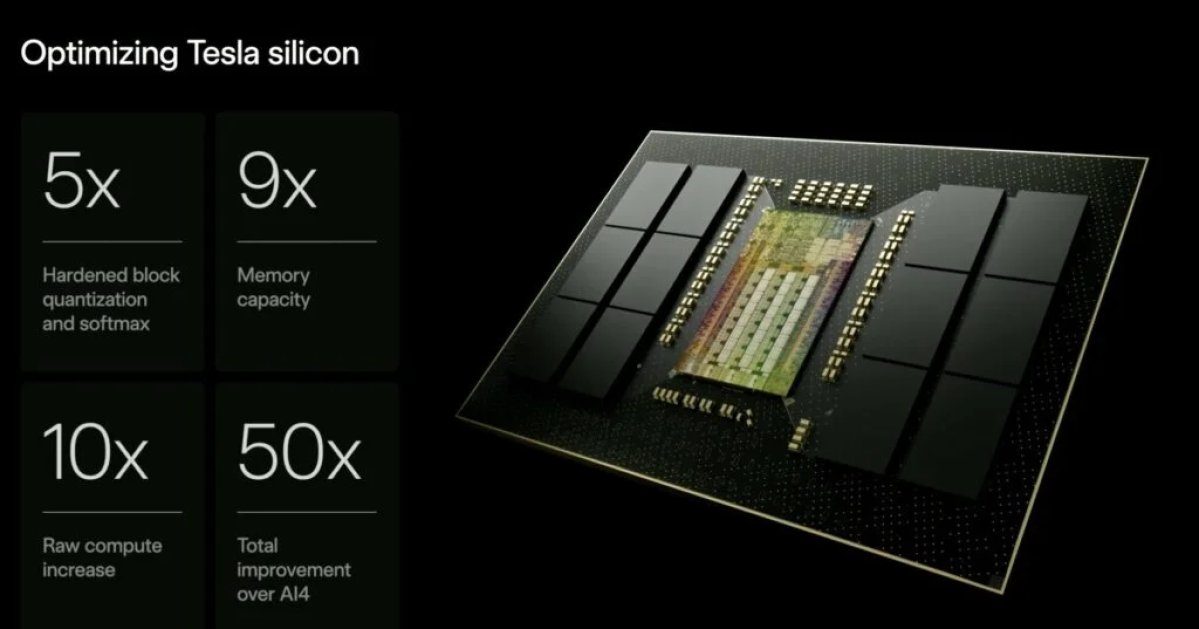
It is reported that Samsung Electronics’ Taylor factory has recently started wafer production based on the 2-nanometer process and entered the trial production stage of AI5 chips. Some of the factory's production lines will start producing and supplying Tesla's AI5 chips next year, and will carry out final mass production verification work.
Samsung Electronics held a local equipment roll-out ceremony in April this year, and completed the "tape-out" of semiconductor design and delivery of wafer manufacturing in July. It is reported that in response to the surge in AI chip orders, Samsung has advanced its trial production schedule. The foundry production lines of Huaxing and Pyeongtaek Park, which are responsible for advanced 2~4 nanometer processes, are operating at full capacity, so the Taylor factory is speeding up product production.
The customer who prompted the Taylor factory to start production ahead of schedule was Tesla. Samsung signed a semiconductor supply agreement worth US$16.5 billion (approximately 22 trillion won) with Tesla last year. The core product of the Taylor factory is Tesla's next-generation AI5 chip. Tesla is accelerating the layout of fully autonomous driving, robotics and AI data center business. It is reported that it requires the expansion of AI5 chip production as soon as possible. The chip will be used in Model 3, Model Y and other electric vehicles, Robotaxi (Cybercab), humanoid robot Optimus and AI data center and other products.
Industry opinion believes that starting from this trial production, the Taylor factory will quickly enter the mass production system. Market forecasts indicate that Samsung is expected to complete yield verification by the end of the year and enter the final mass production stage to supply AI5 chips to Tesla.
With the official start of production of the Taylor factory, Samsung Electronics has also begun preparations for the construction of the second Taylor factory, with the goal of starting construction at the end of this year. Industry speculation suggests that the second factory, which is expected to be put into production in 2030, may introduce the next generation 1.4nm process.
The expansion of Taylor factory’s production capacity is in line with Samsung’s strategy of strengthening its foundry business. Industry leader TSMC has received a large number of AI chip orders, and its advanced process production capacity has basically been exhausted. Samsung plans to seize this opportunity and rely on the Taylor factory to start production ahead of schedule to steadily accept Tesla orders while continuing to expand new customers. If the capacity utilization rate of the Taylor factory increases rapidly, the foundry business unit's turnaround time is expected to advance.
Comments