
Abstract:
Piper Sandler, an internationally renowned investment bank, disclosed in its latest research report that Intel Foundry’s top advanced process, the 14A (1.4 nanometer level) technology node, is currently undergoing evaluation by many of the world’s top technology and chip giants, including Amazon, Apple, AMD, Google, Tesla, Microsoft, Nvidia and Qualcomm.
This breakthrough trend marks a key node in Intel's strategy to revitalize its foundry business, and may have a profound impact on the global advanced process foundry market that has long been dominated by TSMC.
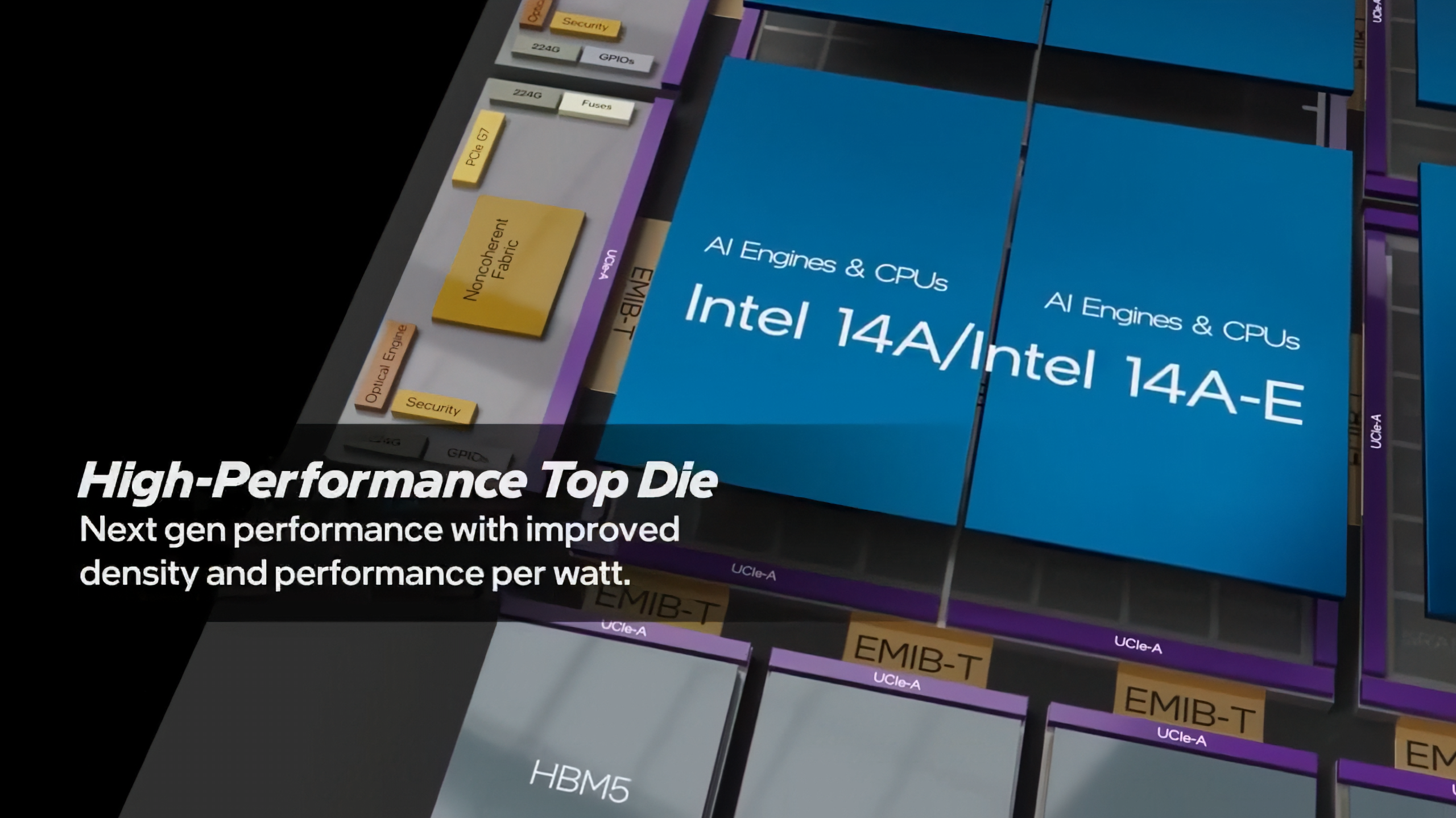
As Intel's flagship technology platform to promote the "IDM 2.0" strategy, the 14A process node is regarded as Intel's core trump card in its head-to-head competition with TSMC's A16 and 1.4nm platforms in the post-2nm era. The process fully integrates the second-generation RibbonFET gate-all-around (GAA) transistor technology, PowerDirect direct-connect power supply architecture, and relies heavily on high-numerical aperture extreme ultraviolet lithography machines (High-NA EUV) for production. Official performance parameters show that compared to the 18A node that is about to be mass-produced, the 14A process can reduce power consumption by 25% to 35% while achieving a 15% to 20% performance improvement per watt and a 30% logic density gain.
Piper Sandler's analysis report pointed out that as the global demand for large-scale artificial intelligence model calculations explodes, the demand for advanced process wafer production capacity by computing power giants has reached unprecedented heights. However, the fragility of the supply chain that relies too much on a single foundry giant has become increasingly prominent, prompting major technology companies to urgently seek "secondary supply sources" to spread geopolitical risks and lock in production capacity. Intel recently opened the 14A process design kit (PDK) to potential customers and promised to use this technology node simultaneously for the production of its own core products, which has significantly improved external customers' confidence in the platform's yield and delivery capabilities.
In the evaluation list exposed this time, the potential cooperation entry points of each giant have their own characteristics. For example, Nvidia and AMD are evaluating the use of the 14A process to provide production capacity support for their next-generation server-class CPUs and AI accelerator cards; cloud giants such as Amazon, Google, and Microsoft intend to transfer or offload their self-developed AI chips (such as TPUs and custom computing processors) to Intel production lines; and companies such as Tesla and Qualcomm are also closely tracking the energy efficiency performance of this node to prepare for future iterations of autonomous driving chips and mobile platforms.
Semiconductor industry observers pointed out that although it still requires a long and rigorous technical verification cycle from initial assessment to signing a definitive foundry agreement and formal order placement, almost all leading chip buyers, including Apple and Nvidia, have simultaneously evaluated Intel 14A, which itself has released a very strong market signal. As Intel gradually overcomes the challenges of early yield ramping and advances trial production as planned, a new order of global advanced process foundry dual-core and even multi-polar competition is accelerating to take shape.
Comments