Recently, Brain Tiger Technology announced that with the support of Tianqiao Brain Science Research Institute, Huashan Hospital affiliated to Fudan University, Brain Tiger Technology and Shanghai Microsystems have achieved another important breakthrough in the high-precision real-time motion decoding clinical trial——A 19-year-old patient with right frontal lobe epilepsy was successfully implanted with a 256-channel flexible brain-computer interface independently developed by Brain Tiger Technology.
The patient recovered well after the operation and successfully entered the clinical trial two days later.
According to reports, through a total of 19.87 hours of classic paradigm training such as Center-out and WebGrid,The subjects achieved precise brain control operations on the classic games "Pac-Man" and "Tank Battle" and the large and complex games "Honor of Kings" and "Black Myth: Wukong".
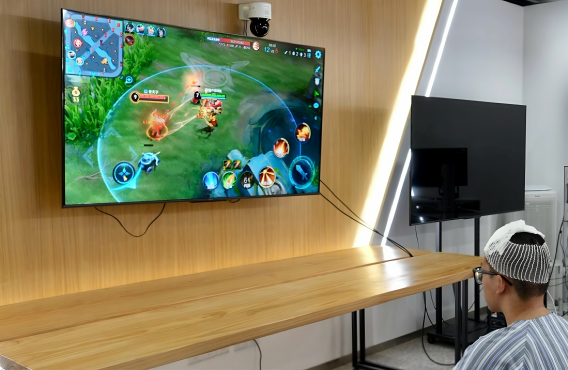
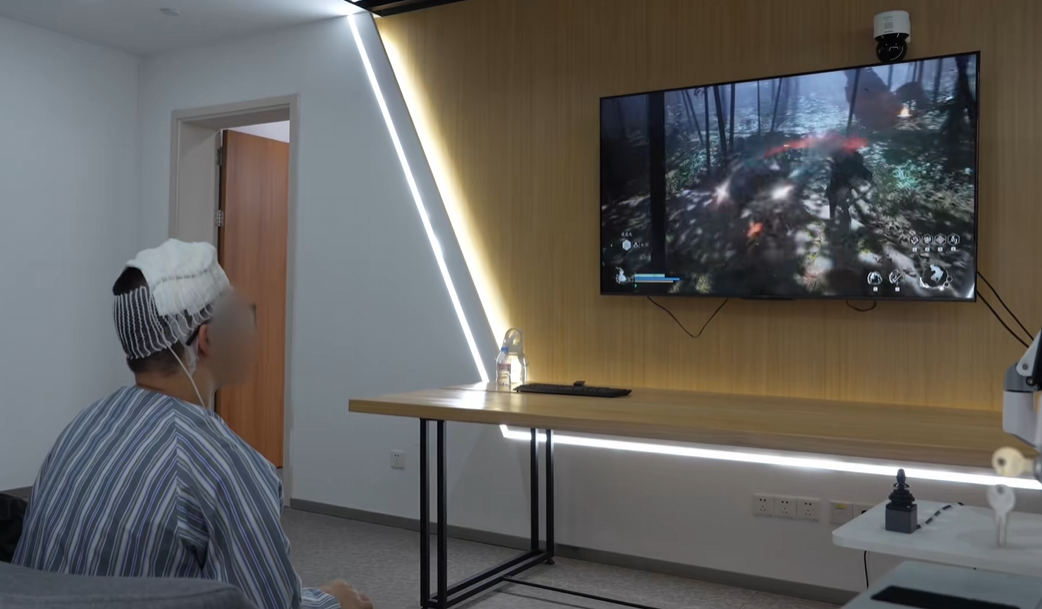
also,Based on the XessOS brain-computer operating system self-developed by Naohu Technology, subjects can smoothly surf the Internet and operate various apps, control smart wheelchairs and smart home equipment (lights, curtains, etc.) through their thoughts.Significantly improve the independent living ability of people with motor dysfunction.
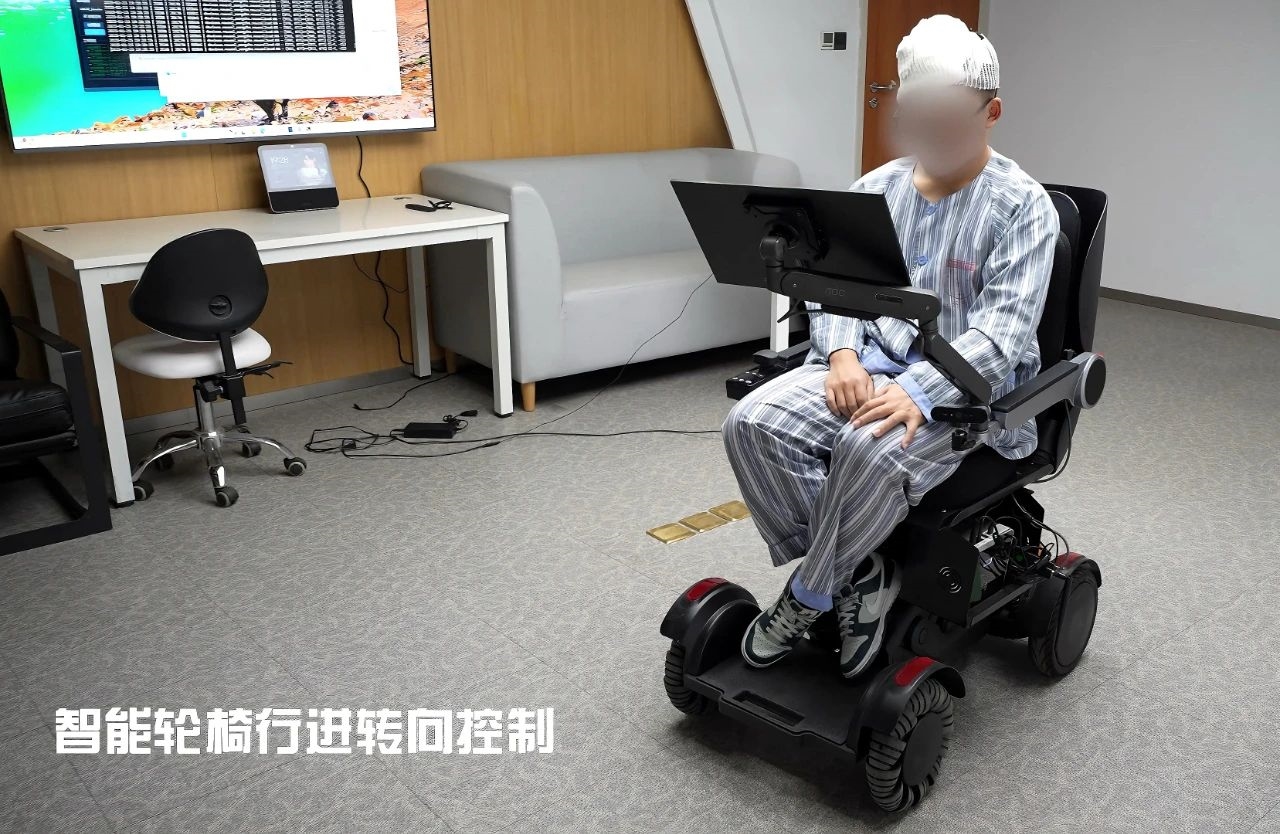
During the training process, the classic center-out experimental paradigm was used to calibrate the decoding model: through the position-velocity Kalman filter algorithm, the 256-channel cortical electroencephalogram signal (ECoG) was decoded into cursor speed instructions in real time, allowing subjects to quickly master the control ability of the closed-loop neural cursor.
After training,The subject's cursor brain control performance under the enhanced user interface reached 4.07 bits/second, which is close to the computer control level of a simulated mouse.
Peng Lei, CEO of Brain Tiger Technology, said to the subjects: "You are the first young person in China to achieve 100% brain control of the mouse."
It is understood that the core of XessOS lies in the high-throughput EEG signal real-time motion decoding algorithm and open plug-in architecture. The system integrates real-time EEG signal decoding and interactive enhancement dual engines, and accurately converts it into computer control instructions through millisecond-level feature extraction and movement intention analysis.
It is also equipped with an efficient deep learning model and training paradigm, which can achieve daily self-optimization based on the user's EEG characteristics, effectively overcoming the problem of neural signal drift.