Although AMD and Intel's new generation graphics cards have only just begun to go on sale in the past few months, both CPU giants seem to have begun the development of new generation GPUs. The recent hot sales of new graphics cards may push AMD and Intel to invest more resources in GPU development.
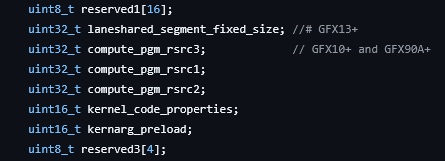
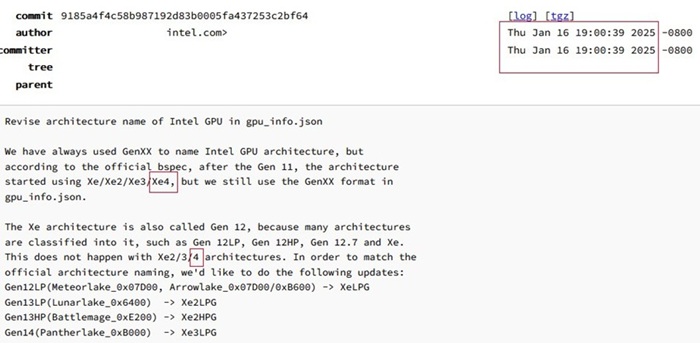
According to VideoCardz, some netizens recently discovered Intel Druid and AMD "GFX13" (RDNA 4 is GFX12) in the Git code base, which means that the corresponding Xe4-HPG and UDNA have entered the early stages of development. However, other than that, no more detailed information was found.
The current Ruixuan B580 and B570 use GPUs based on the Xe2-HPG architecture, codenamed "Battlemage", followed by "Celestial" and "Druid", corresponding to the Xe3-HPG and Xe4-HPG architectures respectively. Like Battlemage, neither Celestial nor Druid is rumored to appear in laptops with discrete graphics cards. Among them, Celestial is expected to be unveiled from the end of 2025 to early 2026, and will be first used in the core display used by Panther Lake.
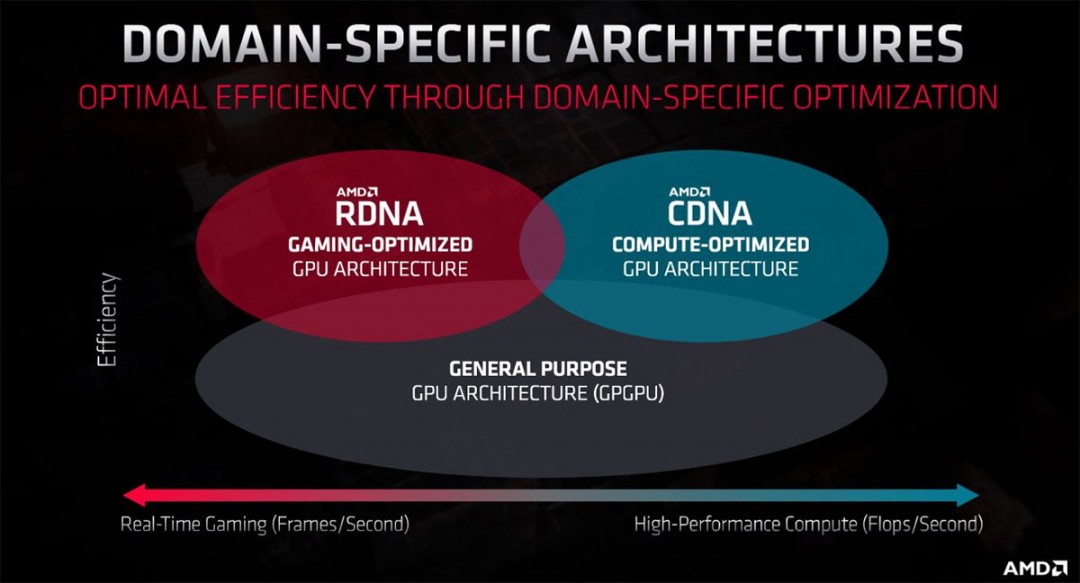
At IFA 2024 held in Berlin, Germany last year, Jack Huynh, AMD's senior vice president and general manager of the computing and graphics division, confirmed that the consumer-oriented RDNA and data center-oriented CDNA architecture will be unified into the UDNA architecture in the future. AMD simplifies the architecture so that developers only need to focus on one system to better cope with Nvidia's CUDA ecosystem.
According to previous statements, there will be no RDNA 5 architecture next, and AMD will move to the UDNA architecture after RDNA 4. Both Radoen gaming graphics cards and Instinct computing cards will use the same UDNA, and use an ALU design similar to GCN in architecture. The first gaming GPU based on the UDNA architecture is tentatively scheduled to enter mass production in the second quarter of 2026. The SoC chip used in Sony's next-generation PlayStation 6 game console, the GPU part belongs to the branch of "GFX13".