Researchers have found that one of the most common amino acids keeps the retina thick and healthy. The discovery holds promise for combating vision loss and blindness through this newly discovered metabolic pathway. The retina is located at the back of the eye and converts visual information received through the cornea into electrical signals that are sent to the brain via the optic nerve. These electrical signals are interpreted in the visual cortex of the brain and ultimately transformed into objects that we can recognize.
The retina is made up of a series of photoreceptor cells, commonly known as rods and cones. Photoreceptor cells are extremely energy-consuming cells, requiring large amounts of energy to maintain their functions and keep themselves running. When they die from aging or disease, the retina begins to thin, causing vision loss and eventually blindness.
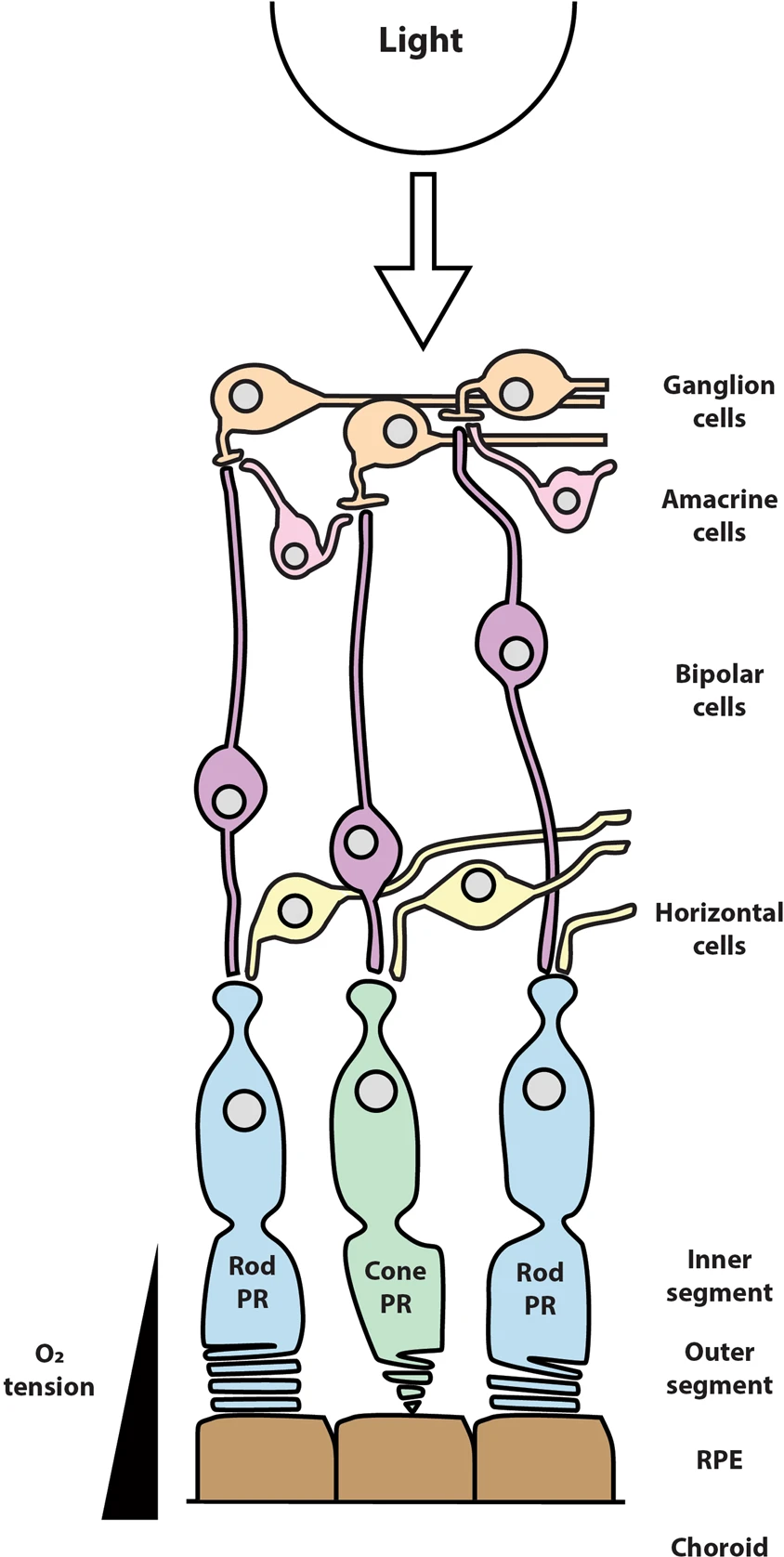
Traditionally, researchers have focused on studying how photoreceptors use glucose for energy, such as the ACOORD eye study, which examined how tight control of blood sugar and blood pressure affects retinopathy in people with type 2 diabetes.
But because retinal cells require a lot of metabolic support, University of Michigan researchers decided to explore whether there were other compounds related to retinal cell health. They turned to the amino acid glutamine because it is the most abundant amino acid in the blood. Glutamine is synthesized naturally in the body and can also be obtained from all animal protein sources as well as nuts, grains, legumes and vegetables including spinach and cabbage (yes, carrots have some too).
To test glutamine's role in vision health, researchers used genetically modified mice that lack glutaminase, an enzyme that converts glutamine into the amino acid and neurotransmitter glutamate. Sure enough, compared with controls with intact glutaminase, the test mice's retinas rapidly thinned, corresponding to the loss of photoreceptors.
After further study, the researchers discovered that reduced glutamate damages retinal cells in two ways.
First, because limiting glutaminase intake also results in a decrease in the amino acid aspartate, cells are unable to synthesize the proteins they need to function properly. Second, the retinal cells of the experimental mice experienced a prolonged integrated stress response, a process by which cells maintain homeostasis when faced with various stresses. Studies have shown that if the integrated stress response continues for too long, it can lead to cell death, as was the case in this study. When this stress response was blocked, retinal thickness was restored.
The researchers hope their findings can be applied to humans.
"We are now focused on understanding which pathways are dependent on glutamine and whether they can be targeted with drugs or supplements," said study co-author Thomas Wubben. "In human retinal disease models, the glutamine-to-glutamate conversion pathway is negatively affected. Resetting metabolism may help prevent vision loss and blindness."
The research has been published in the journal Biology Communications.