On November 19, according to the New York Times, in Silicon Valley, CEOs of large technology companies have been observing an unwritten rule in recent years: not to spend huge sums of money to annex competitors. For them, acquiring even the most obscure startup can attract unwanted regulatory attention.
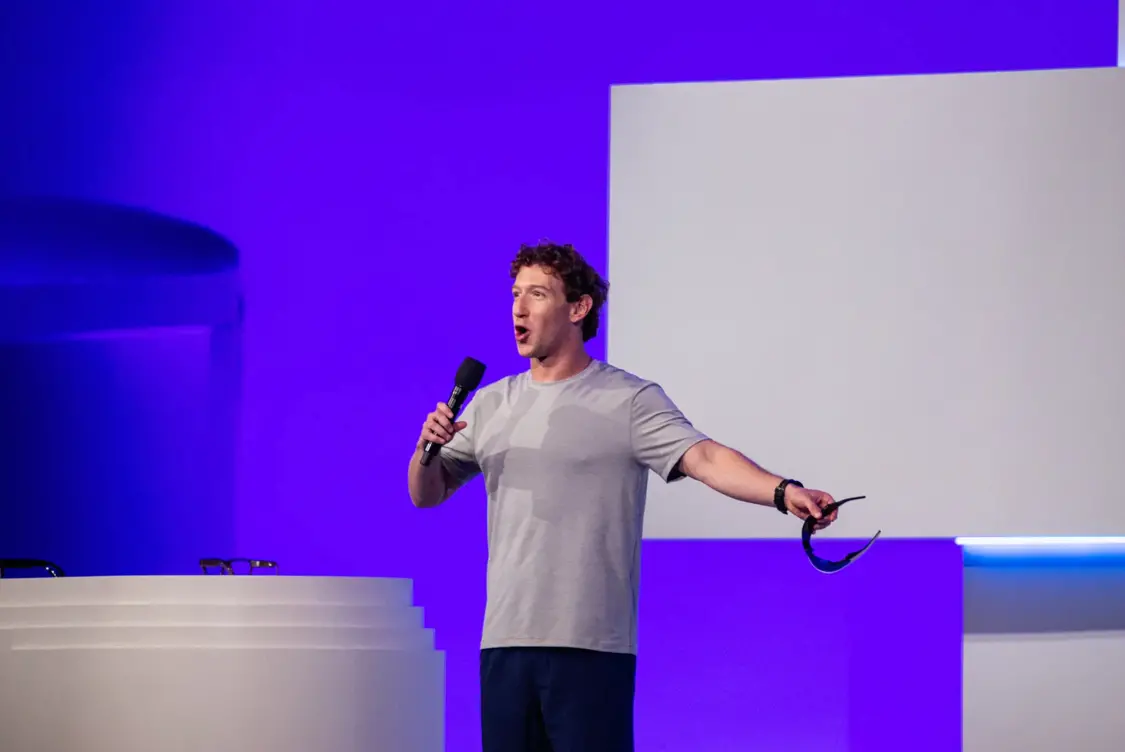
Zuckerberg wins key lawsuit
After this week, however, that tacit understanding may no longer exist.
A U.S. federal judge ruled on Tuesday that Meta did not illegally stifle competition when it acquired two emerging rivals, Instagram and WhatsApp, more than a decade ago.The ruling is an overall victory for Meta and Silicon Valley, because Silicon Valley has always relied on the strategy of large companies acquiring small companies to drive the innovation engine.
Now, Meta CEO Mark Zuckerberg (Mark Zuckerberg) and the leaders of technology giants such as Google and Microsoft may be able to regain their leadership position by acquiring emerging startups. The ruling comes at a perfect time, as the technology industry invests billions of dollars in competing in the field of artificial intelligence.
Tomasz Tunguz, general partner at venture capital firm Theory Ventures, said the antitrust ruling against Meta“It will eliminate all the roundabout ways that large acquirers use to avoid regulation and open the door to more transactions.”
Regarding whether the acquisition plan will be restarted,Meta declined to comment.Jennifer Newstead, the company's chief legal officer, said the judge's ruling "recognizes the intense competition Meta faces." She added,The company will continue to work with the White House "and continue to invest in America."
Silicon Valley Acquisition Tradition
Acquiring startups has long been a core part of the Silicon Valley ecosystem. Venture capital firms invest in young companies in the hope that they will emerge as success stories like Google, Meta or Uber. Even if they fail to become giants, these startups still have unique value to large companies, whether it is new talent, innovative ideas or cutting-edge products.
For years, tech giants have often been willing to pay a premium to gobble up potential rivals. In 2006, Google acquired YouTube for $1.65 billion, which was considered a sky-high deal at the time. Today, analysts expect YouTube to be valued at about $500 billion.
Google also acquired Android, the foundation of the mobile operating system, for $50 million in 2005 and mapping startup Waze in 2013 for just over $1 billion. Now, Android and Waze have become the core of Google's product system.
At the same time, Meta acquired Instagram, WhatsApp and other small startups. These services are now an important part of Meta's product portfolio, with billions of users. Zuckerberg tried to acquire Snapchat but ultimately failed.
New acquisition model under regulation
But in the past decade, such transactions have cooled significantly. Since President Biden appointed Lina Khan as chairperson of the U.S. Federal Trade Commission in 2021, the agency has adopted a tougher strategy on technology company acquisitions. At the same time, the U.S. Department of Justice also launched anti-competitive behavior investigations into Amazon, Apple and Google.
Tech giants are being forced to look elsewhere. Many companies are beginning to make “non-physical” acquisitions, often referred to as"Talent Acquisition", meaning companies spend millions of dollars just to recruit top talent for a startup rather than acquire the entire company,This has resulted in Silicon Valley being filled with “zombie companies” that have had their souls sucked out of them.

Zuckerberg uses talent acquisition to poach Wang Tao
In the AI craze, this "as long as the team does not want the company" transaction model is particularly prominent. In June this year, Meta spent US$14.9 billion to acquire a 49% stake in the data annotation startup ScaleAI, and recruited its CEO Alexandr Wang to serve as Meta's chief artificial intelligence officer. After Meta's investment, ScaleAI quickly laid off its employees, and a small number of its AI researchers followed Wang Tao to join Meta. ScaleAI is still operating, but has lost its founders, core employees, and some of its original customers.
In July this year, Google spent $2.4 billion to poach the leadership team of another AI startup, Windsurf. As part of the deal, Google also paid for a non-exclusive license to Windsurf technology. Last year, Google, Microsoft and Amazon reached similar agreements with startups such as Character.AI, Inflection and Adept.
Over time, these “talent acquisitions” harm the startup ecosystem because they reduce the equity value of young companies and only benefit a few, said Tom Guzi, general partner at Theory Ventures. "It breaks the social contract in Silicon Valley, which is that everyone should benefit," Tunguz said.
turning point
Since President Trump took office, tech companies have been hoping regulators will be more friendly on mergers and acquisitions. Venky Ganesan, a partner at venture capital firm Menlo Ventures, said Tuesday's ruling in the Meta antitrust case will help achieve that goal.
"Most people are most relieved to have clarity. The technology market hates uncertainty the most," he said.
Samuel N. Weinstein, a professor of law at the Benjamin Cardozo School of Law, added that technology companies may no longer need to resort to strange deal structures to acquire hot AI assets.
“Looking at this ruling and the overall stance of the Trump administration, companies may think, ‘We don’t need to hide our transaction intentions anymore,’” he said.