Samsung is accelerating to increase the production capacity of 1cnm DRAM to seize the opportunity of the HBM4 market.According to the plan, its goal is to increase monthly production capacity to 140,000 wafers in the second quarter of 2026, and further increase to 200,000 wafers per month in the fourth quarter. These nodes correspond to equipment setup stages, with the goal of achieving mass production readiness at each stage.
at present,Samsung's total DRAM production capacity is approximately 650,000 to 700,000 wafers per month. This means that the latest 1cnm DRAM production capacity will reach about 30% of the total production capacity in a short period of time,Its production increase rate has exceeded the expansion scale of 130,000 wafers per month during the semiconductor boom in 2022.
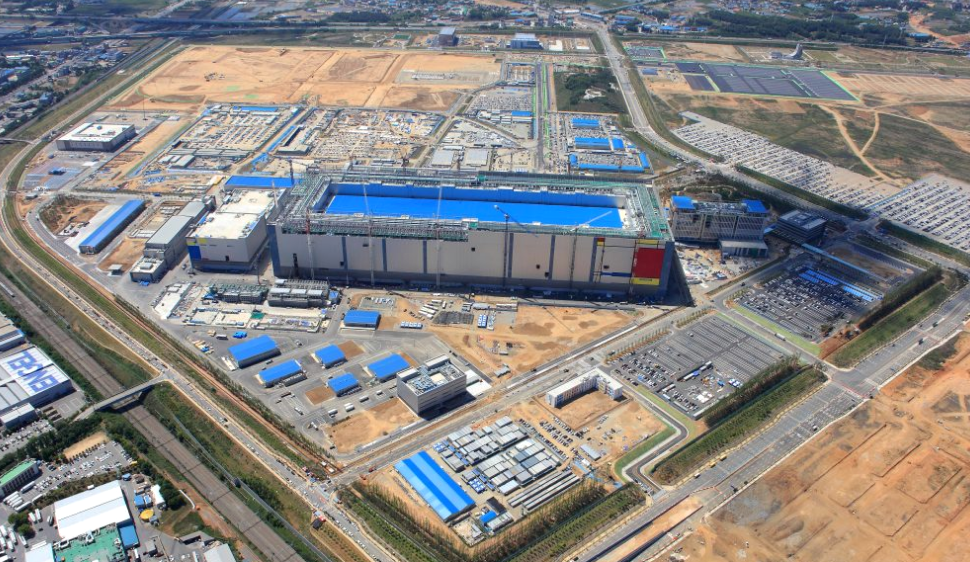
In order to achieve this goal, Samsung on the one hand achieved the transition through technological transformation of the existing DRAM production line, and on the other hand relied on new investments in the P4 factory in Pyeongtaek.
This active expansion of production reflects Samsung’s high confidence in 1cnm DRAM technology and market demand. Under the strong demand driven by artificial intelligence, the DRAM market has been in short supply recently.
Facing the same opportunity, competitor SK Hynix also plans to start mass production of 1cnm DRAM in 2025 and put it into full production in 2026. It is expected that by the end of 2026, more than half of its domestic general DRAM production in South Korea will come from the 1cnm process, and a complete 1cnm product lineup including LPDDR and GDDR will be formed.