Key White House officials are urging lawmakers on Capitol Hill to exclude restrictions on the export of AI chips to China from the annual defense policy bill. If the GAIN AI Act fails to make it into the final version of the National Defense Authorization Act, Nvidia will be the biggest winner.
White House AI Affairs Director David Sacks has previously led the push to withdraw the bill, and has now received support from the White House Legislative Affairs Office, making the possibility of the bill being included in must-pass defense legislation almost zero. Congress is still negotiating specific provisions of the annual defense policy bill, and the language has not yet been finalized.
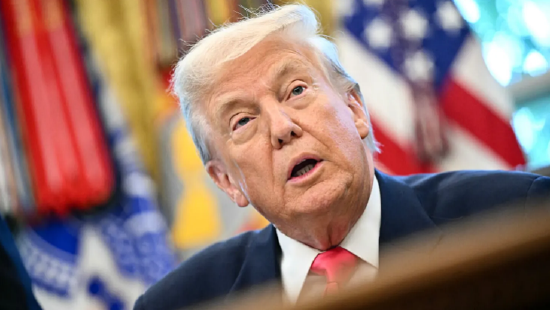
According to sources, White House officials have recently called key members of Congress, including House Majority Leader Steve Scalise, urging them to oppose the bill. The bill requires chip companies to first meet the purchasing needs of U.S. customers before exporting to "countries of concern" such as China. At the same time, the bill provides certain export license exemptions for "credible" entities. Recently, some bill amendments have been welcomed by companies such as Amazon and Microsoft.
Neither the sponsor of the bill, Republican Senator Jim Banks of Indiana, nor the White House responded.
Nvidia CEO Jensen Huang has been firmly pushing to enter the Chinese market and has successfully convinced some core White House officials that serving the Chinese market is beneficial to American companies. Previously, Huang Renxun had requested President Trump to mention AI chip export-related matters when meeting with Chinese President Xi Jinping, but the request triggered an internal dispute within the White House and was ultimately rejected.
Currently, negotiators from the House of Representatives and the Senate are working hard to finalize the annual defense policy bill. Each house plans to review the bill in December and strive to complete the final text before Thanksgiving.