Google has upgraded its image generation model and launched a new generation of Nano Banana Pro, which has enhanced image editing capabilities, higher resolution, more accurate text rendering, and online search.

This new model is based on Gemini 3, the latest large language model released by Google earlier this week. Google said that compared with the previous generation Nano Banana, Nano Banana Pro can generate more detailed pictures and more accurate text, and supports the generation of text content in different styles, fonts and languages.
An example image shown by Google shows that Nano Banana Pro can generate an infographic on how to make cardamom milk tea (elaichi chai).
It is worth mentioning that the new model has web search capabilities. Users can let it search for recipes online first, and then generate learning cards and other content based on the search results.
Google said that Nano Banana Pro is more geared towards professional users, emphasizing fine control of images. Users can adjust many parameters such as camera angle, scene lighting, depth of field, focus and color grading. Nano Banana Pro supports the generation of 2K or 4K resolution images, compared to the previous generation Nano Banana's maximum resolution limit of 1024×1024 pixels.
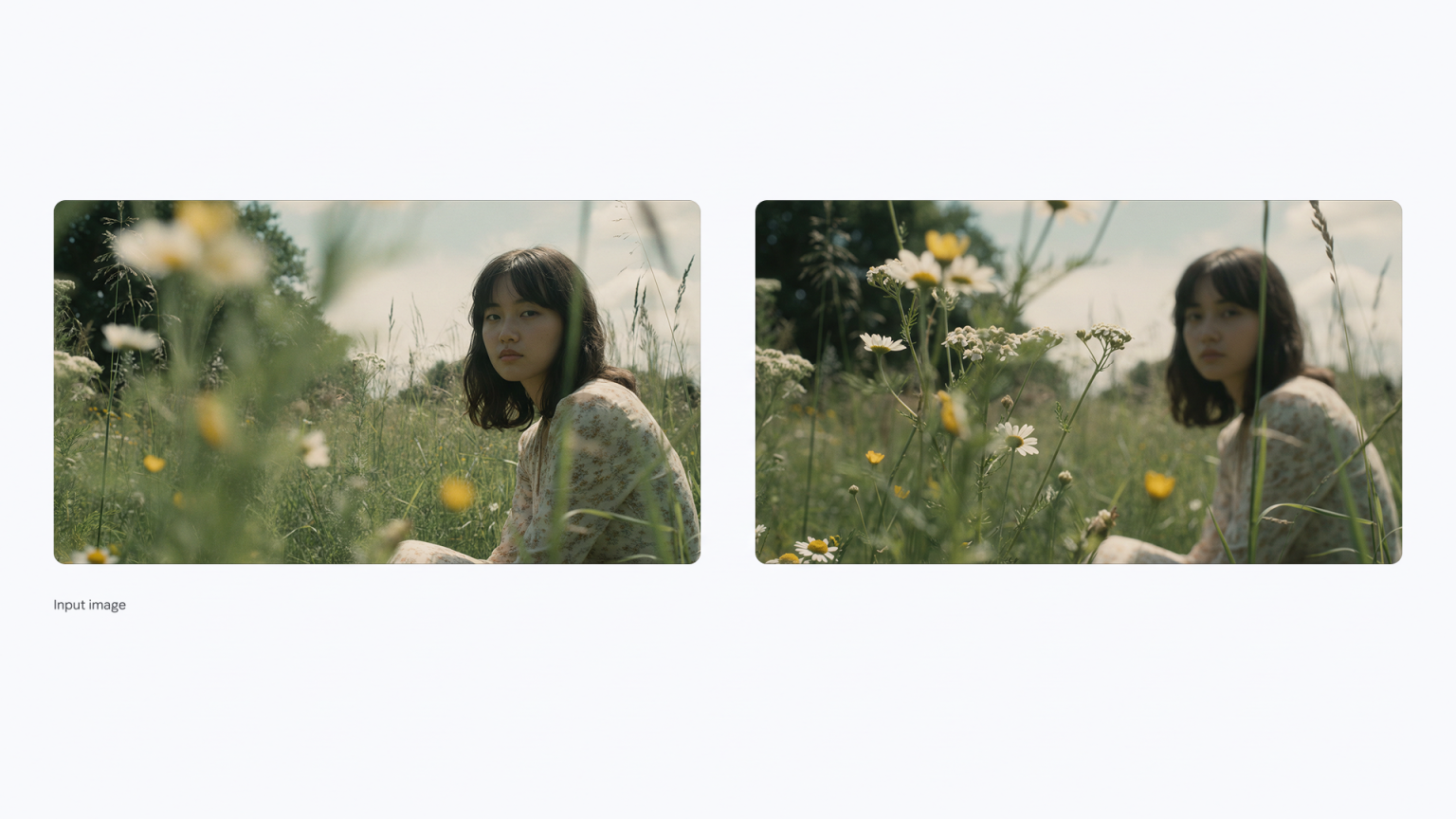
However, Google also pointed out that while providing higher-quality images, Nano Banana Pro is slower to generate and more expensive than its predecessor. Previously, Nano Banana cost $0.039 to produce a 1024-pixel image, while Nano Banana Pro cost $0.139 to produce a 1080p or 2K image, and $0.24 to produce a 4K image.
In terms of generative capabilities, the new model can generate from up to 6 high-fidelity photos, or fuse up to 14 objects in the same image. At the same time, it can maintain the consistency and similarity of up to 5 characters in the frame. Google has launched a demo application where users can experience these features.
In terms of product integration, Nano Banana Pro is gradually integrating with Google’s existing AI tools. The Gemini application will use this new model for image generation by default. However, free subscribers can use Nano Banana Pro to generate a limited number of images. Once the limit is exceeded, it will automatically switch back to the original Nano Banana model.
Paid Google AI Plus, Pro and Ultra subscribers will receive higher generation quotas, but Google did not disclose specific caps. These subscribers can also call the model in Notebook LM.
In addition, Google will also provide Nano Banana Pro support in "AI mode" to AI Pro and Ultra subscribers in the United States in its search products. Ultra users can also call the model in the company's video tool Flow; enterprise Workspace customers can use Nano Banana Pro in Google Slides and Vids.
For developers, Nano Banana Pro can be accessed and called through the Gemini API, Google AI Studio, and Google's new integrated development environment (IDE) Antigravity.
In terms of security and identification, Google announced that it will integrate its AI image watermarking technology SynthID into the Gemini application. Users can upload images, and the chatbot determines whether the image was generated by or modified by Google's image model.
Google has not disclosed whether it plans to support other AI watermarking standards such as C2PA.