Chinese self-driving technology company Pony.ai announced on Tuesday that it plans to triple the size of its global Robotaxi fleet by the end of next year. There are currently about 961 self-driving taxis in the Pony.ai fleet. In its latest third-quarter financial report, the company set a goal of reaching 1,000 units by the end of the year, and strives to "surpass" 3,000 units by the end of 2026.
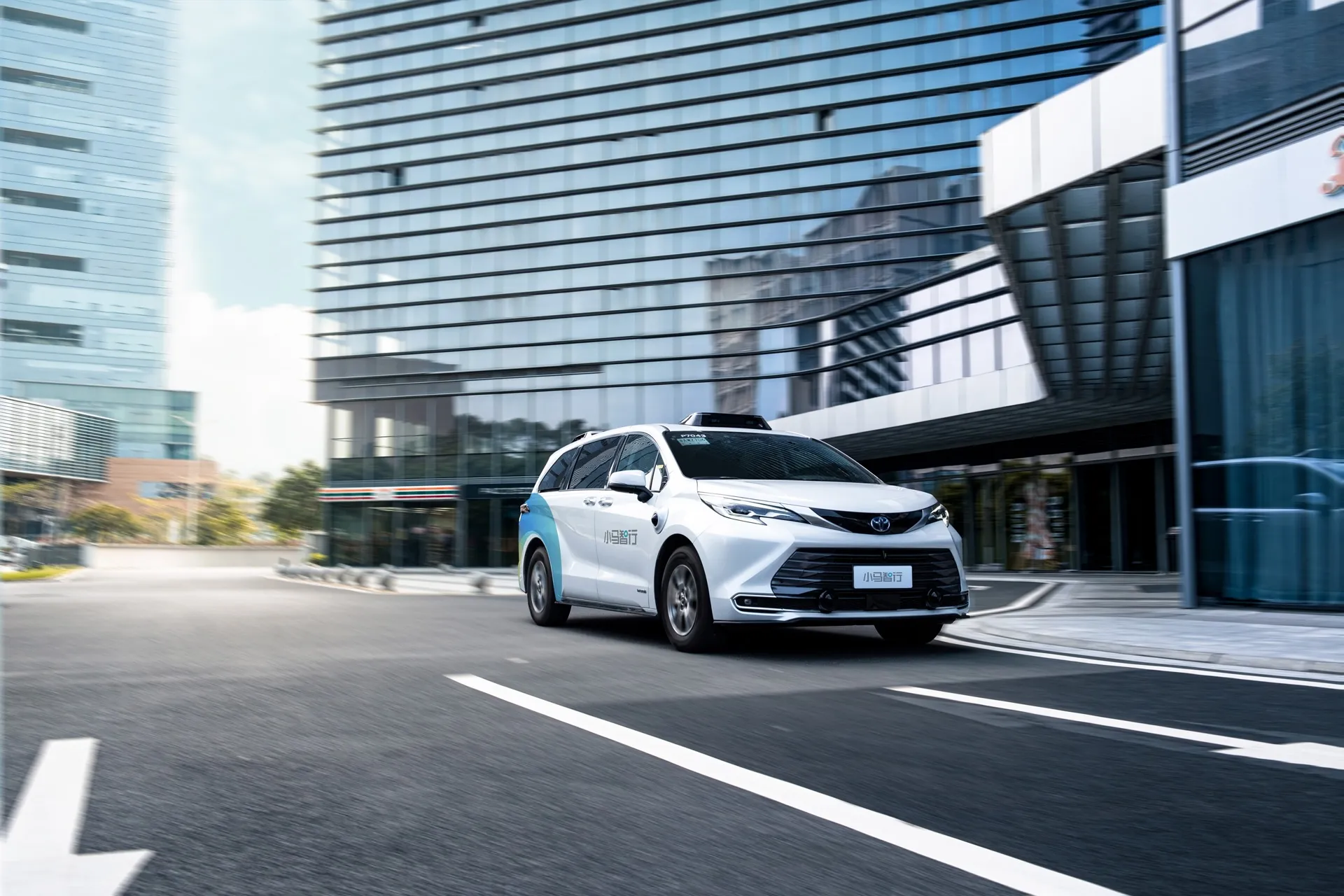
As a company listed on Nasdaq and the Hong Kong Stock Exchange, Pony.ai has significantly advanced its commercial operations this year. At present, the company has officially launched Robotaxi commercial services in cities such as Beijing, Shanghai, Guangzhou and Shenzhen, which charges passengers.
Pony.ai’s goals are not limited to the Chinese market. The company also plans to expand its business to eight countries, including Qatar and Singapore, by cooperating with local companies and taxi-hailing platforms Bolt and Uber.
The expansion of Robotaxi services not only boosts the company's revenue, but also increases costs. In the third quarter, the company achieved revenue of US$25.4 million, a year-on-year increase of 72% (compared to US$14.8 million in the same period last year). After the financial report news came out, Pony.ai's share price rose by more than 6% on Nasdaq.
Pony.ai said revenue growth mainly came from Robotaxi services and licensing its technology to other companies. The Guangzhou-based company earned $6.7 million in revenue in the third quarter from its Robotaxi service, $10.2 million from its self-driving truck (Robotruck), and $8.6 million from technology licensing and application fees.
But the company's expenses still exceeded revenue, with a net loss of $61.6 million in the third quarter, an increase of 46% year-on-year. As of September 30, the company had cash and equivalents and short-term investments totaling US$587.7 million, down from US$747.7 million in the second quarter. The company said half of the decrease was due to one-time cash expenditures, including investments in a joint venture with Toyota to support the production and deployment of its seventh-generation self-driving models.