The Tactical Technology Office under the U.S. Defense Advanced Research Projects Agency (DARPA) announced the launch of the "Lift Challenge" with a total prize of $6.5 million. The goal is to promote a qualitative leap in the load capacity of small UAVs. The project calls for the development of small rotary-wing drones capable of lifting loads four times their own weight, in the hope of solidifying the United States' leadership in drone technology for decades to come.
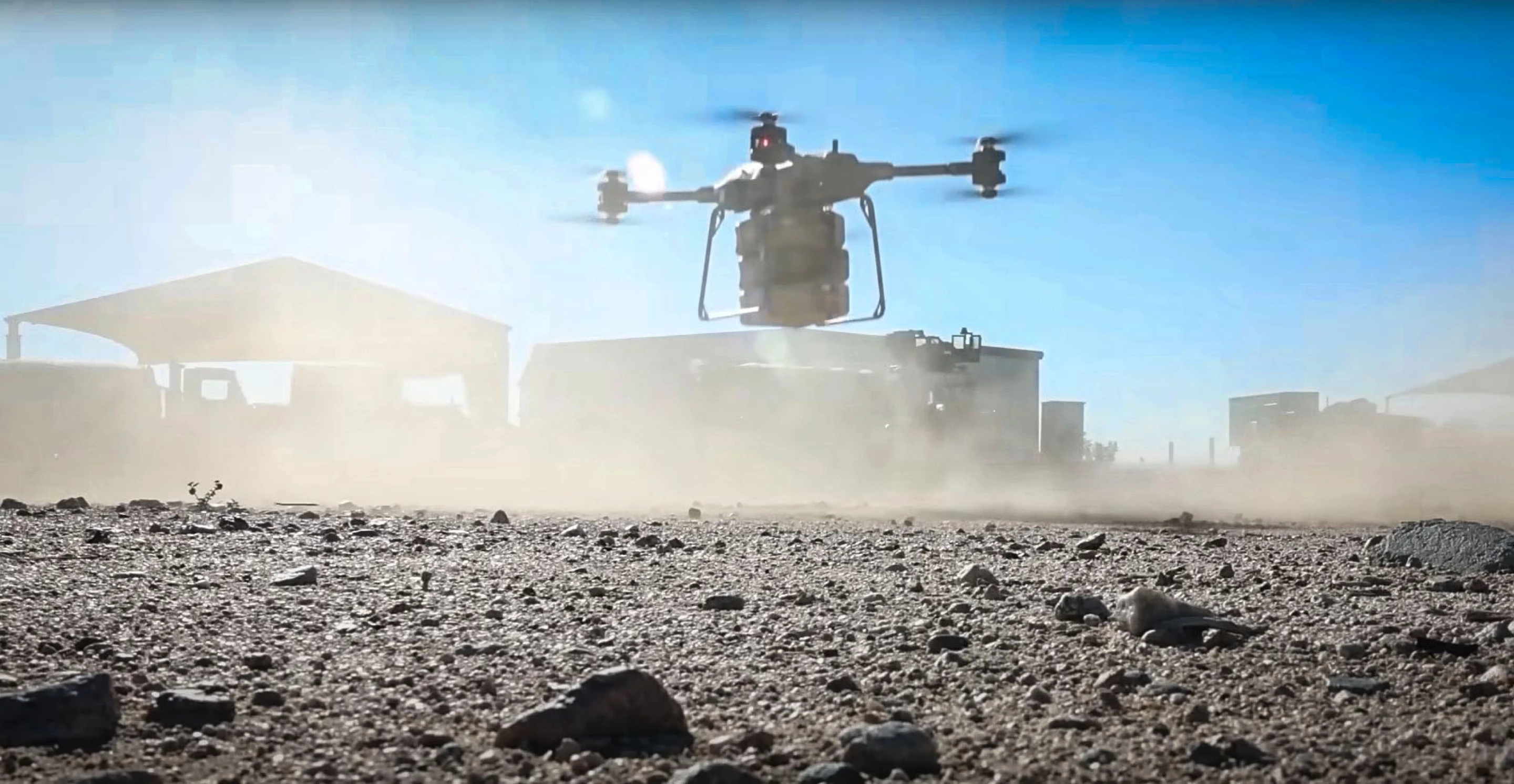
The report pointed out that the application of small UAVs in military and civilian fields is rapidly expanding, but existing models generally have limited load capacity. The ratio of payload to dead weight is usually about 1:1. Compared with the load ratio of about 1:3 of many traditional transport aircraft, this level is already good, but it is still difficult to meet the demand for smaller and more flexible drones. Therefore, DARPA directly raised the goal to the radical indicator of "a payload of four times its own weight."
According to the requirements of the challenge, the overall weight of participating drones must be less than 55 pounds (approximately 25 kilograms) and meet the relevant regulations of the United States Federal Aviation Administration (FAA). During the test, participating vehicles were required to lift a standard fitness barbell of at least 110 pounds (approximately 50 kilograms) as a load, cruise stably at an altitude of approximately 350 feet above the ground (an error of ±50 feet allowed), and complete a designated route with a total length of five nautical miles (approximately 9 kilometers).
During the flight, the drone needs to hover after flying four nautical miles and place the load securely in a designated area without falling or being thrown. Then it flies the last nautical mile and lands vertically in a circular area about 3 meters in diameter. The judging criteria are based on completing the task. If multiple teams complete the task, they will be ranked according to the time taken; if the participating vehicles do not reach a load ratio of 4:1, they will only receive half the bonus.
A total of US$6.5 million in prize money will be distributed among the top three winners, with US$2.5 million, US$1.5 million and US$1 million respectively. In addition, the organizers also set up three special awards, including "The Most Revolutionary Aerodynamic Design", "The Most Revolutionary Power System Design" and "The Most Promising Design", with each award worth US$500,000 to encourage bold innovations in key technologies such as aerodynamics and power systems.
The project leader emphasized in the report that excellent solutions often come from "unexpected places", so an open design competition format was deliberately adopted to encourage the participation of cross-border teams, promote the formation of new capabilities and accelerate the development of the defense industrial base. Registration for the challenge is scheduled to be open from January to May 2026, aiming to lay the foundation for the United States' future drone technology and military advantages through a wide collection of proposals.