Affected by the tight supply of global DRAM, the price of single memory modules and modules at retail has increased significantly. However, the direct impact on PC brand manufacturers is still limited. Acer and Asus revealed this week that rising memory costs have begun to have an impact on notebook computer pricing, but price adjustments at retail terminals are still sporadic. Some brands such as Dell may take the lead in making selective price increases for high-end and commercial models, but Acer and Asus have not yet made any adjustments at the official suggested retail price (MSRP) level.
Senior executives from many manufacturers have warned that as a new batch of orders enter the market in the next few quarters, memory inflationary pressure will gradually be transmitted to the selling price of the whole machine, and the changes in terminal prices will be more obvious than now. However, for now, the overall PC market price remains roughly stable, and there has not yet been a comprehensive price adjustment wave.
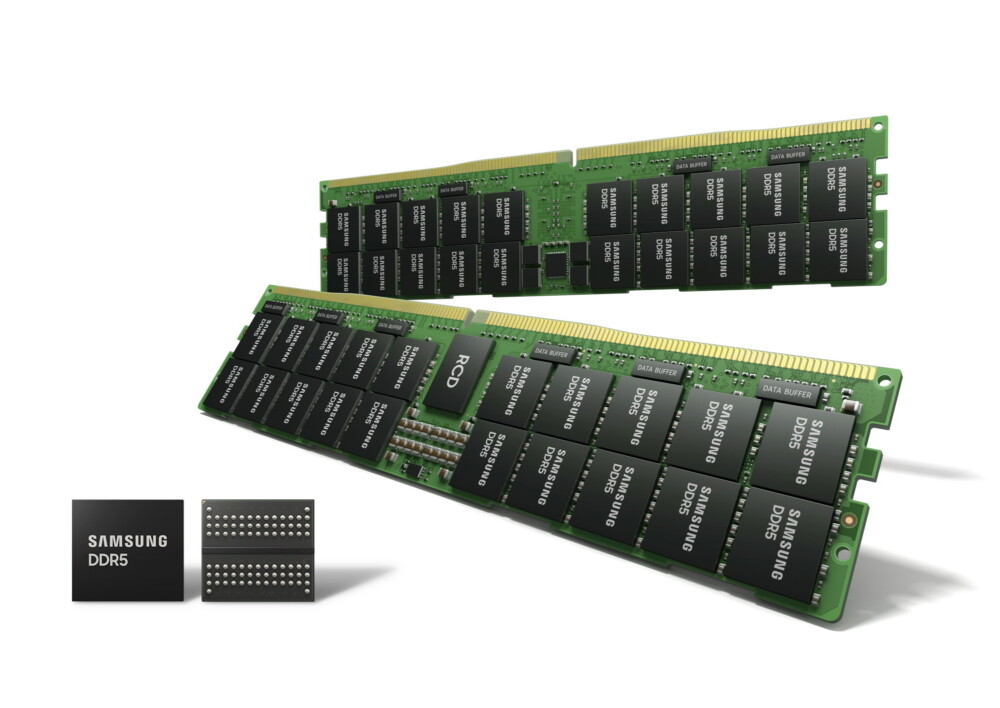
Industry insiders point out that the key to keeping machine prices relatively stable in the short term lies in the long-term supply contracts signed between OEMs and ODMs, which allow them to avoid violent fluctuations in the spot market for a period of time. Acer CEO said that memory has always accounted for about 8% to 10% of the complete machine's bill of materials (BOM). Even if the current DRAM price increases by 30% to 50%, the actual impact on the complete machine's BOM is still only about 2% to 3%. Since many manufacturers sign quarterly or even multi-year contracts with upstream suppliers, when contracts expire and prices are renegotiated, larger price fluctuations will gradually be reflected in the ex-factory and retail pricing of new models. The report pointed out that from the second quarter to the third quarter of 2026, as the new round of contract prices takes effect, the PC cost structure and market selling price may undergo more significant adjustments.
In terms of response strategies, manufacturers did not adopt a simple and crude unified price increase, but tried to balance cost pressure and market acceptance through a combination of fine-tuning specifications and price adjustments for local product lines. For entry-level laptops, the industry is expected to maintain a basic configuration similar to 8 GB of memory and 256 GB SSD, sacrificing a certain gross profit margin in exchange for price stability and product competitiveness. In contrast, mid-range models may slightly "shrink" in memory or storage capacity, and increase the price increase for optional or upgraded configurations, thereby passing on part of the cost to users with higher performance needs. As for high-end and flagship systems, they are regarded as the product categories most likely to directly see price increases.
As most manufacturers are stocking up in advance for the next few quarters, channel and inventory status have added uncertainty to demand forecasts in the short term, making the overall market visibility low. Industry observers believe that the tight supply and cost pressure of DRAM and other memory products will continue to ferment at least in the first half of next year. Whether prices can fall significantly in the future depends largely on the progress of production expansion on the supply side, especially the release speed of new production capacity in regions such as mainland China. Prior to this, PC manufacturers may still need to repeatedly weigh and fine-tune product strategies between maintaining product competitiveness and easing cost squeeze.