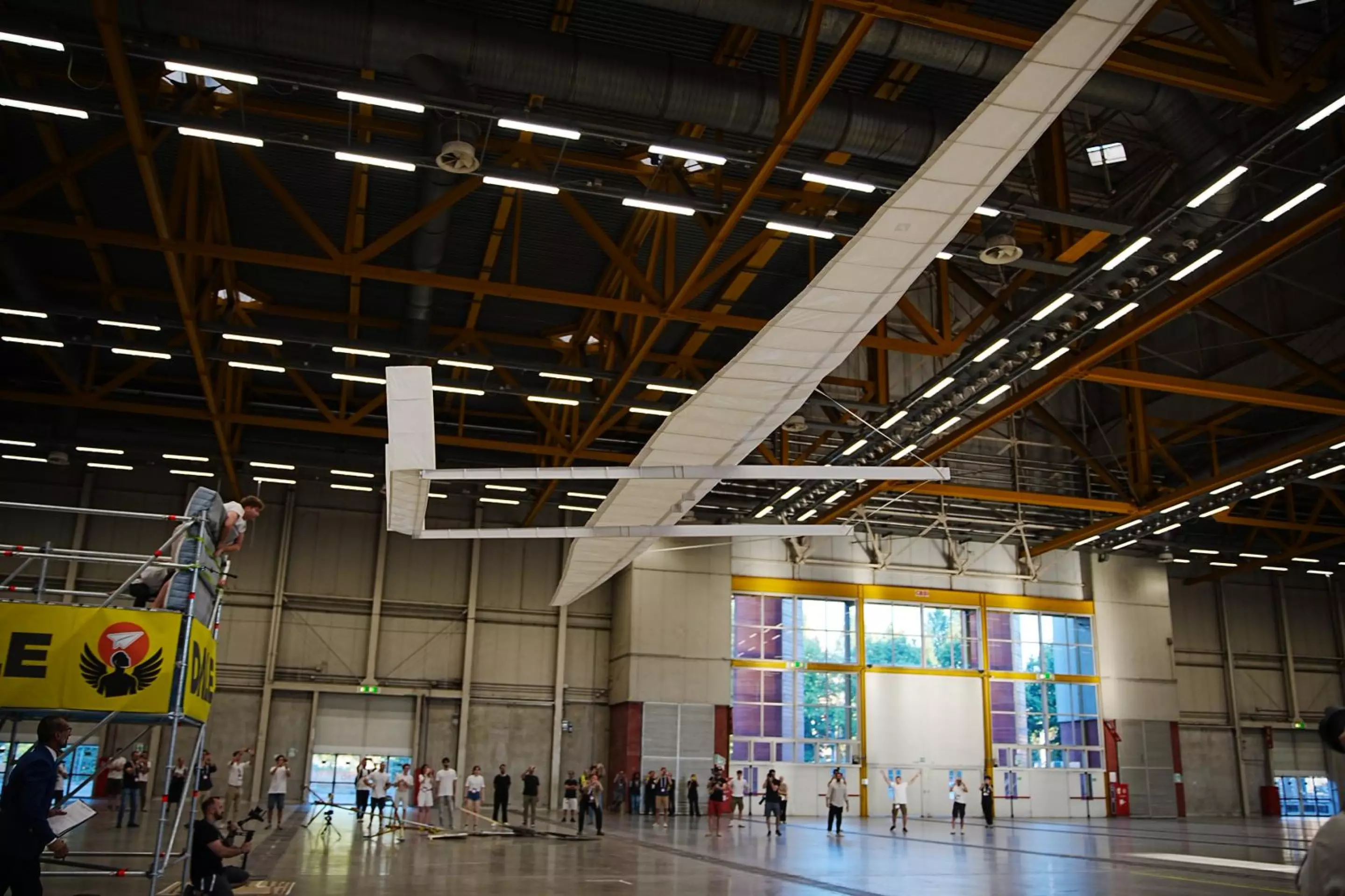
A team of students from the University of Pisa in Italy recently successfully built and flew a giant paper airplane named ICARUS, officially breaking the Guinness World Record for "the world's largest paper airplane." The paper plane was certified and presented on June 25 during the WMF – We Make Future event at BolognaFiere, Italy.
The report pointed out that the research and development process of ICARUS goes far beyond “classroom
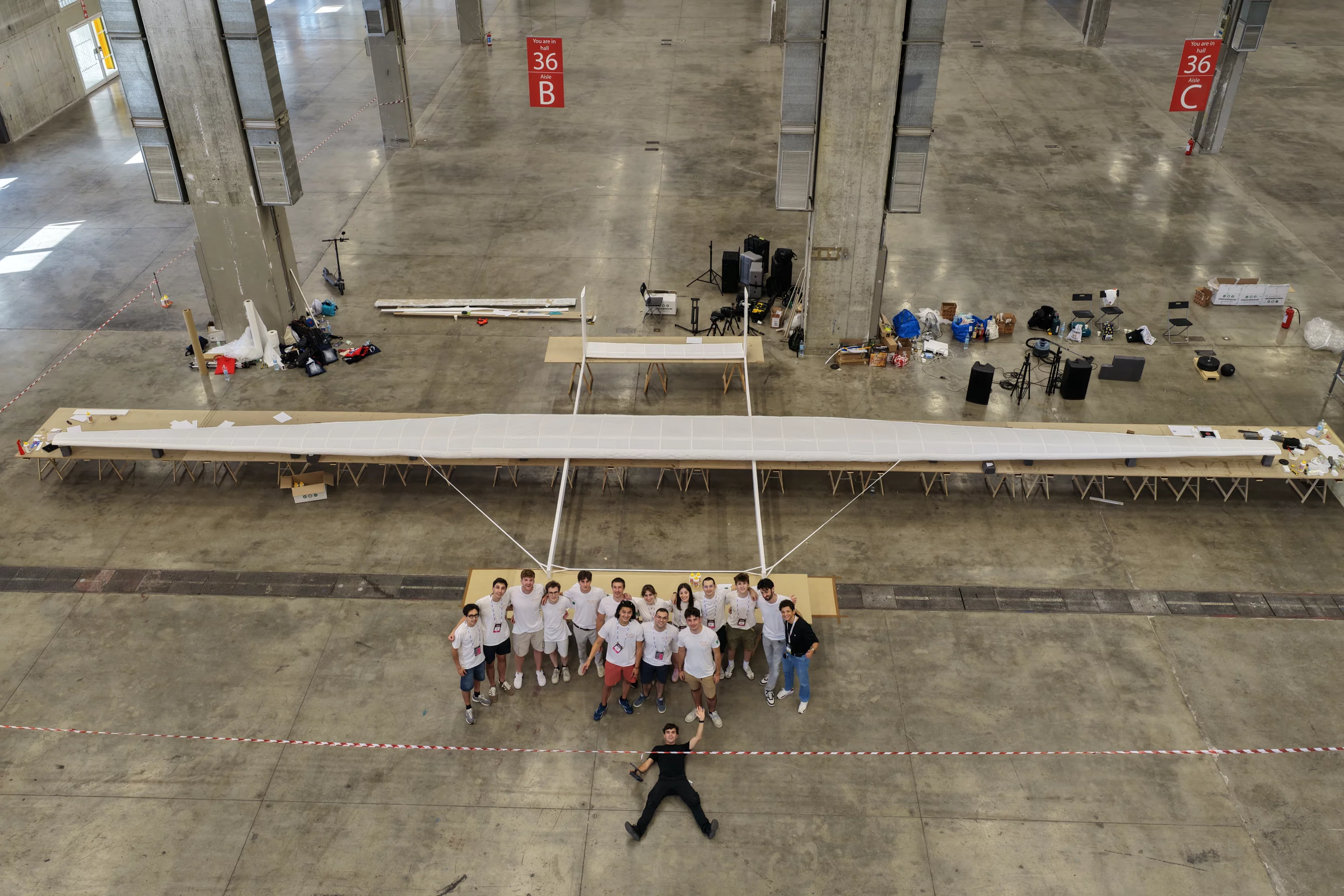
It is as simple as "handwork", but gradually evolved into a complete practical aviation engineering exercise. The student team needs to take into account stability, weight, stiffness and aerodynamic performance at the same time in the design, and conduct almost "surgical" meticulous consideration of every millimeter of structure and size.
According to Guinness World Records certification data, ICARUS has a fuselage length of approximately 7 meters, a wingspan of 20.04 meters, and a weight of approximately 28.49 kilograms. The indoor flight distance is 59 meters, successfully surpassing the previous record set in 2013 by a team from the Technical University of Braunschweig in Germany. The project also has the participation and support of science communicator and creator Jacopo D’Alesio (screen name Jakidale), who helped organize and document the entire manufacturing and test flight process.
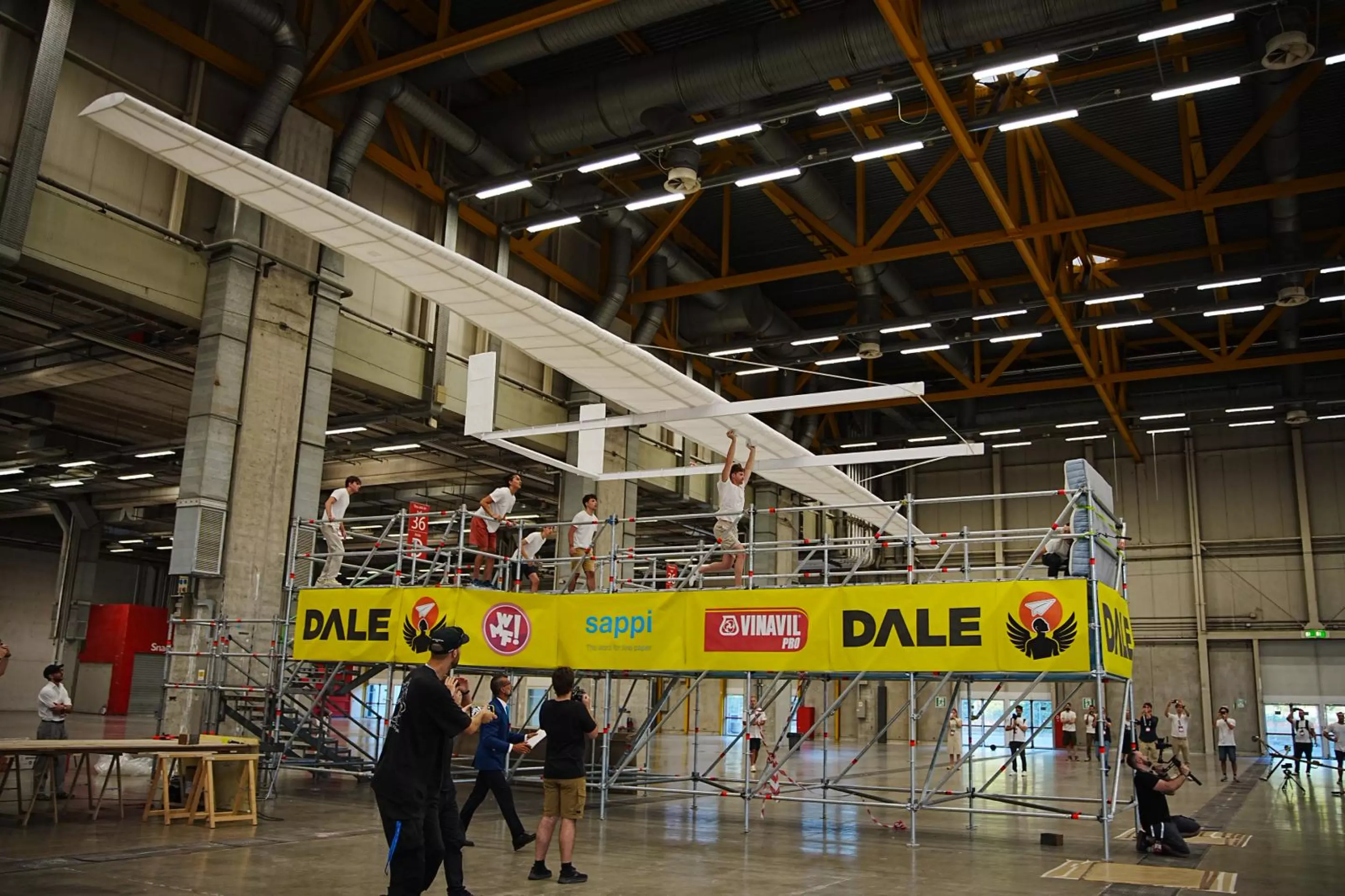
Jakidale said that when he first came into contact with this group of students from Pisa, he was attracted by this "seemingly crazy" idea - using paper and glue, combined with the design ideas of the wings of commercial airliners, to create a behemoth that has never existed. In his opinion, the significance of ICARUS lies not only in the size record, but also in that it completely brings paper airplanes into the realm of real engineering.
In terms of specific structure, the design logic of ICARUS is closer to that of traditional aircraft, except that the main material is changed from metal to paper. The team used structures such as spars, ribs, leading edges, trailing edges, and tails to maintain flight stability inside the fuselage to ensure that it still has controllable stiffness and aerodynamic characteristics after being enlarged to a 20-meter wingspan.
To increase overall strength without significantly increasing weight, the students used laminated paper, repeating modular components, and an overall geometry that facilitates force transfer. The project video shows that the team spent several months on calculations, simulations and prototype testing, and constantly revised the design before finalizing the final plan.
According to the statistics of the student team, the entire paper airplane consumed a total of about 300 kilograms of paper and about 60 kilograms of Vinavil Pro glue (some of which were used in watered-down form). In terms of material configuration, thicker paper with a weight of approximately 120 g/m2 is used for key load-bearing parts, while light paper with a weight of approximately 40 g/m2 is used for the outer skin to achieve a balance between strength and weight.
At the structural process level, the team bonded the paper into a honeycomb structure, thereby significantly improving the stiffness under limited weight. They emphasized that the goal is not simply to "use more paper", but to rationally arrange materials so that each part of the structure can bear greater loads with less volume.
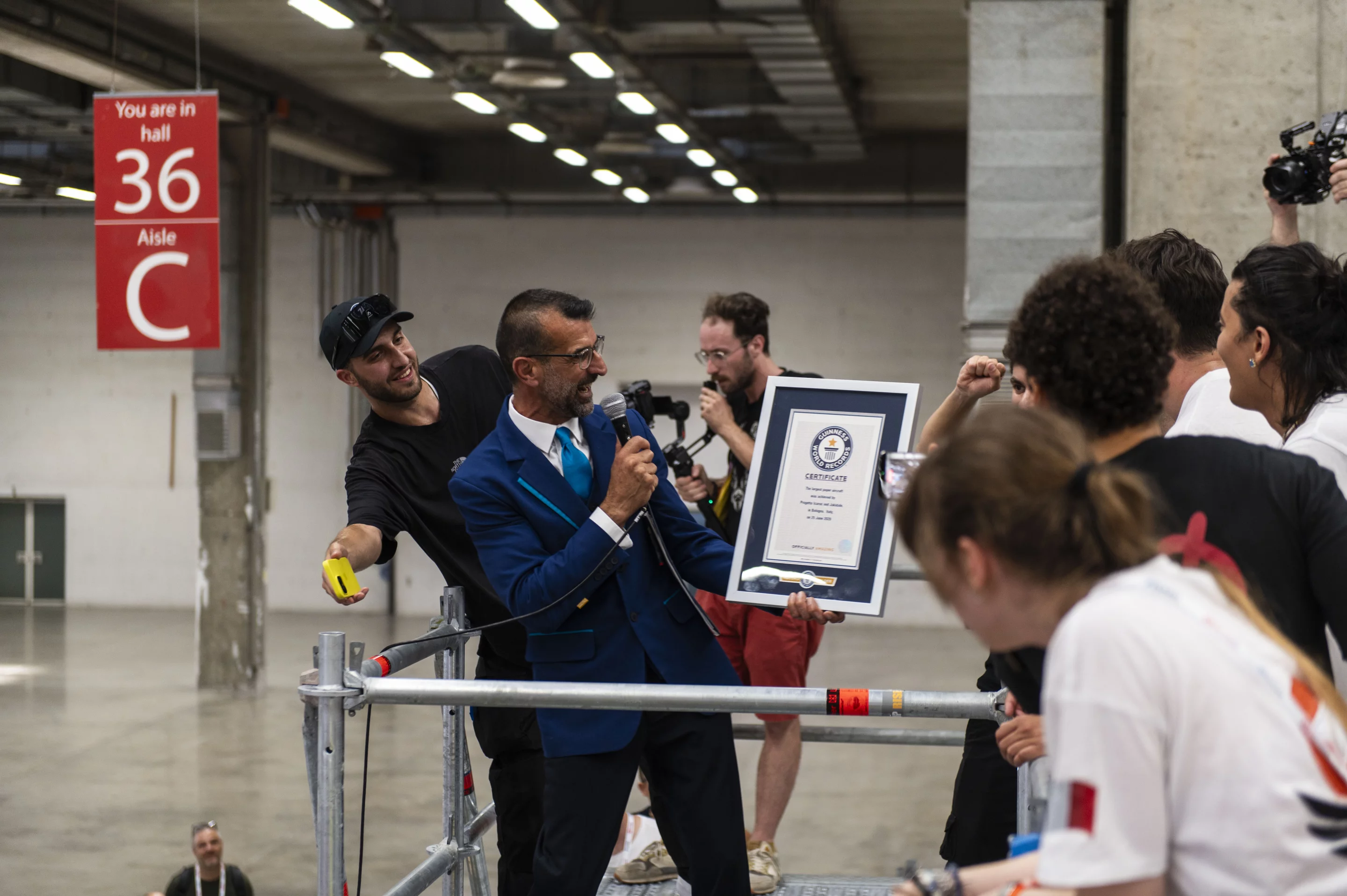
According to the rules of Guinness World Records, to win the title of "largest paper airplane", just being huge is not enough. Entries must take off from a platform no higher than 3 meters, be launched by a single person and glide at least 15 meters in the air. This meant the design had to strike a balance between aerodynamic efficiency and stability, closer to a giant gliding paper machine than a mere "paper sculpture."
In order to meet these stringent standards, the Pisa team produced a variety of scale models before finalizing them to systematically evaluate the lift and attitude control performance under different combinations of airfoils, wing areas, and launch speeds. Only after prototype tests proved feasible, they began to build the final version of ICARUS with a wingspan of 20 meters.
“A 20-meter-long paper airplane may seem at first glance to have no practical purpose, and in a sense it is,” Jakidale admitted in a project review. “But it’s this attempt to push engineering to its limits for the sheer challenge of it that often drives real progress.”
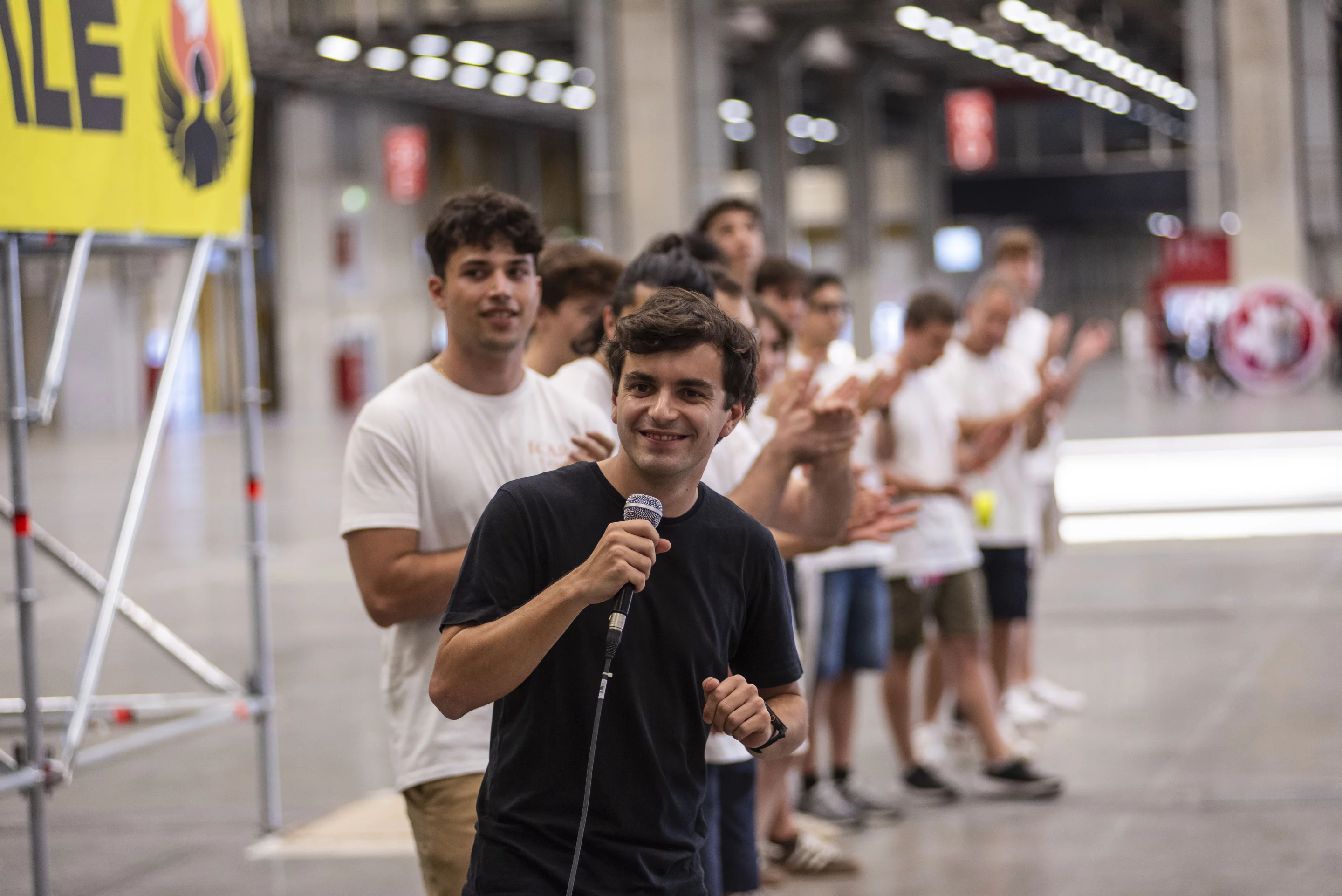
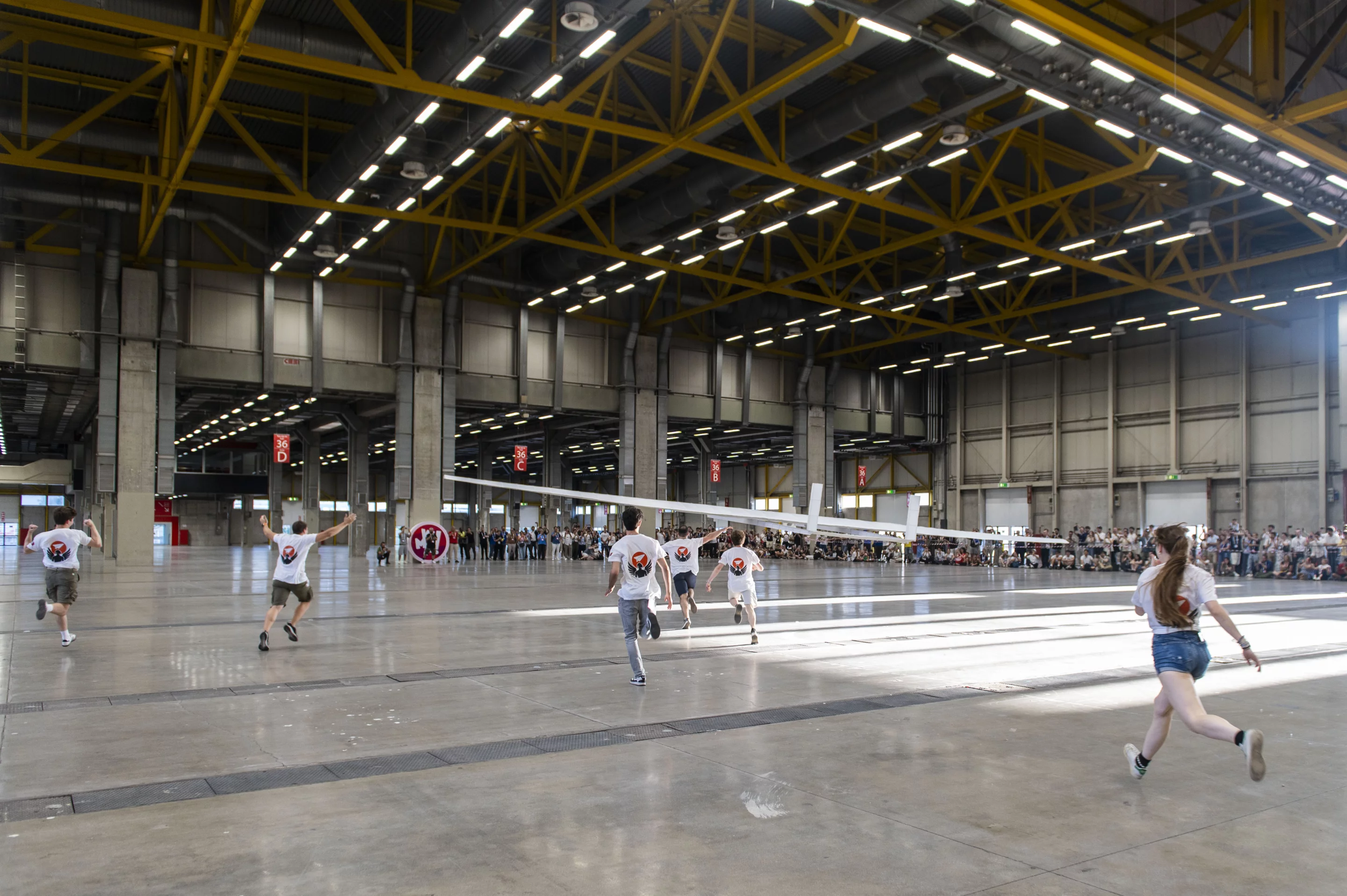
He recalled that the team spent months "battling" with humidity, structure, aerodynamics, every millimeter of tolerance and even the gravity of the earth. After seeing with his own eyes the moment when ICARUS successfully glided dozens of meters and then hit the pillars of the pavilion, he believed that this was a signal - even if the result is to "hit the pillars", it is always worthwhile to try to build something that seems impossible.