On December 31, according to "Business Insider", the transaction boom in the field of AI continued unabated, and this time it was the turn of social media giant Meta to take action.Meta announced on Monday that it will acquire Singapore-based AI startup Manus.Manus became popular in March when it previewed an AI agent that could autonomously perform tasks such as screening resumes and analyzing stocks. The company was originally founded in China before moving to Singapore in mid-2025. According to the Wall Street Journal, Meta paid more than $2 billion (approximately 14 billion yuan) to acquire Manus.
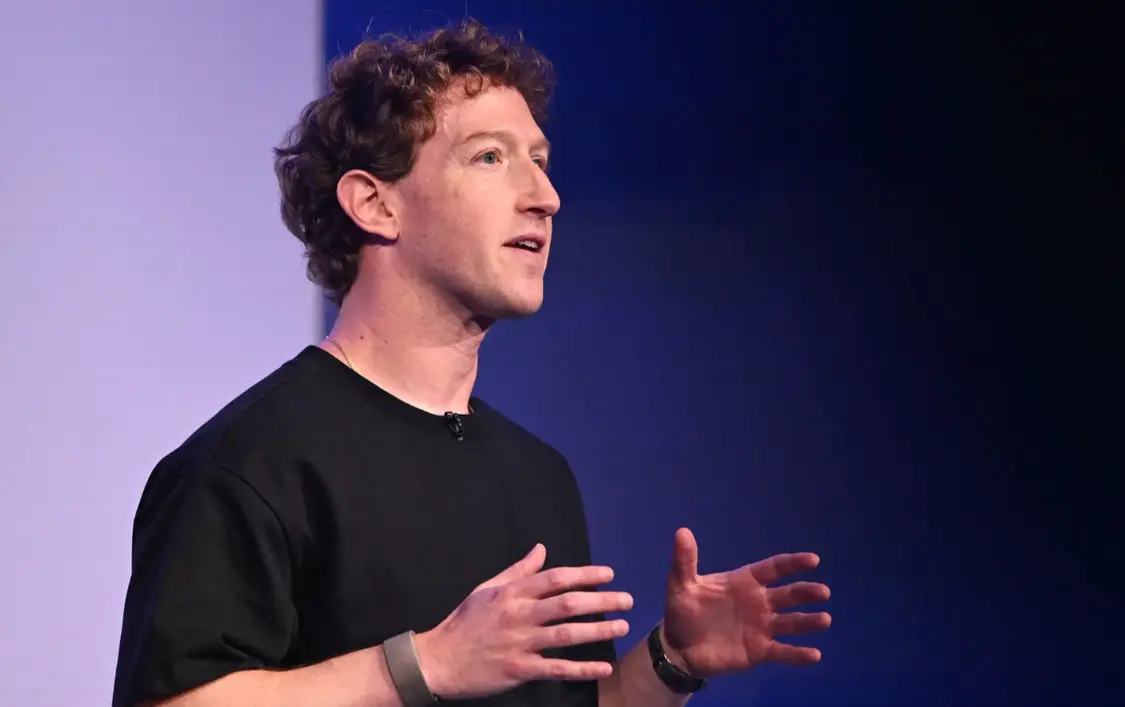
Zuckerberg
The acquisition is the latest example in a wave of investment and acquisitions that continues to be hot in the AI field this year. Meta also invested US$14 billion in AI annotation company Scale AI in June this year. Whether it's to quickly gain access to AI revenue streams or to gain a competitive advantage in the field of AI agents, acquiring Manus could give Meta a much-needed boost in the AI race.
Why did Meta acquire Manus? Here are the top three reasons, compiled by Business Insider:
1. Instant revenue generation engine
Manus disclosed in December that its platform has processed more than 147 trillion text tokens and has a user base of "millions." The company also claimed that its annual recurring revenue has exceeded $100 million. Both milestones were achieved eight months after product launch.
Manus
These data show that Meta acquired a startup company with its own paying user base. Meta's business model to date has mainly revolved around free products, making money through the collection of user data and targeted advertising. Although Manus provides basic functions for free, its professional version charges users up to US$200 per month, which opens up a direct monetization channel for Meta.
"This acquisition gives Meta a mature business with a paying customer base, significant revenue and a proven infrastructure at scale," Murthy Grandhi, an enterprise analyst at research firm GlobalData, said in a report.
Meta said in the announcement that it plans to continue selling Manus services separately while integrating Manus technology into existing platforms such as Facebook, Instagram and WhatsApp. But the company did not elaborate or reveal how it would be implemented. Previously, Meta has invested billions of dollars to build an internal AI team and develop so-called "super intelligence" technology, but the returns so far have been limited. The acquisition of Manus may allow Meta to make money directly from its AI business while continuing to promote internal research and development.
2.Manus is good at intelligent agents
In terms of basic model capabilities, Meta has always been unable to amaze consumers and developers like OpenAI and Google. However, as such models become increasingly commoditized, the industry increasingly needs to prove that AI can actually produce practical value. AI agents are one of the ways to achieve this goal. This type of software can proactively make decisions and perform tasks, such as planning marketing campaigns or monitoring and fixing vulnerabilities in applications.
Meta's acquisition of Manus may prove to be a wise strategic investment in the future, because the real value of AI will reside in the application layer above the model. Manus mainly uses AI models from other companies such as Anthropic's Claude as basic components and builds its own software layer on top of them.
When talking about Meta’s acquisition of Manus on X, Yuchen Jin, CEO of the AI startup Hyperbolic, said: “People always think that a small update from OpenAI or Google will eliminate a large number of AI startups, but in fact, the AI application layer should be the area where the opportunities are most concentrated.”
A Meta spokesperson did not immediately respond to a request for comment on which models Manus will continue to support after the acquisition.
3. Distribution advantages
Similar to Google, one of Meta's core advantages is that its platform has billions of users, which gives it a strong channel distribution advantage, but the challenge is how to continuously attract users to return.
Unlike Google, which caused a market sensation with Gemini 3, Meta has yet to achieve a similar AI breakthrough moment with its self-developed model. Combining Manus's "universal agent" with Meta's distribution channels presents another opportunity for the social media company, especially after CEO Mark Zuckerberg acknowledged that Facebook has transformed from a "platform for sharing content among friends" to a "broad space for discovery and entertainment."
"Manus provides a ready-made, high-margin software layer that can be sold directly for commercialization or integrated into Meta's various products for consumers and enterprises." GlobalData analyst Grandi pointed out.