There are currently three companies in the world that have mass-produced or are about to mass-produce 2nm-level processes - TSMC, Samsung and Intel. Japan's Rapidus is going to be the fourth company and plans to mass-produce 2nm processes in 2027. There is not much time left. To this end, Rapidus needs to complete a series of entire industry chain layouts. In July last year, it was the first to demonstrate wafers produced by the 2nm process. The front-end process has achieved results. Now it is necessary to prepare the back-end process, which is the packaging and testing process.
According to Japanese media reports, Rapidus plans to complete a 9,000-square-meter research base at the Seiko Epson Chitose Plant in Japan this spring.Afterwards, the back-end process trial production will be officially launched for chip packaging and PCB circuit assembly.
Back-end process BEOL refers to the second stage of semiconductor manufacturing - packaging and testing. In the past few years, the front-end and back-end processes could be produced separately by different companies, but now advanced chips require not only advanced front-end processes, but also advanced packaging, so back-end processes have also become extremely important.
TSMC has become almost the only choice for AI chip production in recent years. Not only does they have the most advanced chip production technology, but advanced packaging such as CoWoS is also one of the reasons why NVIDIA and AMD cannot do without TSMC. Back-end processes are also increasingly important.
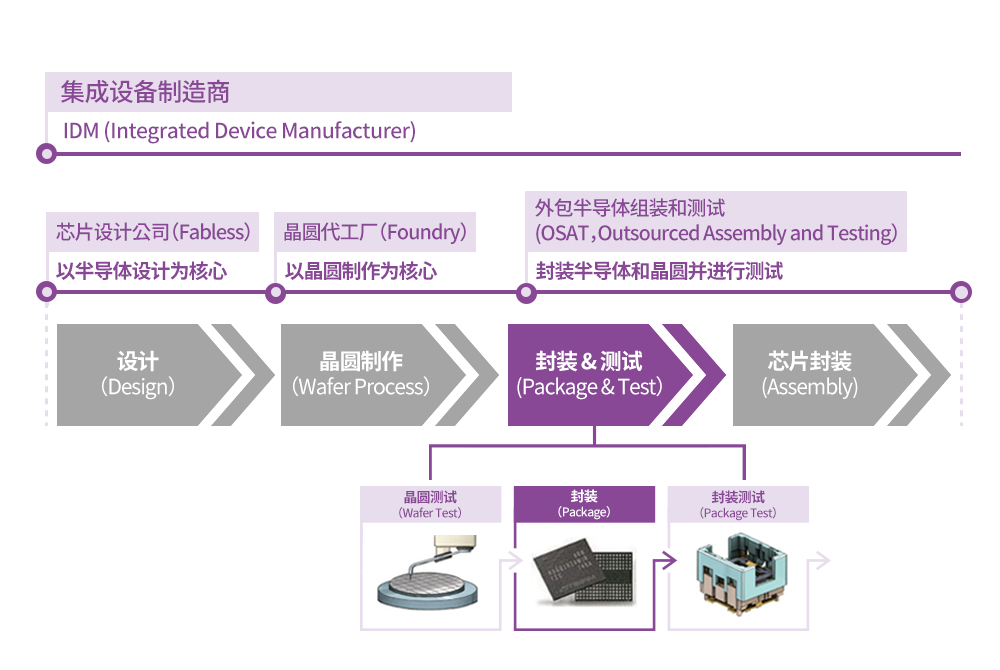
Japan not only lacks advanced process production, but also lacks advanced packaging and testing capabilities. Therefore, Rapidus has to develop a complete industrial chain on its own. Testing the back-end process this spring will also pave the way for mass production of the 2nm process. Otherwise, even if 2nm chips can be produced, the packaging cannot be handled well, and they will have to find manufacturers in other countries, and they will still be stuck.
If all goes well,It should not be a big problem for Rapidus to mass produce the 2nm process in 2027, Technically, it cooperates with IBM, and EUV lithography machines, etching machines and other equipment are not restricted. Financially, it has a blood transfusion from the Japanese government. Of the 7 trillion yen investment, Japanese official subsidies include 1.7 trillion yen.
However, as we have said before, whether Rapidus can ultimately succeed depends on their business situation. Japan’s eagerness to master advanced technology is well understood.But who will use the 2nm chips produced by Rapidus and for whom will be the test?, if we become a pure foundry, we will have to compete with TSMC and Samsung in terms of cost and production capacity, which is not easy.
If we expect Japanese companies to digest 2nm production capacity, they will need to develop advanced CPUs, GPUs, AI chips, etc. in the global AI competition. However, in the global AI competition, Japanese companies do not seem to have launched any well-known large models, and there is no news about Japanese manufacturers actively developing and producing AI chips. This makes it difficult to have any market demand.