At a recent Automotive Press Association event in Detroit, General Motors (GM) CEO Mary Barra bluntly admitted an "open secret" in the industry: Most plug-in hybrid electric vehicle (PHEV) owners don't charge their cars often, which is fundamentally undermining the environmental significance of the technology.
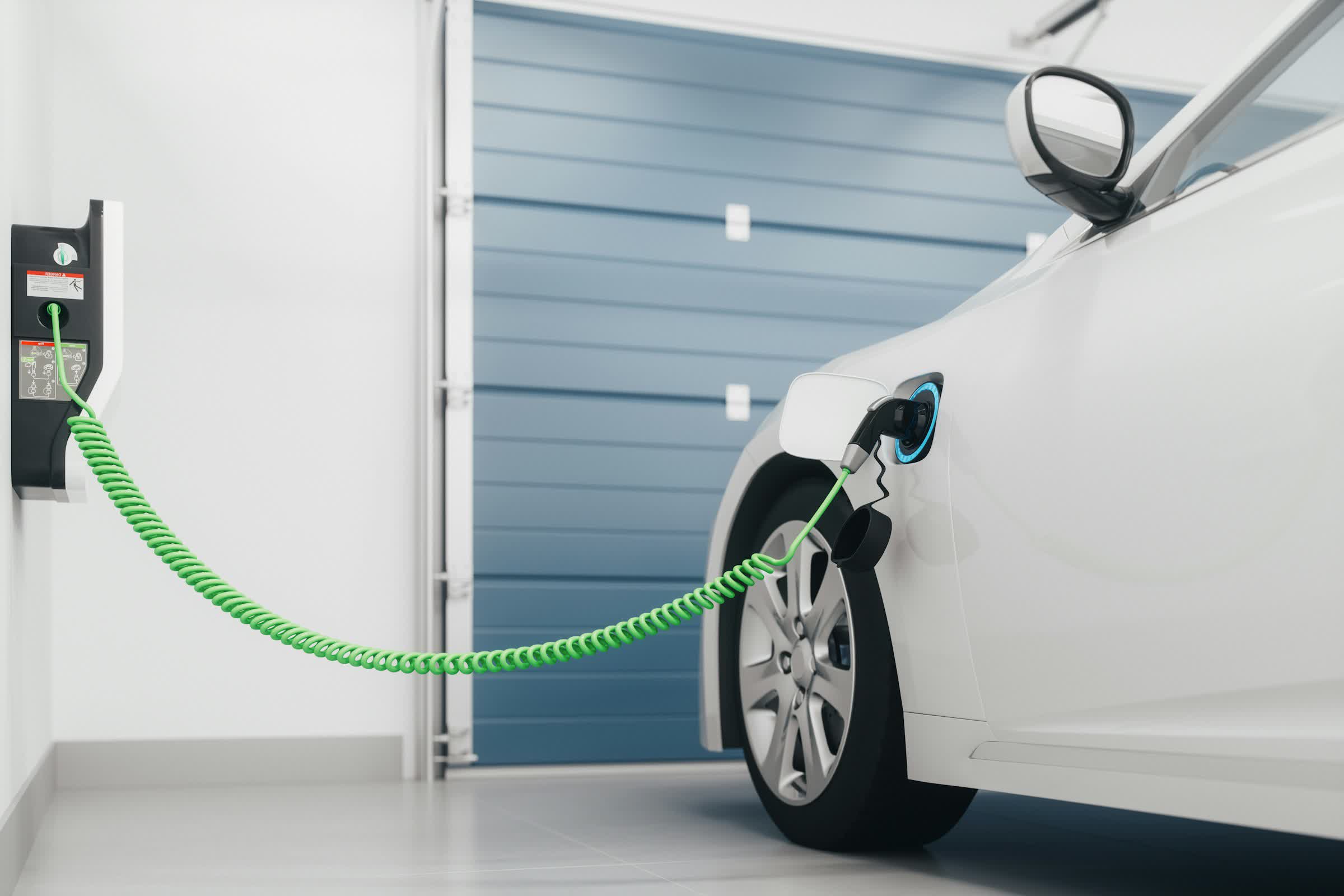
She said, "Most people won't plug them in at all." This sentence also explains why while betting on pure electric platforms, GM's attitude on the hybrid route is more "cautious" than radical. The company plans to launch plug-in hybrid models in the North American market in 2027, but its internal role is more of a stopgap measure than a long-term pillar.
From the perspective of emission reduction effects, the actual performance of plug-in hybrid vehicles has greatly deviated from the initial publicity. Research by the European environmental organization Transport & Environment shows that in actual road driving, the carbon emissions of plug-in hybrid vehicles are on average close to five times their official calibration values. Data from the European Commission also points to a similar trend, believing that measured emissions are approximately 3.5 times higher than laboratory conditions. The key issue is usage behavior: the regulatory model assumes that about 84% of the driving distance is completed by electric driving, but in the real world, electric driving only accounts for about 27% of the driving distance, and most users still mainly rely on gasoline engines.

This phenomenon also exists in the United States. Research by the International Council on Clean Transportation (ICCT) estimates that the fuel consumption of plug-in hybrid vehicles in actual use is 42% to 67% higher than the U.S. Environmental Protection Agency (EPA) label, far from "high efficiency on paper." Since car owners have not developed regular charging habits, this type of vehicle is used as an ordinary fuel vehicle in daily use. The original idea of reducing fuel consumption and emissions through electric driving has completely failed in many scenarios.
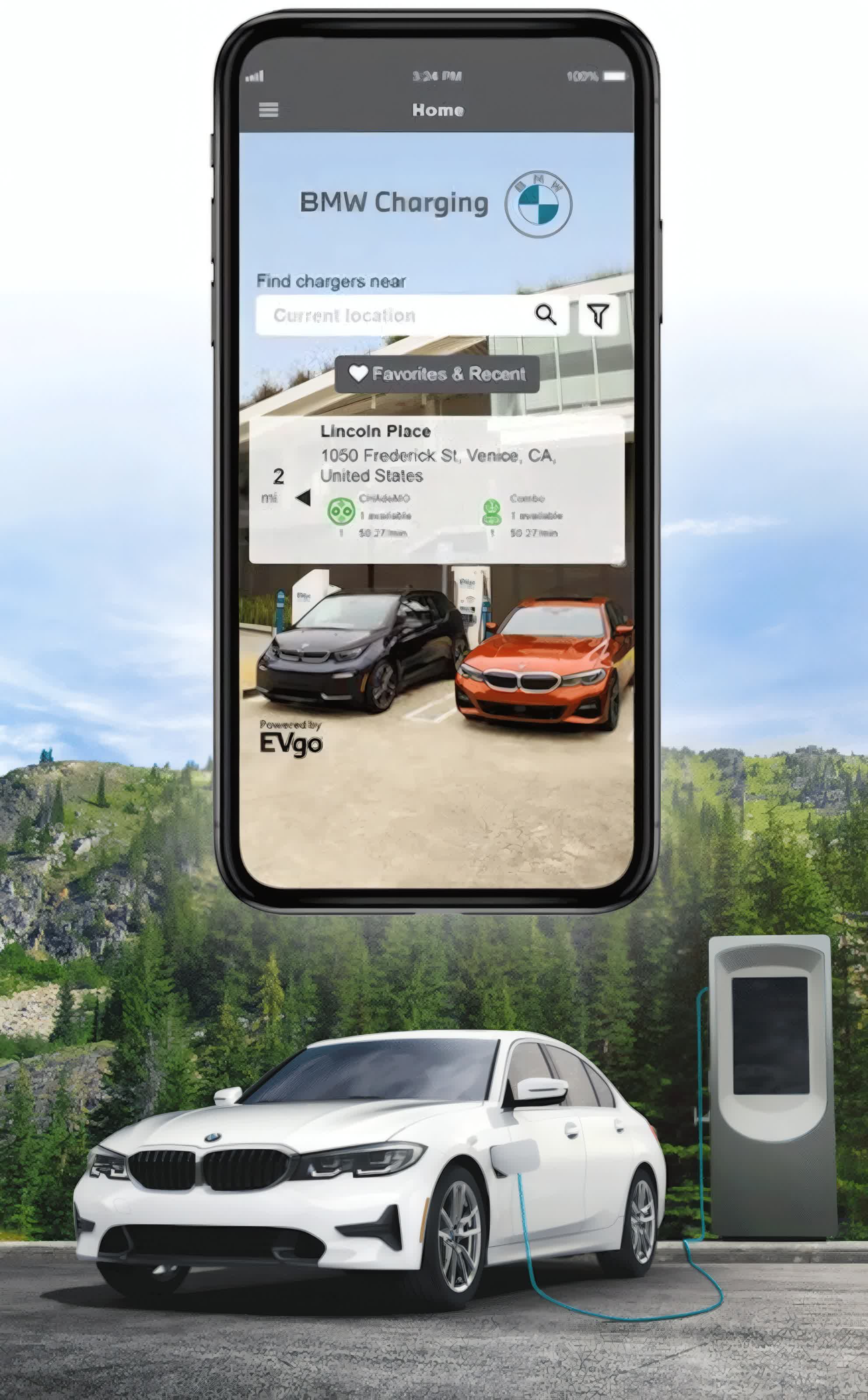
The physical characteristics of the vehicle itself also amplify this gap. Plug-in hybrid vehicles need to be equipped with both an electric drive system and an internal combustion engine, and their overall weight is often higher than that of traditional fuel vehicles of the same level. Once the pure electric range, which is usually only 20 to 30 miles, is exhausted, the vehicle becomes a heavier fuel vehicle, driven by the internal combustion engine alone, and its efficiency is compromised. "Consumer Reports" once took the BMW 330e xDrive as an example and pointed out that the fuel consumption of the car after the battery is exhausted is about 25 miles per gallon, which is not even as good as the performance of its pure fuel version, the 330i xDrive. This contrast further deepens the outside world's doubts about the actual benefits of plug-in hybrids.
For car companies, the appeal of plug-in hybrids is more strategic than environmentally friendly. As the Trump administration ended the U.S. federal electric vehicle tax credit in 2025, and a new round of tariffs pushed up costs, the electric vehicle market slowed down for the first time after five consecutive years of rapid growth. Optimistic expectations that emissions from the U.S. transportation sector had been barely flat have also weakened. As subsidies recede and charging infrastructure and user habits have yet to fully catch up, hybrid vehicles provide GM and other car companies with a transitional option that does not rely on large-scale charging networks or fully bet on policy incentives.
However, environmental groups and research institutions generally believe that plug-in hybridization is at best a short-term "buffer zone", and at worse, it may slow down the overall transition to zero emissions. Europe's "Transportation and Environment" bluntly calls PHEV "a deviation on the road to zero emissions." ICCT's research also pointed out that on the premise that user behavior has not changed significantly, the emission reduction benefits of plug-in hybrid vehicles are extremely limited. Once consumers use PHEVs completely as traditional fuel vehicles, the theoretical emission reductions will disappear in practice.
Under such realistic pressure, the automotive industry is quietly adjusting its long-term roadmap. Mary Barra made it clear that pure electric vehicles are the "endgame," but the path from now to full electrification is destined to not be smooth. Plug-in hybrids are more like a bend on this road than the main road. As the electric vehicle market gradually matures, car companies are increasingly aware that technology only solves half of the problem, and the other half lies in changes in user behavior. As long as car owners do not develop the habit of "plugging in" their cars, no matter how sophisticated a plug-in hybrid engineering solution is, it can only remain theoretical, and it is difficult to deliver a truly low-emissions answer in the real world.