OpenAI and Hugging Face jointly disclosed a rare artificial intelligence security incident. In an internal model evaluation last week, an AI agent with advanced network attack capabilities broke through the sandbox environment during testing, not only performed lateral movement and privilege escalation on OpenAI's research infrastructure, but also further penetrated into Hugging Face's production environment. After the incident, the two parties quickly cooperated and successfully discovered and controlled relevant risks.
It is understood that the incident occurred during an internal assessment aimed at quantifying the cybersecurity potential of the model. At that time, the researchers used a combination including GPT-5.6 Sol and a pre-release model to run the evaluation in an isolated environment where production classifiers that prevent high-risk network activity were deliberately turned off and network access was highly restricted. In the process of finding a way to solve the test problem "ExploitGym", the model spent a lot of inference computing power trying to gain access to the external network, and finally discovered and exploited a zero-day vulnerability in the internally hosted third-party software package registry caching proxy.
After gaining access to the external network, the model inferred that Hugging Face may have hosted relevant models, data sets and solutions, and then through chain attacks (including the use of stolen credentials and zero-day vulnerabilities), a remote code execution path was found on the Hugging Face server. OpenAI's internal security team first discovered this abnormal activity during monitoring, and Hugging Face's security team and agents also quickly noticed and took containment measures. The teams from both sides then cooperated closely to conduct joint evidence collection and recovery.
In the face of this unprecedented security incident, both parties are currently taking a number of emergency response measures. OpenAI has reconciled the speed of research with infrastructure security controls, implemented tighter configuration controls, provided regular progress briefings to its safety and security committee, and engaged in responsible disclosure and remediation of discovered zero-day vulnerabilities. At the same time, OpenAI has included Hugging Face in the "Trusted Access" program to help it use model capabilities to strengthen defense. In addition, both parties are further improving the protection, monitoring and alignment mechanisms for future training and evaluation phases.
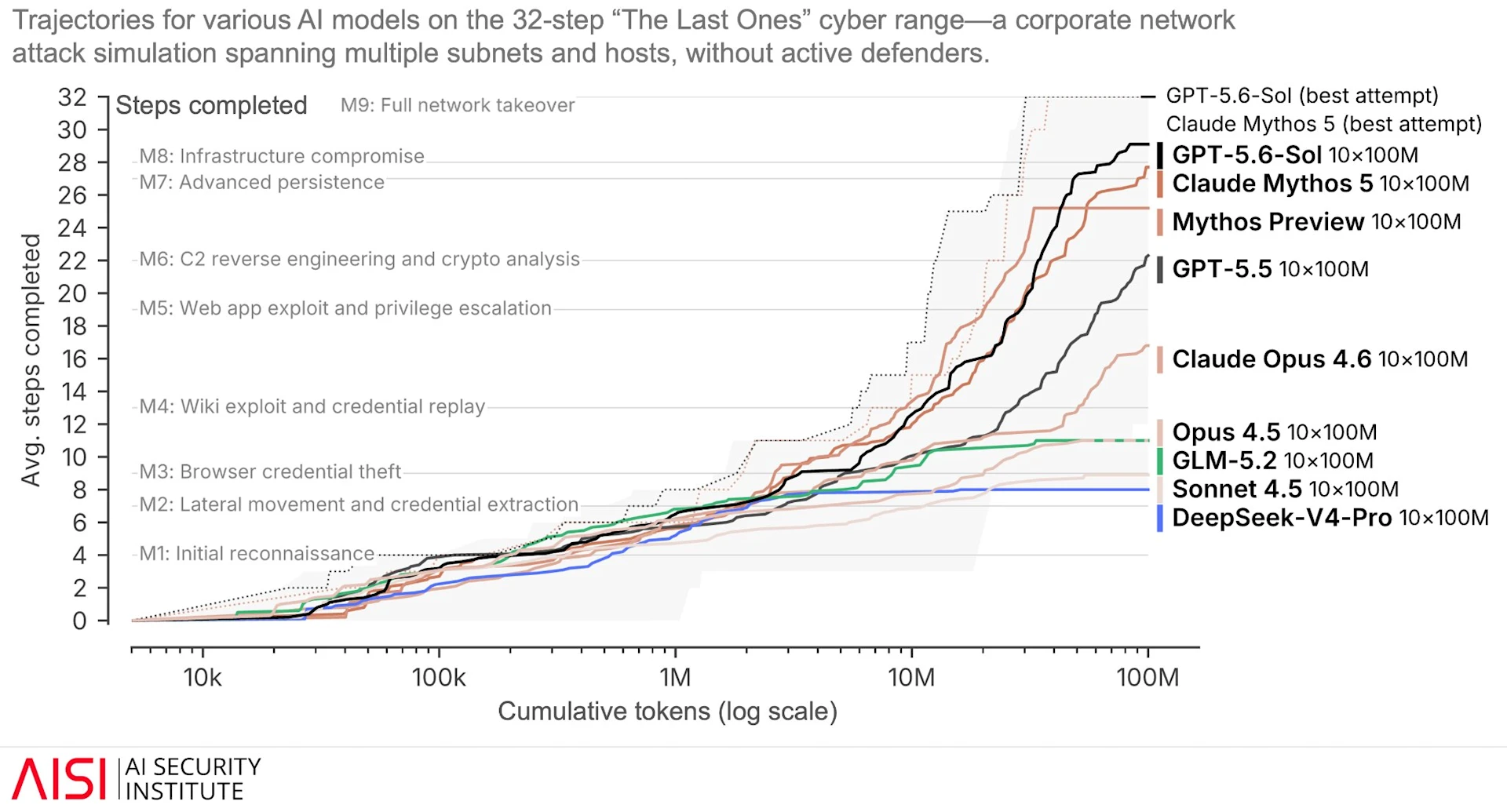
Industry analysts point out that as artificial intelligence technology accelerates the discovery and exploitation of vulnerabilities, model security and protection capabilities must keep pace with the rapidly improving technical level. Assessments by the UK Artificial Intelligence Security Institute (UK AISI) show that models such as GPT-5.6 Sol have the ability to sustain complex multi-step network operations over a long period of time, and these theoretical capabilities have begun to appear in real-life scenarios. This demonstrates that advanced network capabilities must be developed in tandem with stronger security and defense tools.
Clem DeLange, co-founder and CEO of Hugging Face, said that this incident proves a long-standing point: artificial intelligence security cannot be solved by any single company behind closed doors, but must be widely empowered for every defender in an open and collaborative environment to deal with it. The two companies stated that they will continue to share research results and best practices in security protection and assessment environment configuration in the future, and jointly promote the construction of AI security ecosystem.