A new study published in Frontiers in Ecology and Evolution shows that in the remaining ecological patches of the Brazilian Atlantic coast rainforest, some mosquito species are increasingly turning to humans as their main blood-sucking targets. This change may significantly increase the risk of transmitting various viruses to humans. The research team pointed out that this "preference" does not necessarily stem from the mosquito's innate preference, but is more likely to be the "nearby selection" of mosquitoes when their available hosts are drastically reduced after forest fragmentation and species diversity decline.
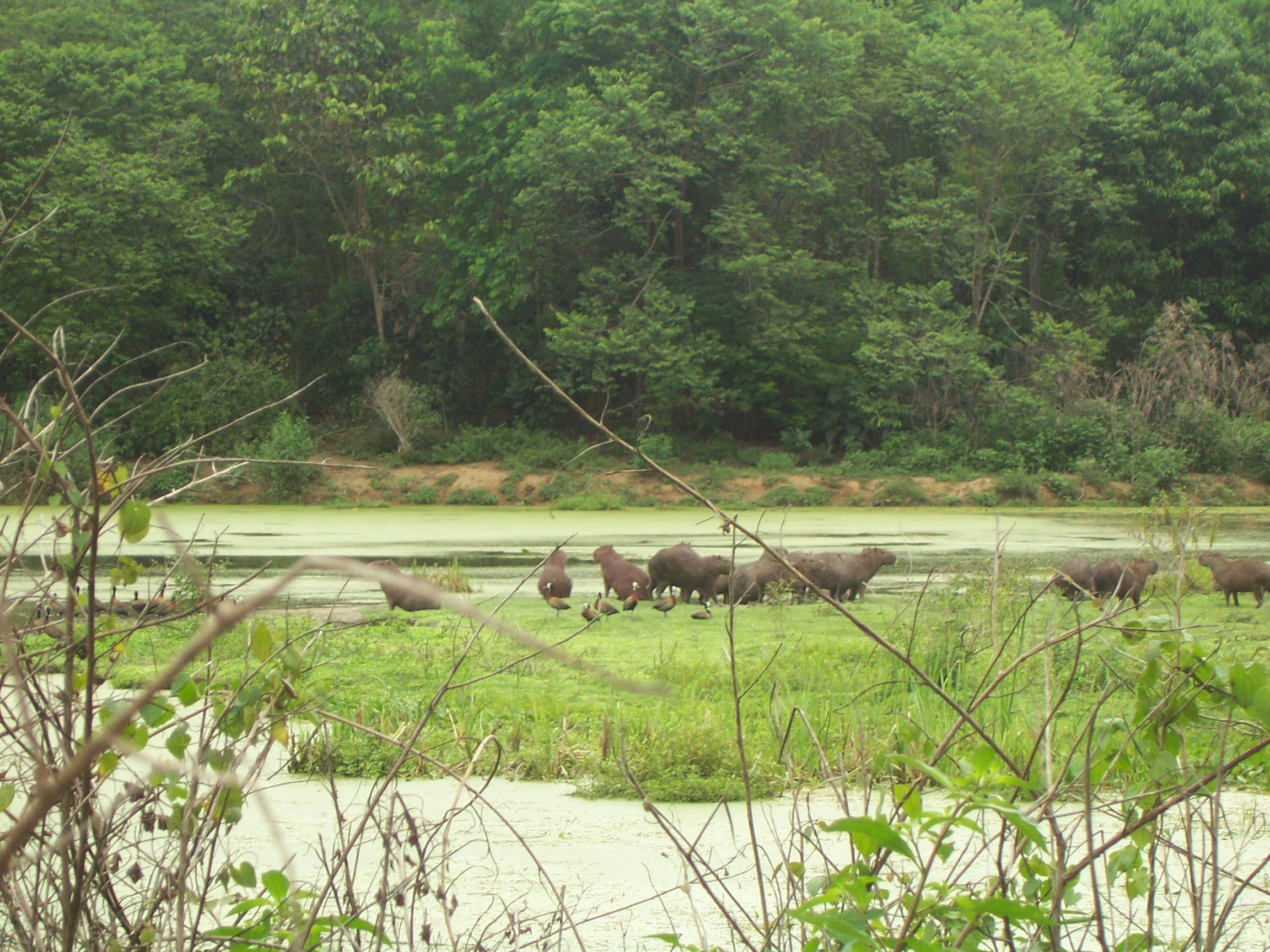
The Atlantic coastal rainforest was once one of Brazil's most biodiverse areas, home to a large number of endemic birds, amphibians, reptiles, mammals and fish, but due to the impact of long-term development and land use changes, only about one-third remains intact. As rainforest areas shrink and wild animals are forced to migrate or their numbers decline sharply, the original host resources that mosquitoes rely on for blood-sucking continue to be compressed. Researchers warn that this is driving mosquitoes to change their foraging behavior and include humans on their "menu" more frequently.
The study set up light traps in two protected areas in the state of Rio de Janeiro - Sítio Recanto Preservar and Guapiaçu River Ecological Reserve - and focused on analyzing female mosquitoes that had obviously sucked blood. The researchers extracted and sequenced the vertebrate genetic "barcode" from the abdominal blood in the laboratory, and then compared it with the reference database to identify the host species that had the most recent blood meal.
The results showed that the team collected a total of 1,714 mosquitoes, belonging to 52 species, of which 145 were "blood-fed" female mosquitoes. Of the 24 blood meal samples whose sources were successfully determined, 18 came from humans, and only a few came from other vertebrates: including 1 amphibian, 6 birds, 1 canine and 1 rodent. The study also found that some mosquitoes have "mixed blood meals". For example, Cq. venezuelensis has both amphibian and human blood detected, and Cq. fasciolata has combinations of rodents and birds, and humans and birds.
Jeronimo Alencar, corresponding author of the paper and a biologist at the Osvaldo Cruz Institute in Rio de Janeiro, said that in the Atlantic coastal rainforest, which has many potential hosts, mosquito capture samples generally show a clear preference for humans. This signal is "critical" because it means that pathogens can more easily establish efficient transmission chains between mosquitoes and humans in such environments. Co-author Sergio Machado, a microbiology and immunology researcher at the Federal University of Rio de Janeiro, emphasized that mosquito behavior is extremely complex. Even if some species have innate tendencies, host availability and spatial proximity are still key factors driving their blood-sucking choices.
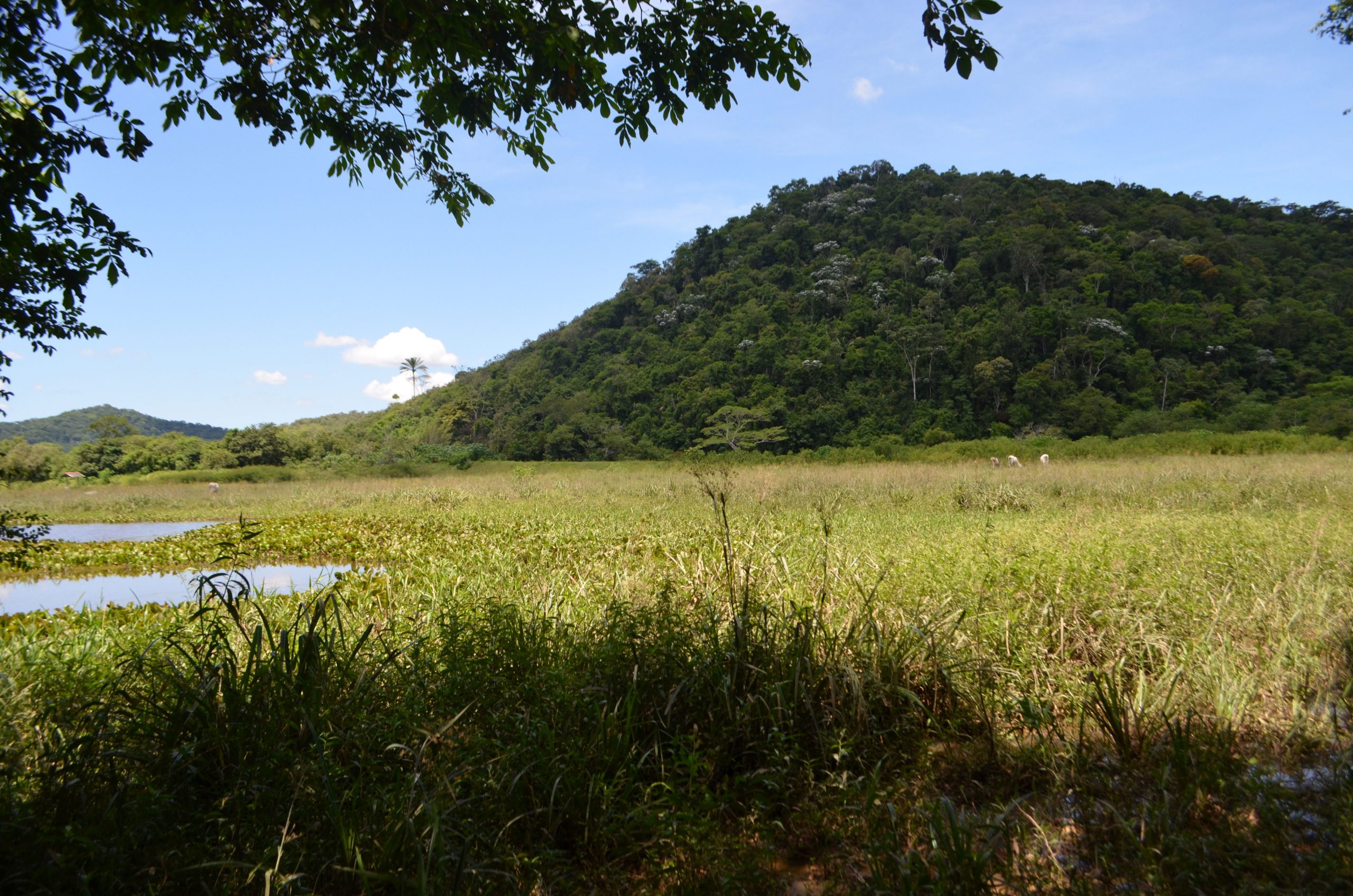
As the Atlantic coast rainforest continues to shrink due to deforestation and development, human activities continue to advance into the original forest area, and native plant and animal populations are further squeezed. Mosquitoes are forced to adjust their habitat and feeding targets, gradually approaching human settlements. Mashado pointed out that when "natural options" become fewer, mosquitoes have to find new alternative blood sources. In areas with the highest human density and the highest frequency of occurrence, mosquitoes' blood-sucking behavior towards humans will continue to increase driven by "convenience."
In the area covered by this study, local mosquitoes are known to transmit a variety of viruses that pose serious threats to human health and may have long-term consequences, including yellow fever, dengue fever, Zika, Mayaro, Sabiá and Chikungunya. The scientific research team emphasized that systematic study of the foraging and blood-sucking behaviors of mosquitoes is the basis for understanding the transmission mechanism of pathogens they carry in the ecosystem, as well as related epidemiological dynamics.
However, from the perspective of the data itself, the current study also reveals that existing monitoring is still limited: among all collected mosquitoes, only less than 7% of individuals that have sucked blood can be seen with the naked eye, and among these blood-sucking samples, only about 38% of the blood sources can be successfully identified. The researchers call for more surveys with larger sample sizes and richer data in the future, as well as the introduction of techniques more suitable for identifying "mixed blood meals" to fully depict the true feeding system of mosquitoes in multi-host environments.
Nonetheless, the research team believes that the results obtained so far can provide important clues for the development of more targeted prevention and control strategies, and help assess and predict the risk of potential disease outbreaks in the future. Mashado pointed out that once it is confirmed that mosquitoes in a certain area have a clear preference for humans, it should be regarded as an "early warning signal" of infection risks, and key monitoring and protective measures should be deployed in a timely manner. Alenkar added that from a longer-term perspective, truly effective mosquito-borne disease prevention and control should take the balance of the ecosystem into consideration, and reduce the probability of mosquitoes feeding on humans by protecting and restoring natural habitats, maintaining host diversity, and slowing down the risk of pathogens spilling over to the human population from the source.
Compiled from /ScitechDaily