Amazon recently submitted documents to the U.S. Federal Communications Commission (FCC), formally applying to extend the mid-term deployment deadline of "half of the constellation must be in orbit" for its Leo broadband Internet satellite constellation by two years from the original July 30, 2026, to July 30, 2028.
According to the FCC's initial approval of the then-"Project Kuiper" in 2020, Amazon needed to put at least half of the 3,232 low-orbit broadband satellites into orbit by mid-2026. Now the company has admitted that it will be difficult to complete this milestone as scheduled.
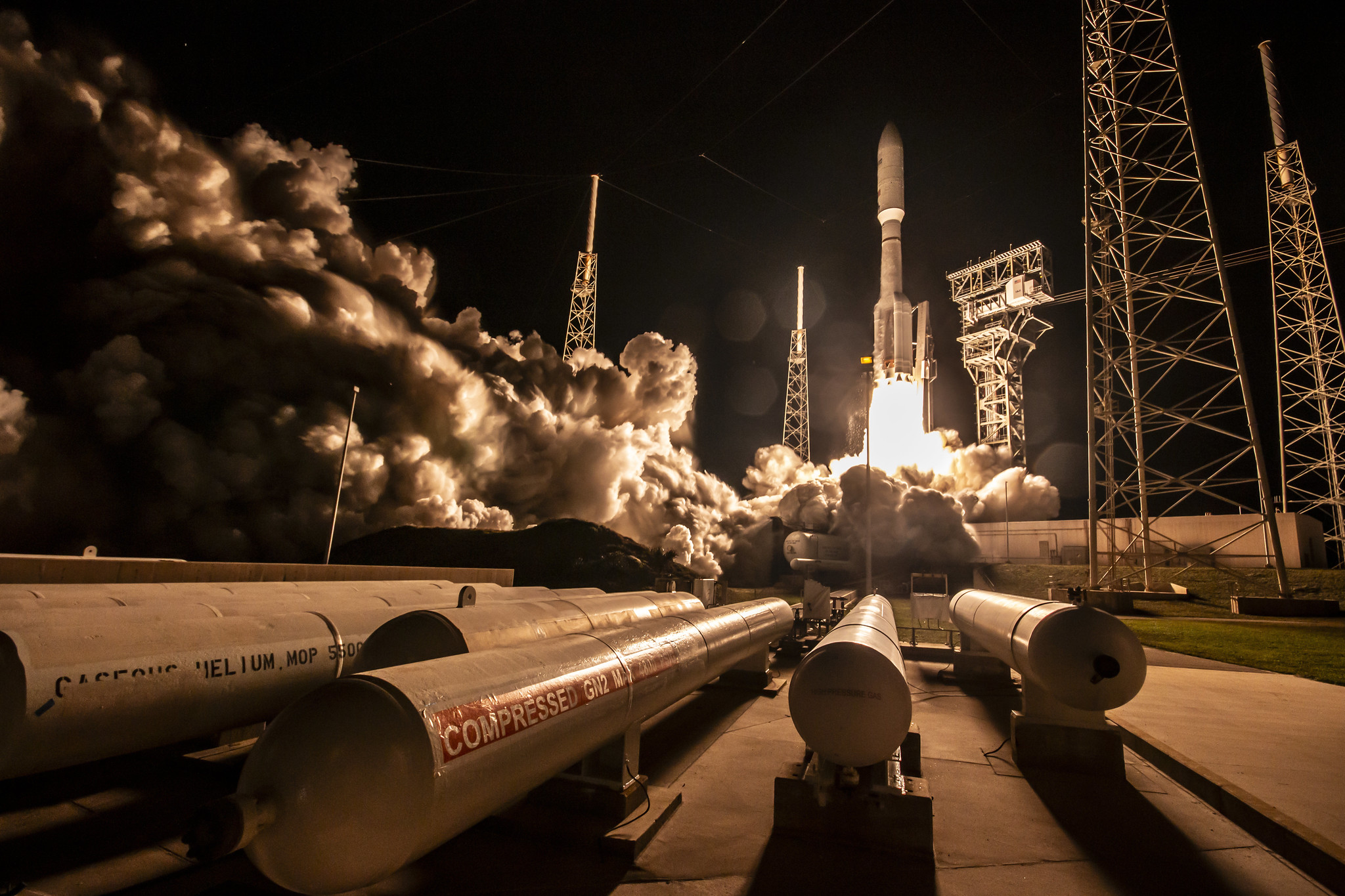
Amazon said in its FCC filing that it has invested more than $10 billion in the Leo constellation project and has booked more than 100 rocket launches to put satellites into predetermined orbits. However, the company said that despite locking in an "unprecedented launch capacity reserve" and investing heavily in ground infrastructure, there has been an actual shortage of launch supplies in the past two years. Amazon pointed out that this shortage is mainly due to factors such as disturbances in the rocket manufacturing process, the failure and grounding of new launch vehicles, and limited capacity at each launch site, which has resulted in a significant contraction of the planned launch window.
Amazon has also been forced to slow down its satellite manufacturing plant in Kirkland, Washington, due to a launch capacity gap. The company disclosed in the document that the factory has the capacity to stably achieve the production of about 30 satellites per week and an annual output of more than 1,500 satellites. It has so far produced hundreds of satellites that have reached flight qualifications. However, due to repeated delays in the launch schedule, the company has adjusted its production schedule, otherwise it could have produced satellites "several times larger than the current inventory."
Amazon also pointed out that the launch shortage was not the only reason for the delay. A prototype star test mission in 2023 verified the technical route of the Leo constellation in terms of overall design, but it also revealed the need for "unexpected re-engineering" to further improve performance and reliability. These key improvements have pushed back full-scale production by approximately nine months, further compressing the time window for large-scale deployment by 2026.
Currently, Project Leo has launched 180 batch model satellites into orbit through four United Launch Alliance (ULA) Atlas 5 rocket launches and three SpaceX Falcon 9 rocket launches. In the next few months, the first launch missions using ULA's new generation "Vulcan" heavy rocket and Europe's "Arian 6" rocket are expected to be carried out one after another. Amazon has previously signed an agreement with Blue Origin to lock in the launch missions of two dozen New Glenn heavy-lift rockets, and confirmed in the latest document that in addition to the three missions it has performed, it has also booked 10 additional Falcon 9 rocket launches.
When Amazon explained its plans to the FCC, it expected that by the end of July this year, the Leo constellation would have a total of approximately 700 satellites in orbit. By then, the company also plans to allow more corporate and government customers to obtain user terminal equipment, laying the foundation for rolling out commercial services to a wider range of the United States and the world. Amazon emphasized that no matter how the mid-term milestones are adjusted, it is still confident that it will complete the deployment of all 3,232 satellites by mid-2029, and suggested that the FCC can choose to directly waive the rigid requirement that "half of the satellites must be in orbit before the halfway node" in lieu of a purely formal extension of approval.
This extension request had been widely expected in the industry, but the timing was quite sensitive because competition in the satellite Internet market is rapidly heating up. SpaceX’s Starlink network currently dominates the field, having launched more than 9,000 satellites and with more than 9 million users. At the same time, Blue Origin announced last week that it is building an ultra-high-speed satellite data network called "TeraWave", triggering further speculation about potential collaboration and even asset integration between it and Amazon Leo.
Industry analyst Tim Farrar posted on the social platform In his view, Amazon's launch of 3,200 satellites at one go according to the current design may not be the "smartest" technical strategy under the current market environment, because compared with Starlink's upcoming V3 generation system, existing models may face pressure in terms of competitiveness. But he also believes that from the perspective of capital market and customer confidence, this application has calmed the uncertainty surrounding the prospects of the Amazon Leo project at least in the short term, and is particularly critical for the company to win the commitment of large customers in the coming months, especially after the company has recently experienced large-scale layoffs.