NVIDIA's 100 billion investment in OpenAI has changed its commitment, and Huang Renxun clarified that it was "never a promise" and will be evaluated round by round. Previously, Huang Renxun had privately criticized OpenAI for its lack of discipline and its investment plan had stalled. The cyclical trading model of chip giants investing in key customers is causing widespread market doubts about the authenticity of AI demand.
Nvidia CEO Jensen Huang clarified the nature of the previously announced investment plan of up to $100 billion in OpenAI, saying that it was "never a commitment" and that the company would "evaluate" each financing round on a case-by-case basis.
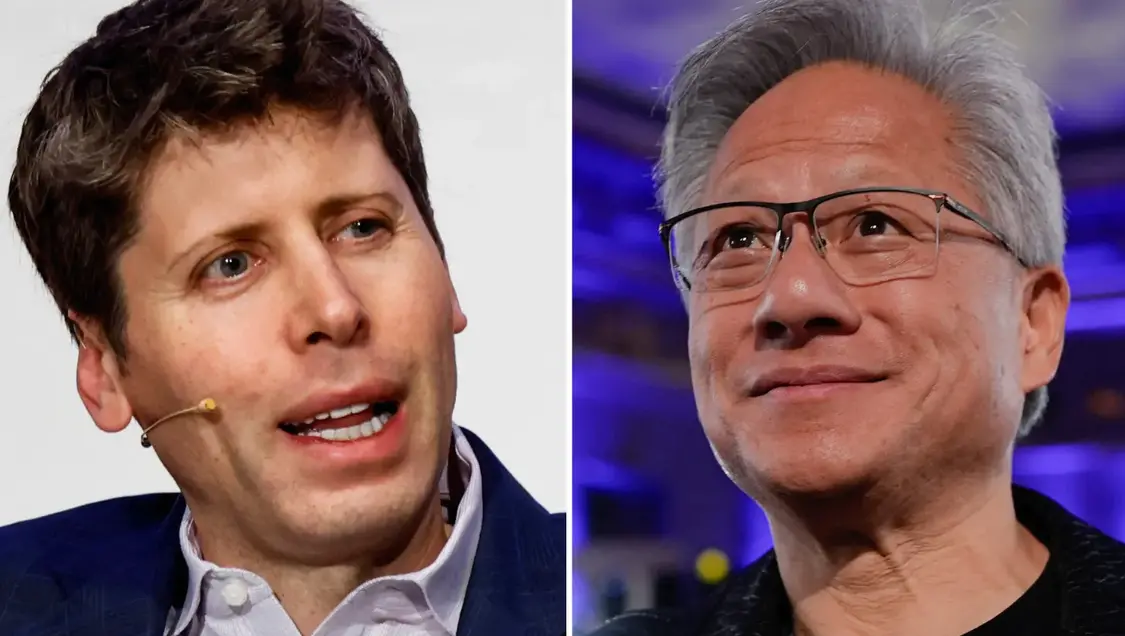
Huang Renxun told reporters in Taipei, China, on Sunday, "This has never been a commitment. They invited us to invest up to US$100 billion. Of course we are very happy and honored to be invited, but we will invest step by step." This statement responded to the outside world's doubts about the implementation of the investment plan.
The Wall Street Journal reported on Friday that the investment plan, announced in September, had stalled, with some within Nvidia expressing doubts about the deal. The report quoted people familiar with the matter as saying that Huang Renxun had privately emphasized that the $100 billion agreement was non-binding and criticized OpenAI's lack of discipline in its business methods.
Asked about the report that seemed to suggest he was dissatisfied with OpenAI, Huang said on Saturday "that's bullshit" and said, "I believe in OpenAI. The work they do is incredible. They are one of the most important companies of our time." Such recurring investment arrangements continue to raise concerns about the authenticity of demand for AI.
Non-binding nature of investment agreements
According to a letter of intent signed in September, Nvidia plans to invest up to $100 billion in OpenAI to support new data centers and other artificial intelligence infrastructure. The agreement aims to help OpenAI build data centers with a capacity of at least 10 gigawatts - equivalent to New York City's peak power demand - and equip it with Nvidia's advanced chips to train and deploy AI models.
Huang did not specify how much the company might invest, but described the investment as "significant." He added that Nvidia’s investment in OpenAI’s current financing round will not be close to $100 billion. "We're going to invest a lot of money," Huang said on Saturday.
According to the Wall Street Journal, citing people familiar with the matter, Huang has privately emphasized that the $100 billion agreement is non-binding, criticized OpenAI's lack of discipline in its business methods, and expressed concerns about competition. According to reports, some people within Nvidia expressed doubts about the deal, causing the investment plan to stall.
Nvidia's plans to invest in OpenAI - a key buyer of its advanced AI chips - have raised concerns over the past year about the cyclical nature of AI deals. Investors are increasingly questioning whether these partnerships - in which technology companies invest in AI companies to buy their products - may be artificially propping up demand. In another similar deal, Nvidia recently announced plans to acquire cloud computing provider CoreWeave Inc. With an additional investment of US$2 billion, the latter is also its key customer.