On February 3, according to CNBC, Elon Musk said on Monday,One of his main reasons for merging SpaceX with its AI startup xAI is to build an "orbital data center" more efficiently, but that is still a fairly distant goal. However, xAI now has a more pressing need: funding.
In a blog post announcing the merger of the two companies on Monday, Musk predicted that "in the next two to three years, space will become the lowest-cost location for generating AI computing power." But to achieve this goal, xAI needs to invest huge amounts of money to build huge infrastructure. The three-year-old company is trying to catch up with rivals such as Google, OpenAI and Anthropic in the rapidly heating generative AI market.
SpaceX plans to go public this year in what could be a record-setting IPO and perhaps the clearest path for Musk to get the money he needs.Reuters said the company plans to raise up to $50 billion at a valuation of up to about $1.5 trillion.
Starlink is key to SpaceX's growth. This satellite Internet service currently has about 9,000 satellites in orbit and nearly 9 million users. The company also recently received approval from the U.S. Federal Communications Commission to put an additional 7,500 satellites into orbit.
Financing xAI
Tim Farrar, president of TMF Associates, a satellite and telecommunications industry research firm, pointed out that SpaceX cannot fully invest the huge funds raised in the IPO into existing operations because there are a limited number of rocket launches each year that can be used to send Starlink satellites into space.

xAI
He believes that incorporating xAI into SpaceX will allow Musk to take advantage of investors' enthusiasm for AI assets while providing financial security for this AI company that continues to lose money. According to a report from technology website The Information on Monday evening,xAI has disclosed to investors that as of the first nine months of 2025, the company has burned approximately US$9.5 billion.
"The current market is pouring tens of billions of dollars into AI companies, but in six or 12 months, investors' attitudes may change," Farrar analyzed. "Funds can be raised now, but the future may not be certain."
favorable regulatory environment
In addition to a friendly capital market environment, Musk also benefits from an extremely favorable regulatory environment. As the Trump administration relaxes regulations on the environment, antitrust and other aspects, his operating space has further expanded.
Monday's blog announcement did not mention any aspects that required regulatory approval, and Musk even stated in the first sentence of the statement that the transaction had been completed. Nevada public documents obtained by CNBC show that the deal was completed on February 2, with SpaceX listed as the "managing member" of xAI Holdings.
Particularly critical for Musk is that his business partner, former SpaceX investor and customer Jared Isaacman (Jared Isaacman) recently became the administrator of NASA (NASA). Isaacman has been supportive of accelerating the agency’s plans to expand cooperation with SpaceX. FCC Chairman Brendan Carr has also been a public supporter of the SpaceX Starlink project.
With Trump in the White House and Republicans taking control of both houses of Congress, the regulatory environment for mergers and acquisitions in the technology industry has also undergone tremendous changes. The FTC is now run by Trump appointee Andrew Ferguson, rather than Lina Khan, who became known for frequently blocking big tech mergers and acquisitions during Biden's presidency.
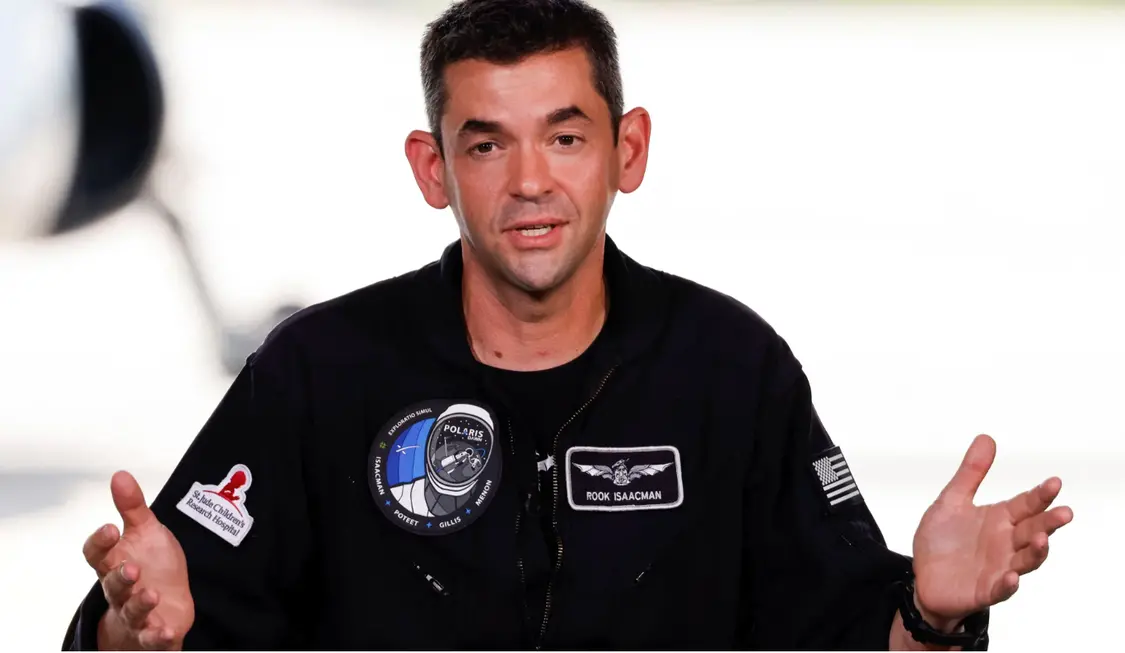
Musk’s friend Isaacman becomes NASA administrator
In the field of AI, Musk’s long-time friend David Sacks serves as the White House’s director of cryptocurrency and AI affairs and has been pushing the federal government to reduce regulation of AI companies to support their aggressive expansion strategies. In December last year, Trump signed an executive order establishing a unified AI regulatory framework, weakening the ability of Democratic-led state governments such as California and New York to formulate relevant rules independently.
While Musk still has three years left in Trump's second term, the window for Republicans to take full control may be quite brief..There are only nine months left until the midterm elections, and Trump's approval ratings continue to decline.
investor support
Musk acted quickly. He likely has the backing of a loyal group of investors who have long backed his approach to cross-fertilizing resources and merging companies.
Farrar points out that Musk's loyal fans and institutional investors are willing to support this intricate network of transactions, or "Musk's economic system," in part because they understand the symbolic meaning of maintaining the strong status of all Musk's companies.
"The entire system is built on trust in him," Farrar emphasized. "If any part of his business empire has problems or goes bankrupt, it will shake the foundation of the entire system."