In response to the recent problem reported by netizens that "long-distance tickets are available, short-distance tickets are not available", on February 14, the relevant person in charge of the Railway 12306 Technical Center issued a response. It said that the railway department adheres to the principle of "reasonable division of labor for long and short-distance trains, taking into account the starting station and intermediate stations" in organizing passenger trains, among which long-distance trains mainly meet the needs of passengers for medium and long distance travel.
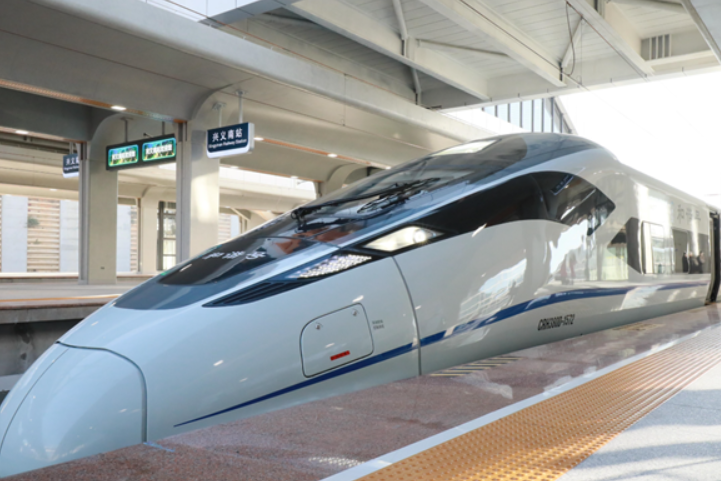
In order to make good use of the transportation capacity resources of long-distance trains and scientifically and reasonably meet the needs of passengers for purchasing tickets, Railway 12306 implements a "long-distance priority, taking into account short- and medium-distance" ticketing strategy for long-distance trains. "Long-distance priority" refers to allocating most of the ticket amount to the originating station or stations adjacent to the originating station, giving priority to passengers who travel the whole journey or travel longer distances;
"Taking into account short and medium distances" means allocating a certain number of tickets to stations along the line through pre-allocation and dynamic adjustment of ticket amounts to meet the travel needs of short and medium distance passengers, fully embodying the principle of fairness and justice.
The ticket sale for a long-distance train mainly goes through three stages:
One is the pre-allocation of tickets. Before tickets go on sale, Railway 12306 relies on historical passenger flow data to first allocate about 20% of the ticket amount to stations adjacent to the origin station to meet the travel needs of medium and long-distance passengers arriving at stations adjacent to the terminal station (including the terminal station). Based on 12306 big data analysis, the remaining ticket amount is automatically allocated to long-distance sections with greater passenger flow demand. After the above-mentioned tickets are sold, a number of short-distance tickets will be split.
The second is dynamic adjustment. One day after the train goes on sale, if there are still remaining tickets on the train, Railway 12306 will formulate a ticket allocation adjustment plan based on the number of remaining tickets and waitlisted ticket purchases, combined with historical passenger flow data. The remaining long-distance tickets will be allocated to sections with high waitlist demand every day. After these tickets are sold, they will continue to be split into a number of short-distance tickets. The above ticket amounts will be given priority to passengers who have submitted waitlisted ticket purchases in the same section based on the "first come, first served" principle.
The third is open sale. According to the train departure time, one day before or on the day of departure, Railway 12306 will open the remaining long-distance tickets for sale in unlimited intervals. The ticket amount will be given priority to passengers who have submitted waitlisted ticket purchase requirements in accordance with the "first come, first served" principle for the same interval.
The railway department stated that if long-distance trains are fully open to selling short-distance tickets when they go on sale, it will directly squeeze the long-distance ticket quota, which will not only make it difficult to protect the rights and interests of long-distance passengers, but also cause the seats in some sections of the train to be idle, reducing the efficiency of long-distance train transportation resources.
In the initial stage of ticket sales for long-distance trains, the system will give priority to allocating most of the tickets to long-distance passengers, while splitting out a small number of short- and medium-distance tickets. When passengers submit full or longer distance travel requirements, they will display "tickets available", and when passengers submit short-distance travel requirements, most will display "no tickets."
At this time, passengers can submit waitlisted ticket purchase orders. During the dynamic adjustment and open sale stage after the long-distance train tickets are on sale, the system will give priority to passengers who have submitted waitlisted ticket purchases based on the waitlisted ticket purchase data, the number of remaining tickets, refunds and changes, and the generated ticket amount based on the "first come, first served" principle.
The railway department specifically reminds passengers not to "buy a long-distance train and take a short-distance train", otherwise they will not only pay extra fees, but also form distorted travel data, promote false tension in transportation capacity, and cause a waste of transportation resources.