Toyota is considering banning owners from turning off some vehicle safety features in its future models, a move seen as a radical step toward its goal of "zero traffic accidents" and sparking a new round of debate over the boundaries between driving pleasure and electronic regulation. The report pointed out that Australian automotive media ChasingCars first disclosed this development, saying that Toyota is internally evaluating the extent to which drivers can be allowed to "turn off" these safety technologies that are considered "optional".
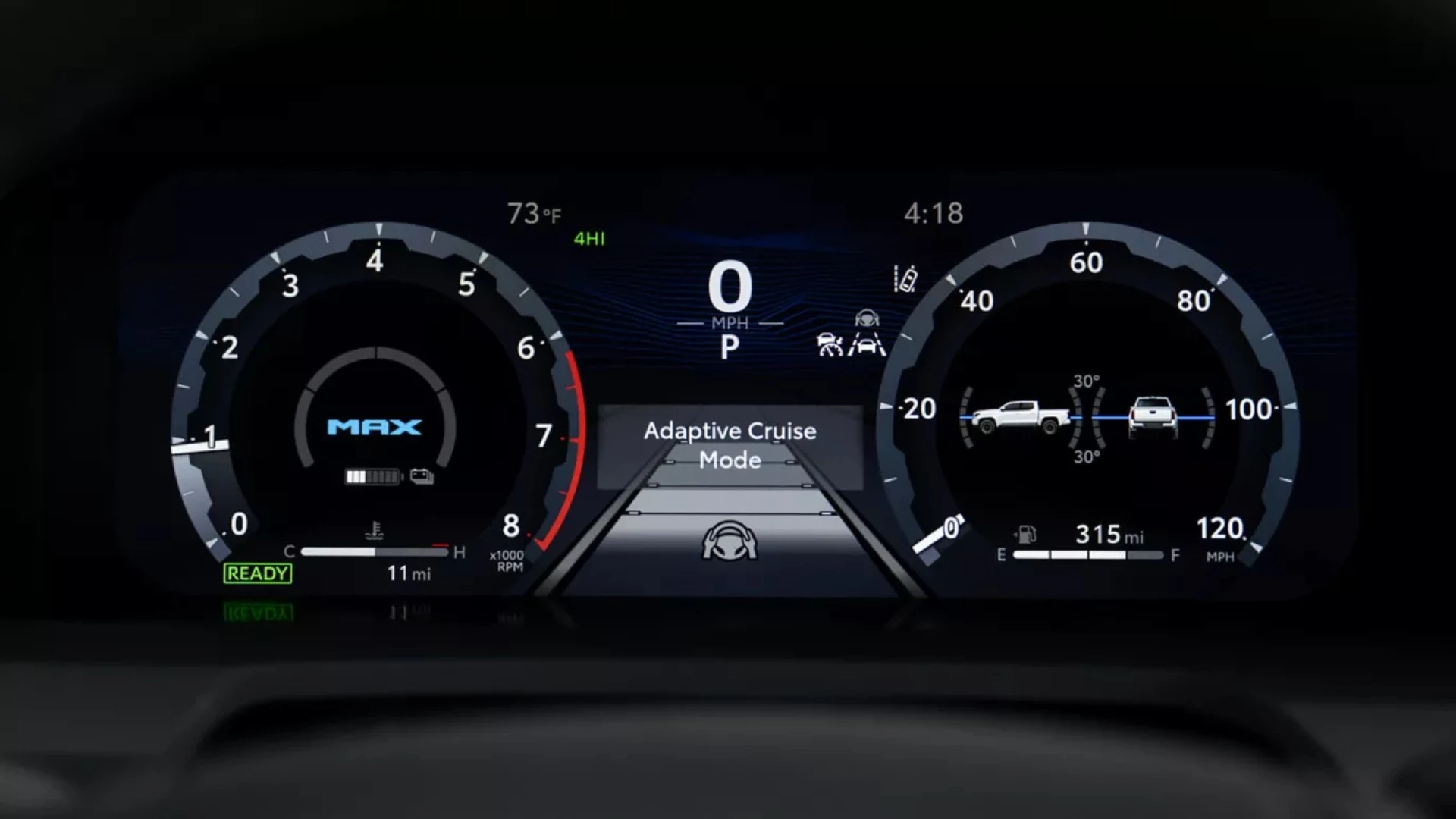
Akihiro Sarada, president of Toyota Software Development Center, said that the company is not just pursuing the reduction of traffic fatalities to zero, but hopes to completely eliminate all traffic accidents and regards autonomous driving as a necessary technical means to build a safe travel environment. He also admitted that whether to retain an "off button" is still an issue that requires detailed study and weighing within Toyota. In other words, some safety systems on vehicles in the future may move from "on by default and can be turned off" to "permanently on and users have no right to turn it off."
However, Toyota is also envisioning rare exception scenarios. One of the current directions of discussion is to allow drivers to temporarily turn off certain safety features and enjoy a freer control experience on specific public roads when the software can confirm that there are no other vehicles or pedestrians around, or in environments such as closed racetracks. Akihiro Sarada mentioned that in areas such as race tracks, autonomous driving and manual driving can exist side by side, and drivers should retain a certain amount of discretion in areas where they are allowed to "enjoy driving."
The reason why this issue is sensitive is that drivers themselves have extremely divided attitudes towards safety configurations. A study analyzing more than 480,000 claims shows that about one in five drivers prefer to turn off safety features on their vehicles. Among those who have opted out, about 69% of respondents find these systems "annoying, distracting, or overly sensitive," 23% feel they don't need the features, and 13% say they don't trust the technology. This set of data highlights the obvious gap between car companies’ system development concepts and drivers’ actual usage habits.
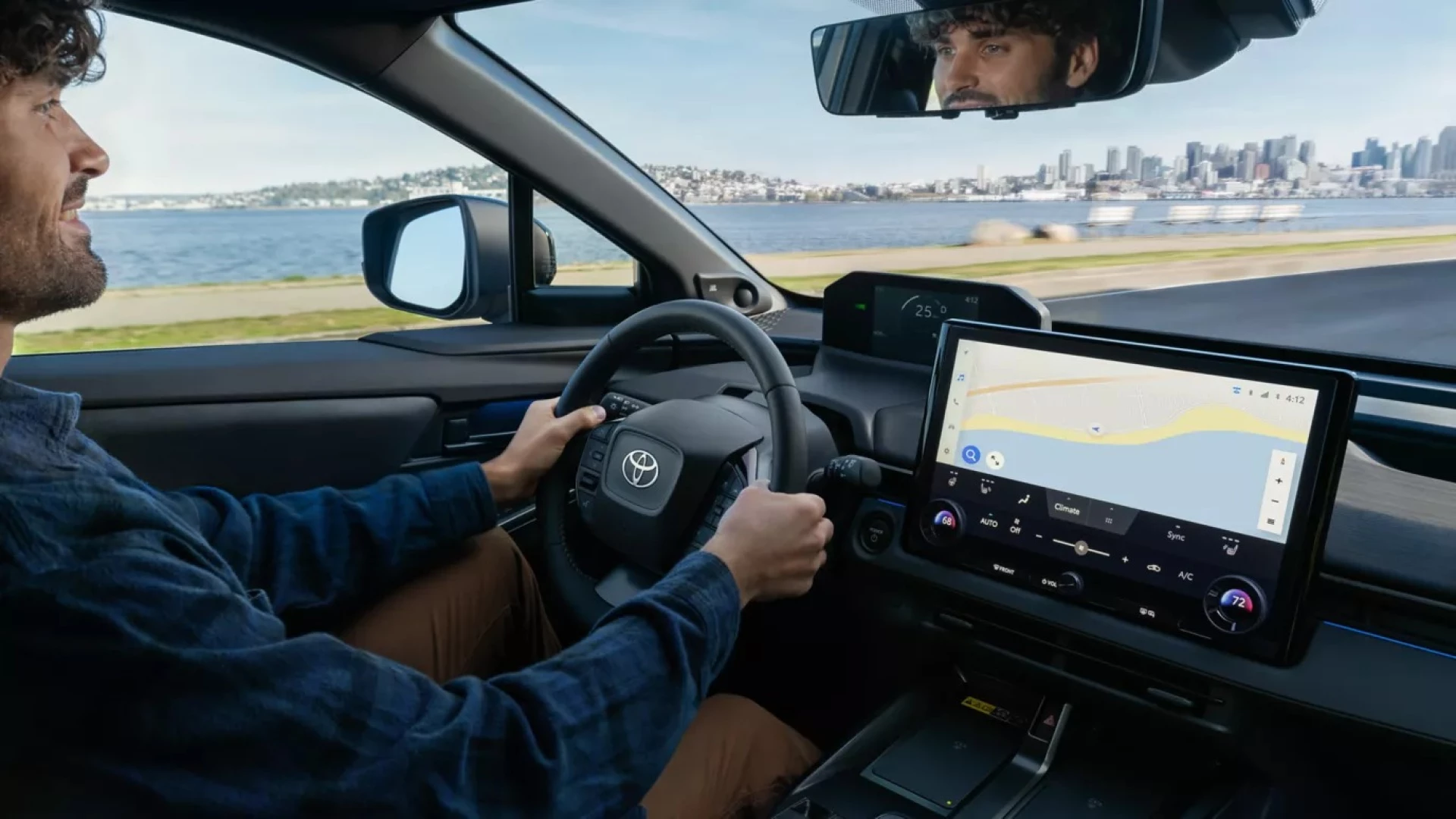
The author of the article also pointed out from personal experience that the first thing many drivers do after getting in the car is to manually turn off automatic start-stop and other configurations, thinking that it is almost meaningless in congested traffic conditions. Some drivers even firmly believe that electronic systems such as so-called "stability control" are "unhelpful" at critical moments. In their view, these functions not only fail to prevent accidents, but in some cases exacerbate the danger.
Toyota emphasized that it still needs to be carefully studied: on the premise of ensuring safety, whether it is necessary to control the power so accurately that it "prohibits the driver from turning off the system according to preference." Akihiro Sarada said that what drivers desire is a sense of excitement and participation in the driving process. In the future, through vehicle network data, the system can issue a prompt to the driver that "you can drive more enjoyably" under safe conditions, and provide early warning before the risk increases after a few seconds. This means that even in areas with limited "delegation", the algorithm will continue to monitor the environment. Once a vehicle, motorcycle or pedestrian is detected approaching, the system may prevent the driver from turning off functions such as lane keeping and speed limit assistance.
The concern in the industry is that Toyota has always been at the forefront of safety regulations, and its actions are often quickly copied by other brands. For example, Toyota and Lexus were the first to set up a temporary locking mechanism in their car systems that "disables navigation operation while driving", and was subsequently followed by many manufacturers. Therefore, once Toyota officially decides to limit safety configuration shutdown permissions on mass-produced vehicles, it is likely to form a "chain reaction" within the industry and further tighten the driver's direct control space over the vehicle. The author bluntly said that this trend is disturbing because it means that the vehicle will increasingly "make decisions for the driver", while the person who is actually at the helm can do less and less.
At present, Toyota has not announced a specific implementation timetable or applicable model range, but the debate surrounding "safety first" and "driving freedom" has continued to ferment in the automotive circle and car owner groups.