Mozilla is building a large-scale new interface design for its browser Firefox, internally codenamed "Nova". Features include more rounded tabs and address bars, a soft macaron color scheme, a refreshed new tab page, and floating "island" interface elements. The design drawings currently exposed are only early models, and the actual product interface is still likely to change during the development process.
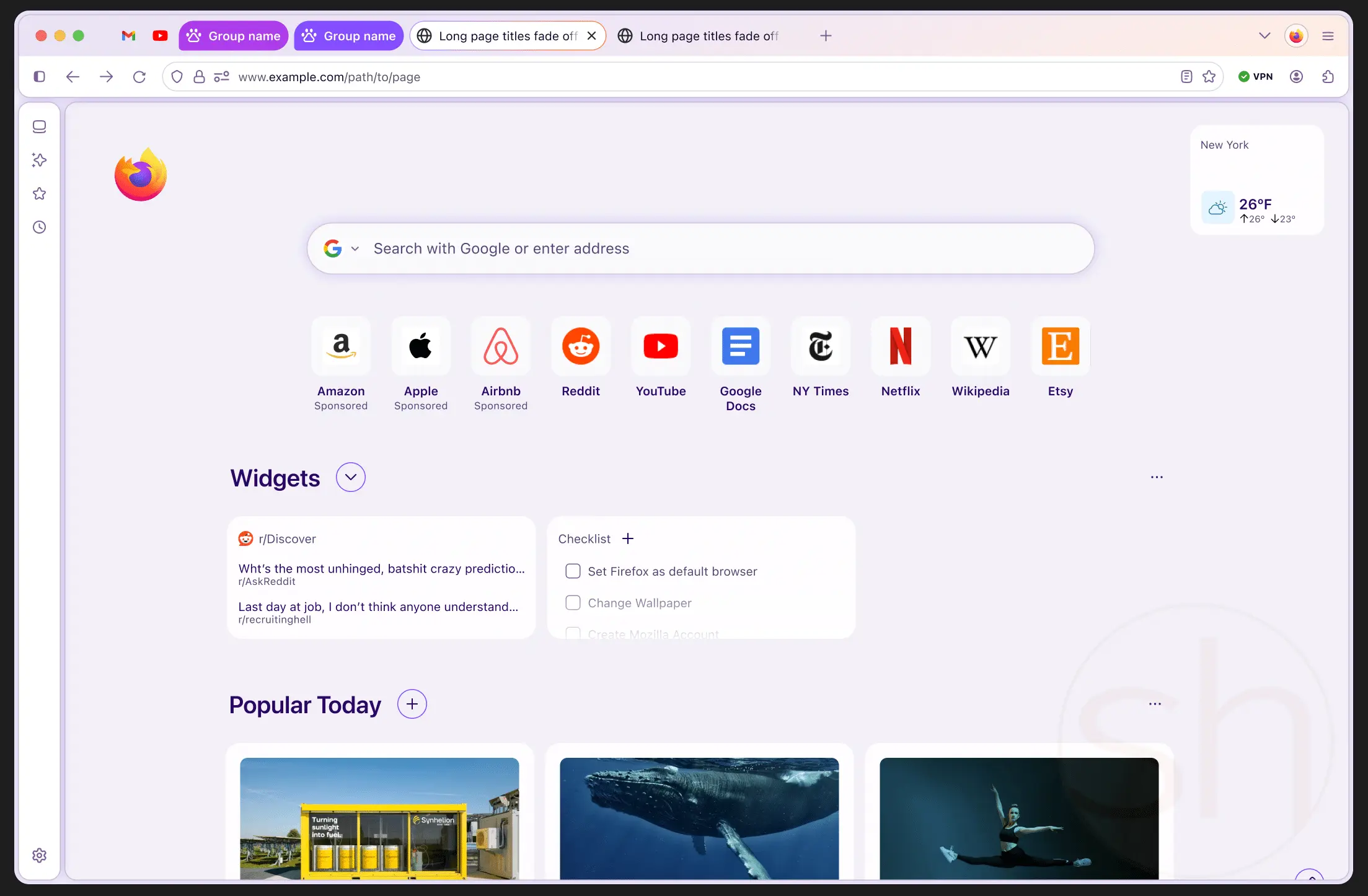
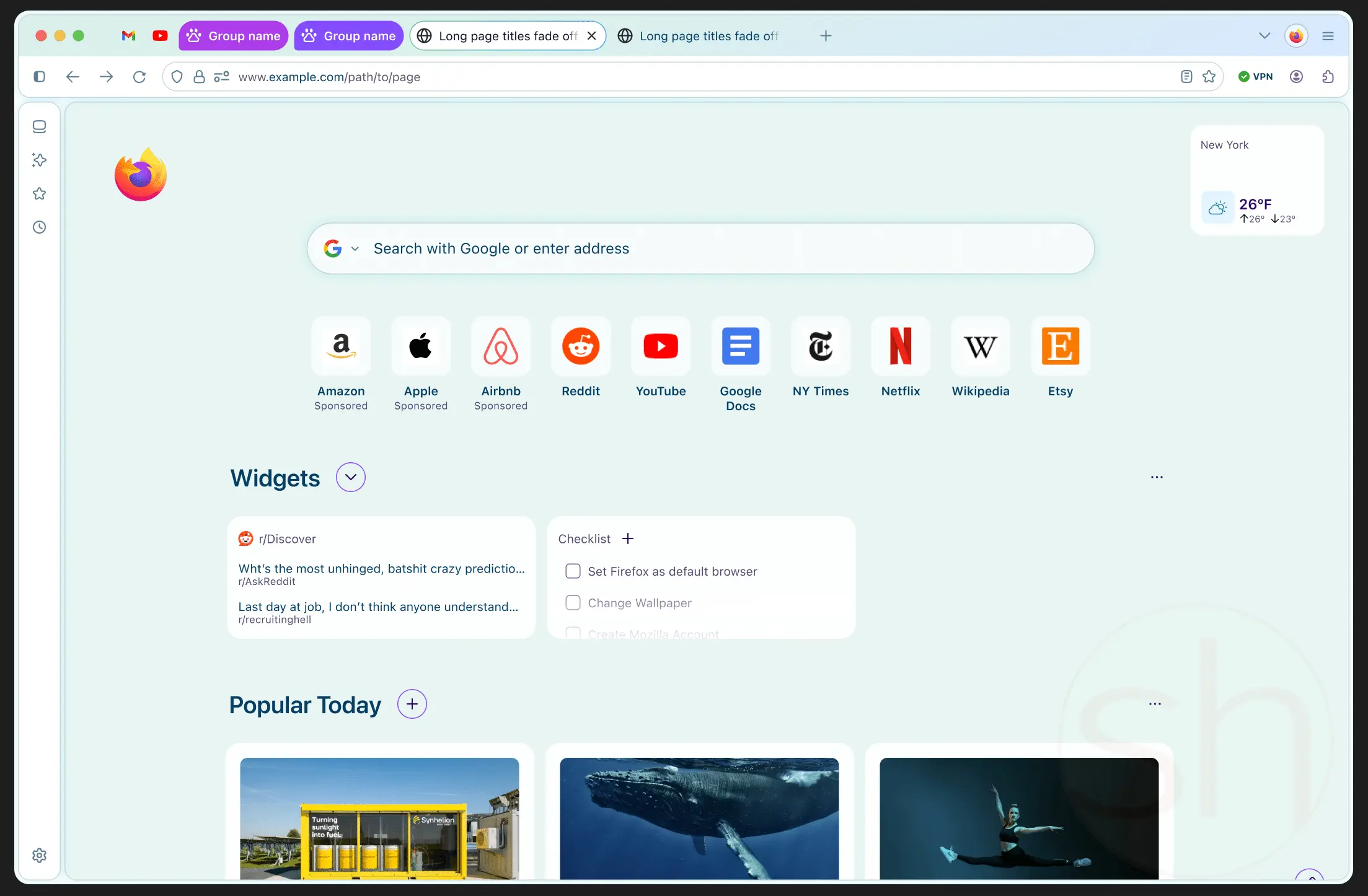
The Nova design was first disclosed by web developer and open source extension author Sören Hentzschel. He released a batch of interface renderings showing the overall appearance of Firefox under the new design language. Judging from these models, Nova obviously borrowed some ideas from Google Material You, especially the "dynamic color picking" feature: the browser's main color will automatically adjust based on the system or desktop wallpaper. For example, when the user sets the desktop background to mint green, the top navigation bar will change to the same color, making the overall style of the browser and the system more unified.
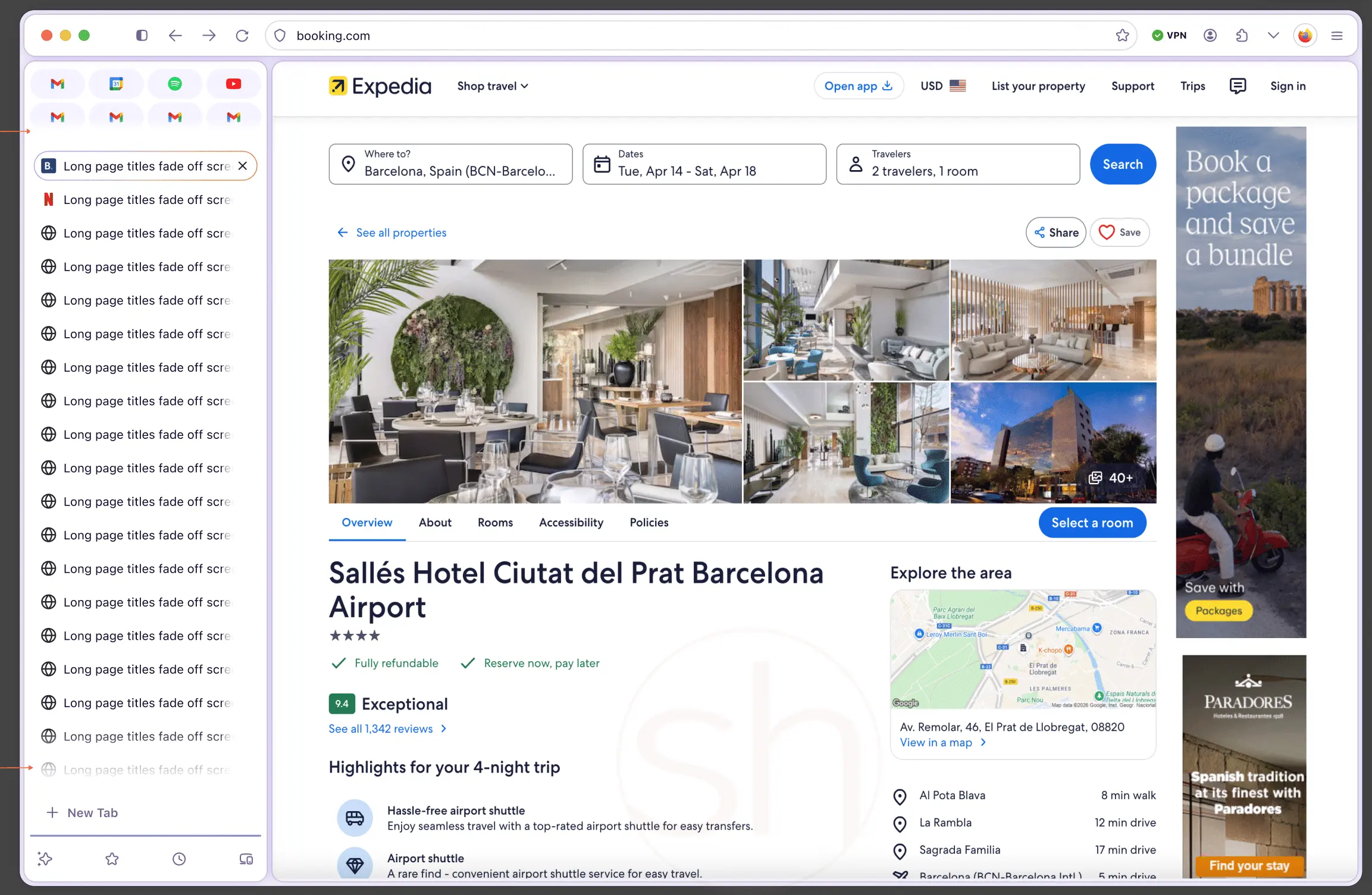
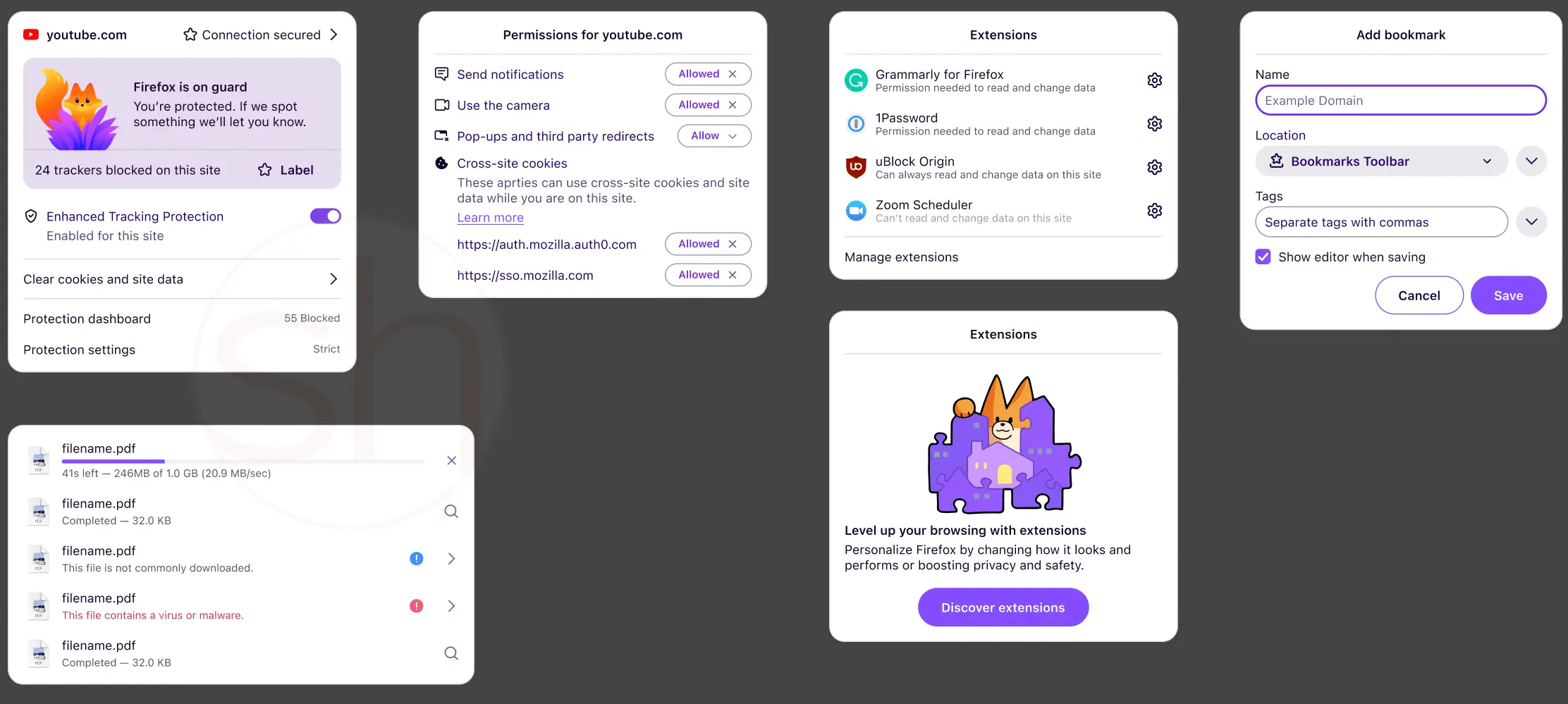
In terms of layout, Nova not only retains the traditional horizontal tab page, but also displays the form of a vertical tab bar. The overall look and feel is slightly similar to the Arc browser launched by The Browser Company. The vertical tab page, combined with rounded corners and new colors, makes the sidebar more visually recognizable and provides another way to organize information for multi-tab users. At the same time, many interface elements such as the download panel, site security panel, extended management dialog box, and site permission pop-up window also use the same Nova design language, presenting a more unified and lightweight style.
For developers and advanced users interested in progress, Nova's development process can be tracked through Mozilla's Bugzilla platform, and related task entries are already online. Mozilla has also prepared Figma design documents for Nova, but access is currently only open to internal developers, and ordinary users cannot directly view the detailed design specifications.
Historically, Mozilla has made drastic UI tweaks to Firefox many times. Back in 2017, Firefox 57 introduced a design codenamed "Photon," which brought square tabs and merged search and address bars to the browser. In June 2021, the "Proton" interface update released with Firefox 89 focused on "removing visual noise" and made the overall interface simpler by streamlining the menu and layout.
However, not all of Mozilla's interface overhauls have been successful. A prime example is “Firefox Metro,” launched in 2012, which attempted to create a new version of the browser for Windows 8’s touch-first interface. At that time, the team developed both traditional desktop applications and touch-adapted Metro applications, but Metro mode could only be enabled after the user set Firefox as the system's default browser. Due to the lukewarm response and extremely low usage of this version among the user community, the project was officially stopped in 2014 after two years of development. Its preview version had been released earlier through the Aurora channel.
At present, Nova is still in the early development stage, and the final rendering effect has not yet been finalized. However, judging from the available information, this will be another important attempt by Mozilla to refresh the image of Firefox by completely reshaping the interface after Photon and Proton. For users who are accustomed to using Firefox frequently, this design code-named "Nova" will likely redefine their daily use experience in a future version.