Nintendo of America recently filed a lawsuit with the U.S. Court of International Trade, asking the U.S. government to refund the tariffs it paid during the Trump era and pay corresponding interest on the grounds that these tariffs have been ruled "illegal." Nintendo pointed out in the complaint that these tariffs stemmed from the "reciprocal tariffs" unilaterally imposed by then-President Trump in accordance with the International Emergency Economic Powers Act (IEEPA). The Supreme Court ruled that this practice was illegal last month, but did not clarify the specific mechanism for how companies should receive compensation and tax refunds.
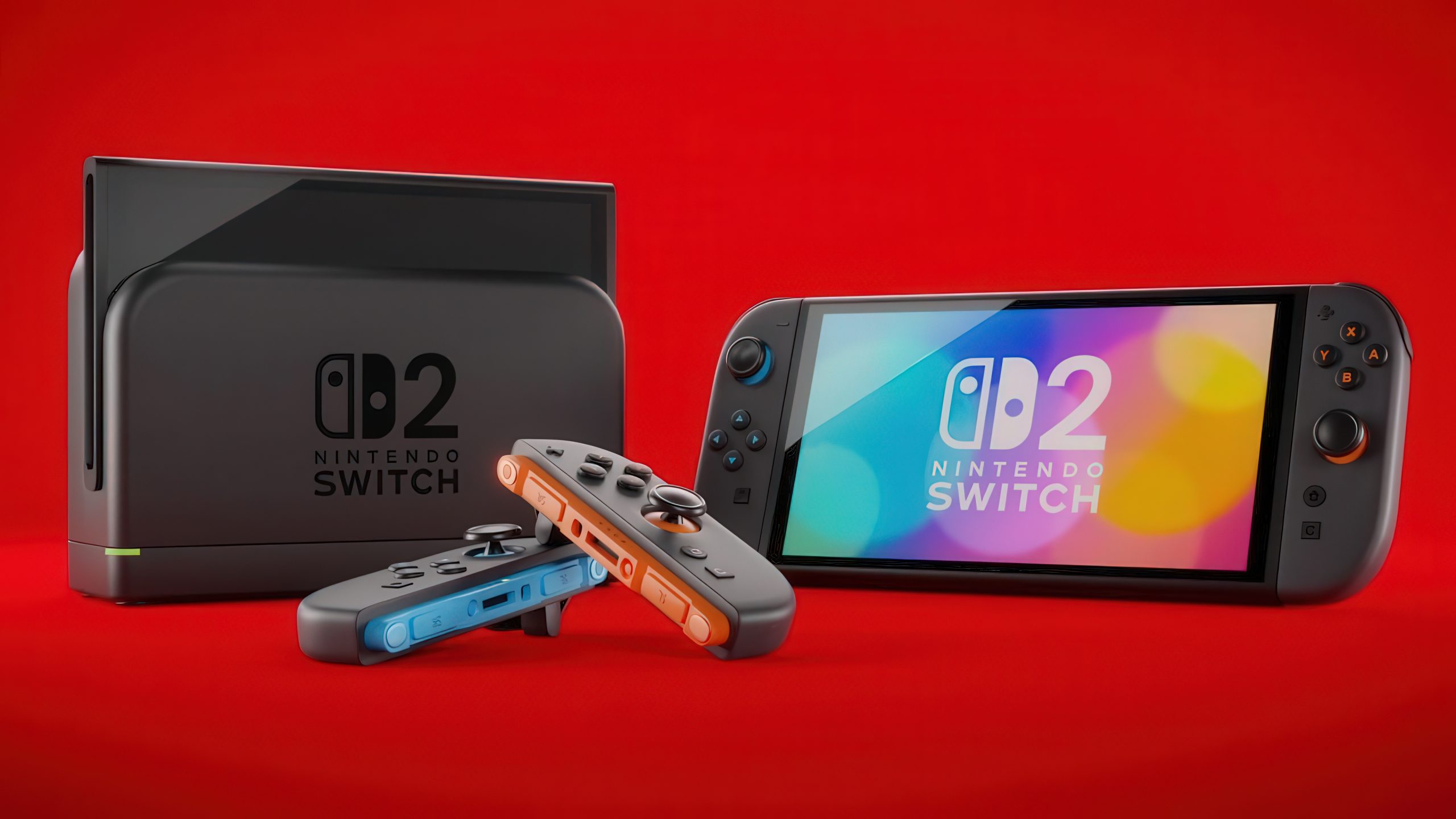
According to public information, Nintendo encountered a new round of tariff policy uncertainty when it announced the launch plan of its next-generation console Switch 2 last year. Nintendo originally planned to open U.S. pre-orders for Switch 2 on April 9 last year. On the same day, Trump announced that he planned to implement a new round of extensive tariffs on imported goods from many countries. Nintendo immediately postponed pre-order arrangements in the U.S. market to assess the possible impact of tariffs. Afterwards, although the Switch 2 was launched in the United States as planned, the company raised the prices of many accessories to offset the cost pressure of tariffs.
In the latest lawsuit, Nintendo asked the court to order the customs and relevant government departments to refund all taxes paid under the tariff framework and pay interest as required to compensate for the economic losses suffered by the company due to the "illegal implementation" of the policy. Nintendo's actions are also seen as one of the rights protection cases of large multinational companies driven by relevant Supreme Court rulings, and are expected to provide a judicial path reference for other companies also affected by Trump's tariffs.
In addition to Nintendo, express delivery giant FedEx has also previously filed a lawsuit in the same court, requesting the U.S. government to "fully refund" the taxes it paid under relevant tariff policies. FedEx said that if it successfully obtains a refund, it will return the funds to the shippers and consumers who originally bore the cost to compensate for the overpayment under Trump's tariff policy. Industry observers pointed out that as more multinational companies join the ranks of claims, the economic and legal consequences of the Trump-era tariff policies are being reflected in the U.S. judicial system through a series of lawsuits.
Related articles:
Switch 2 produced in China may face 145% tariff in the United States
Nintendo President Shuntaro Furukawa says Switch 2 price will not rule out rising due to tariffs