Angela Lipps, a 50-year-old grandmother living in Tennessee, USA, is now trying to rebuild her life. Previously, an artificial intelligence facial recognition system mistakenly identified her as a suspect in a bank fraud investigation, causing her to spend nearly six months in jail.
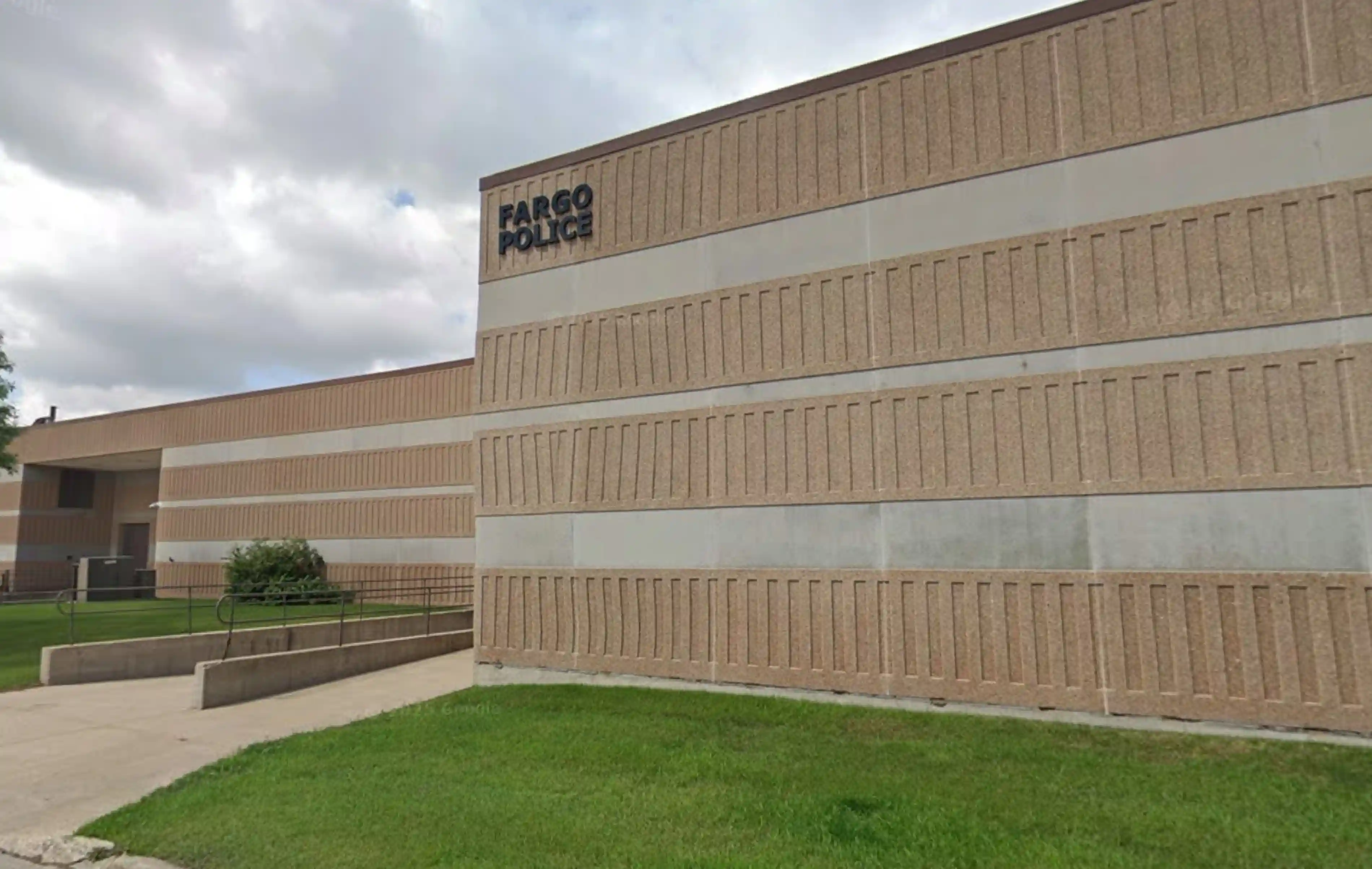
According to local media reports in southeastern North Dakota, the Fargo police used facial recognition software to compare surveillance footage and identify Lipps' name when investigating an organized bank fraud case. A woman was caught on surveillance using a fake U.S. Army identification card to withdraw tens of thousands of dollars in cash from a bank account, police said. Investigators wrote in court documents that the suspect "matched" Lipps' facial features, body shape and hairstyle.
However, Lipps insisted that he had never been to North Dakota, did not know anyone there, and was not involved in any related crimes. She said she had lived in north-central Tennessee almost her entire life and had never even flown on a plane until she was put on a plane to attend court in North Dakota.
In July last year, U.S. Marshals suddenly came to her home in Tennessee and arrested her while she was helping to take care of her four children. Lipps recalled being taken away at gunpoint and then booked into the local county jail as a "fugitive suspect from North Dakota." She was charged with four counts of "unauthorized use of another's personally identifiable information" and four counts of theft.
Since then, Lipps has spent nearly four months in a Tennessee jail without bail or being transported out of the state. According to local reports, there were 108 days between her arrest in July and her transport to North Dakota at the end of October. She did not make her first appearance in a North Dakota court until the day after arriving in Fargo.
Lipps said she was never contacted by Fargo police and no one attempted to verify her identity or whereabouts before her arrest. Her defense attorney, Jay Greenwood, criticized that if the investigating party's "only evidence is the facial recognition results, then perhaps it should continue to investigate further."
The case took a turn for the worse on Christmas Eve. Greenwood's attorney obtained Lipps' bank statements and related records and submitted them to investigators. The records show Lipps was in Tennessee, more than 1,200 miles away from Fargo, during the time of the alleged crimes. Lipps was released on Christmas Eve after this evidence emerged.
Although the criminal charges were eventually dropped, Lipps' return to Tennessee was not smooth. Fargo police, she said, did not cover the cost of the return trip and left her there. Several local defense attorneys helped pay for her hotel and meals on Christmas Eve and Christmas Day, and a local nonprofit called the F5 Project helped raise funds to return to Tennessee.
After regaining his freedom, Lipps found that what awaited him was a shattered life. During nearly half a year in custody, she lost her home, her car, and even her beloved dog because she was unable to work and pay her bills. She also said that to date, she has not received any apology from Fargo police.
This incident has once again raised concerns about the use of artificial intelligence technology by the police. In the past few months, there have been many cases of AI recognition errors and innocent people being treated as suspects, which has attracted attention. In October last year, an AI weapon detection system used by a high school in Baltimore, Maryland, USA, misidentified a bag of potato chips in a student's hand as a gun and immediately called the police. As a result, the student was stopped, knelt down and searched by armed police officers on the spot. In the end, nothing was found. Earlier this year, British police arrested a South Asian man because facial recognition software mistakenly matched him with a suspect in a burglary more than 100 miles away. It was later confirmed that he had arrested the wrong person.
At a time when technology is rapidly penetrating into the police case-handling process, Lipps' experience has become a clear example: when artificial intelligence is given more and more decision-making powers, but lacks sufficient manual review and supporting guarantees, the cost of incorrect identification is often borne by ordinary people who are least able to resist.