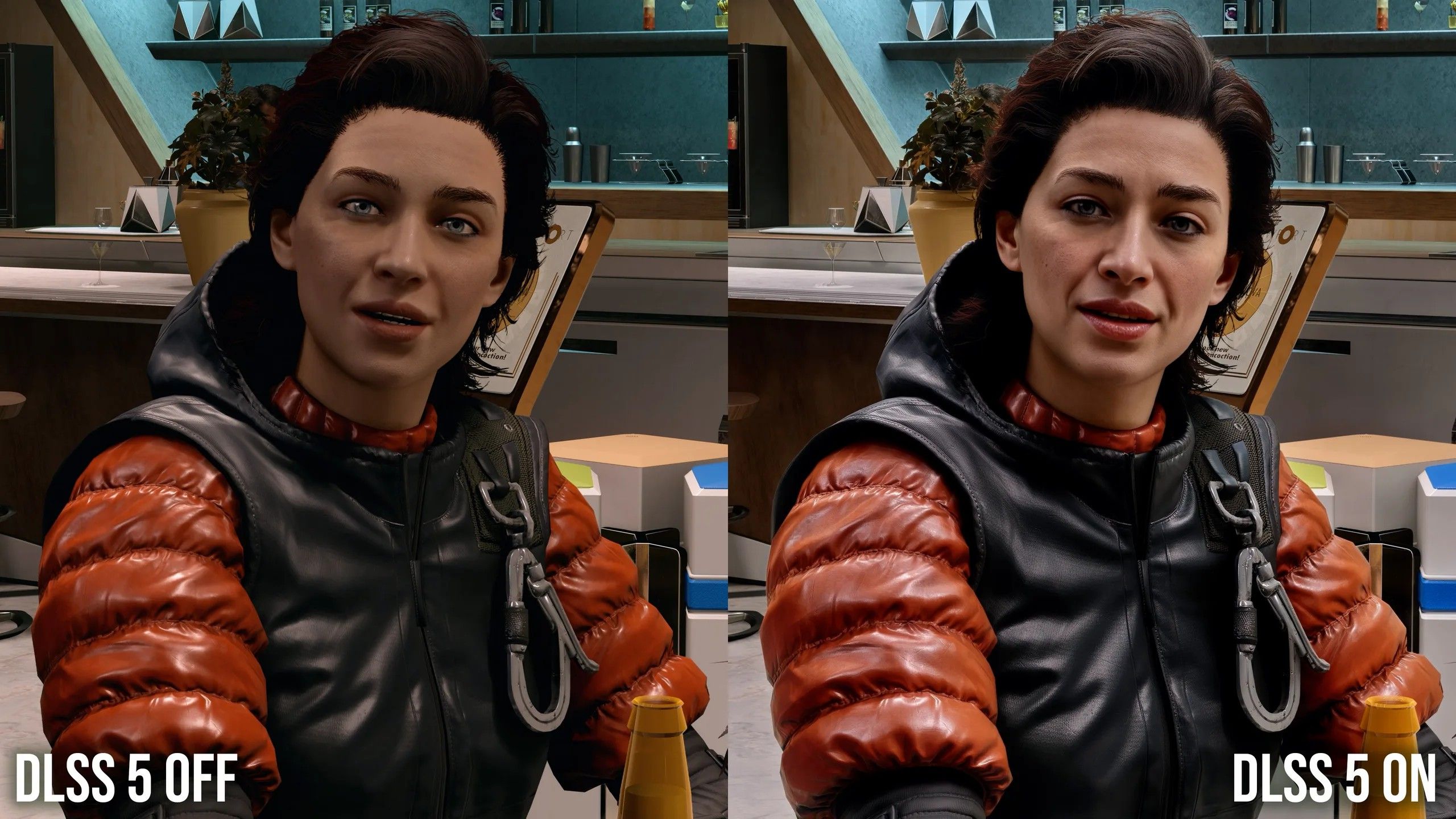
Yesterday we reported that at GTC 2026, Nvidia publicly demonstrated DLSS 5 technology, but this technology has triggered considerable criticism and doubts from the outside world. Mainly because DLSS 5 will bring huge changes to the picture style (especially faces). Today, IGN also published a column, fiercely criticizing DLSS 5, and bluntly saying that the technology "is simply a slap in the face of the art of game design." A brief translation of this article is as follows:
The author of the article, Simon Cardy, pointed out mercilessly at the beginning: In his opinion, this thing looks terrible. Yes, although the demo we have seen so far is less than a minute, but if this is the future direction of game graphics technology in the eyes of these technology giants, then he may have no choice but to quit.
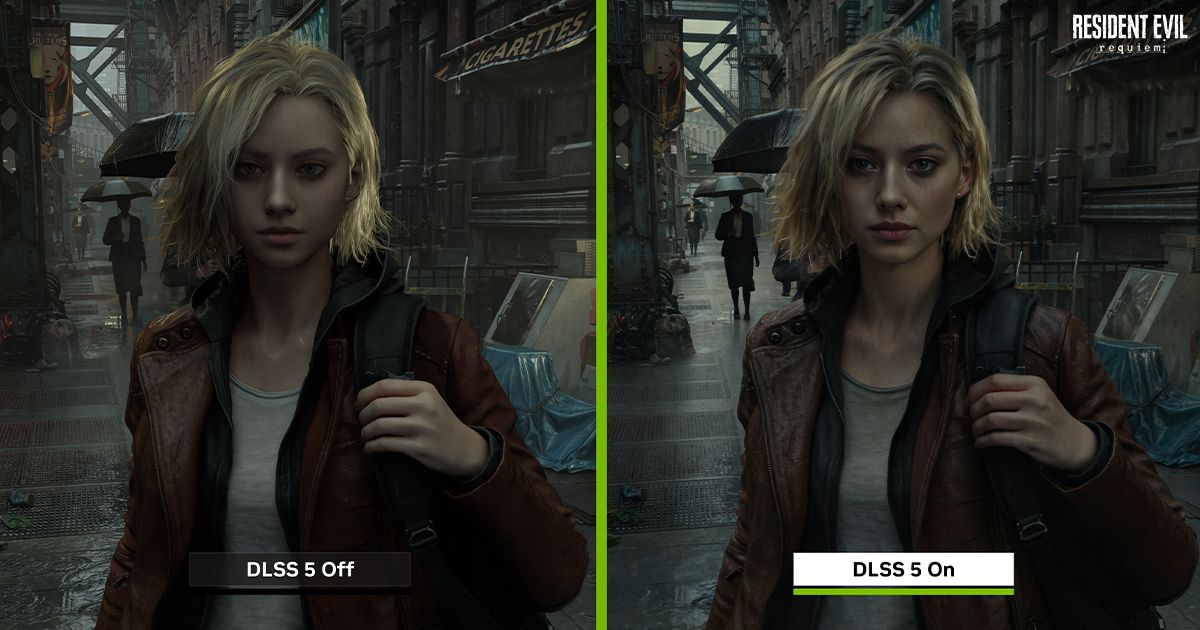
He commented that Grace in "Resident Evil 9: Requiem" was overly "internet-famous" under the influence of DLSS 5: her face was so smooth that she lost her original personality, as if even the sparkle in her eyes had been erased by technology. This over-skinned, unrealistic effect is very similar to what we see in the corners of some app stores, or in ads on websites that can only be browsed in incognito mode.
It directly negates the characters carefully created by Capcom's art team, as if to say: "No, we can do better." But in the end, what is presented is an abrupt "glossy" layer, making the characters jump out of the world of "Resident Evil" instead of integrating into it.
He further pointed out that he plays games to experience the developers' carefully polished artistic works-whether they want to take players into a fantasy world or to restore reality as much as possible. But what DLSS 5 gave him was not this kind of experience at all. It was more like "replacing the brush in the human hand with an AI, and then pouring a bucket of oil directly on the canvas. What on earth is this doing?"
He also criticized that AI itself has no artistry and no creative intention. What it does is read the image as a bunch of 0s and 1s, and then "rewrite" it based on the training data.
Although Nvidia emphasizes that the model can "understand complex scene semantics end-to-end, such as characters, hair, cloth and translucent skin, as well as ambient lighting conditions," in Simon Cardy's view, these results only make people feel uncomfortable.
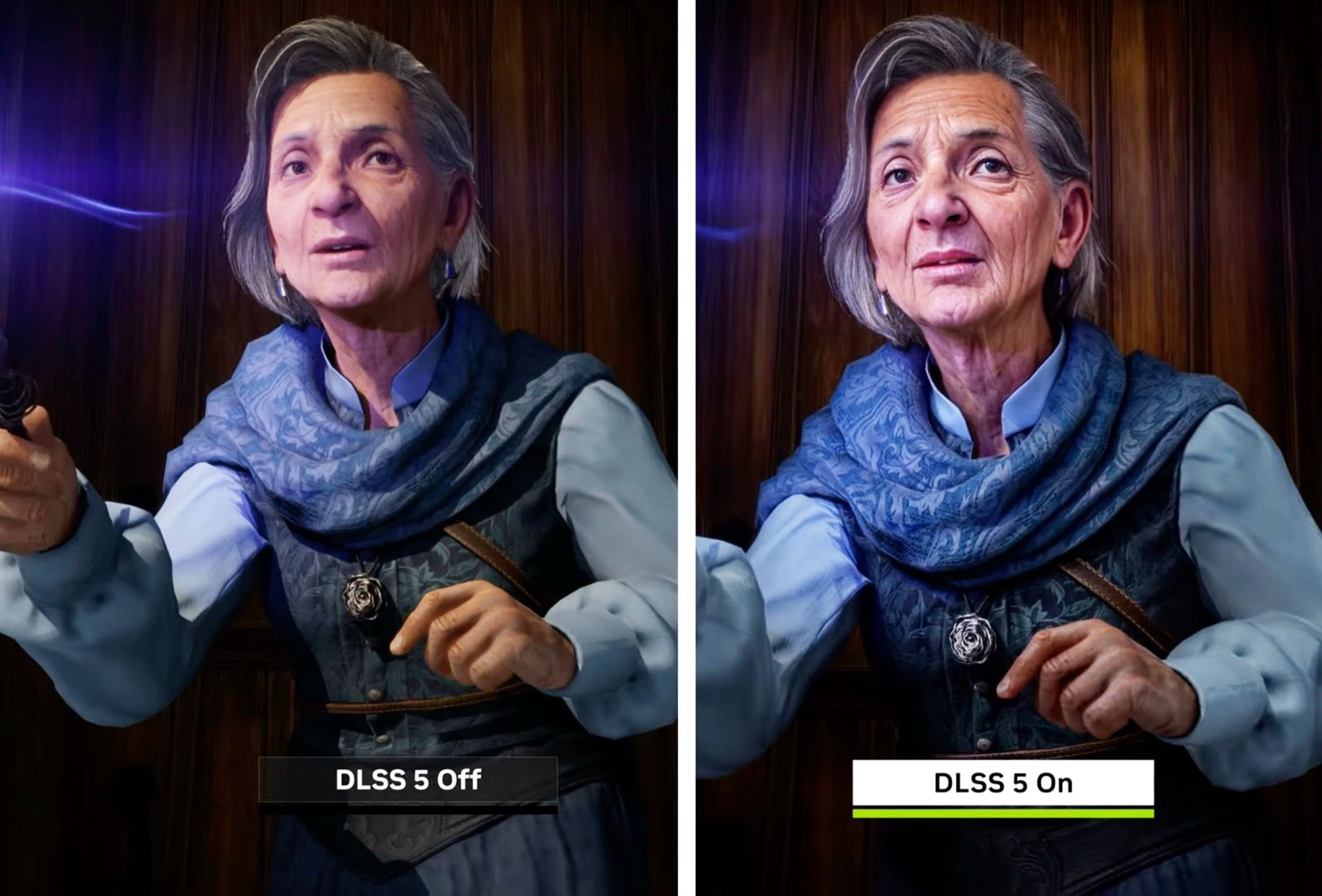
Most of today's game environments have adopted dynamic lighting systems, but the final effects of these systems are still in the hands of developers and technical artists. They can determine the mood of the image and spend a lot of time making sure it fits the overall artistic style. But Nvidia and this set of AI filters clearly believe that they know better "what should be done."
In addition to changes in the screen, he also takes a longer-term view, believing that DLSS 5 may even completely change the emotions conveyed by the story. Art direction occupies an extremely important position in game design. The world and characters that developers have spent years carefully crafting are the key to immersing players in it.
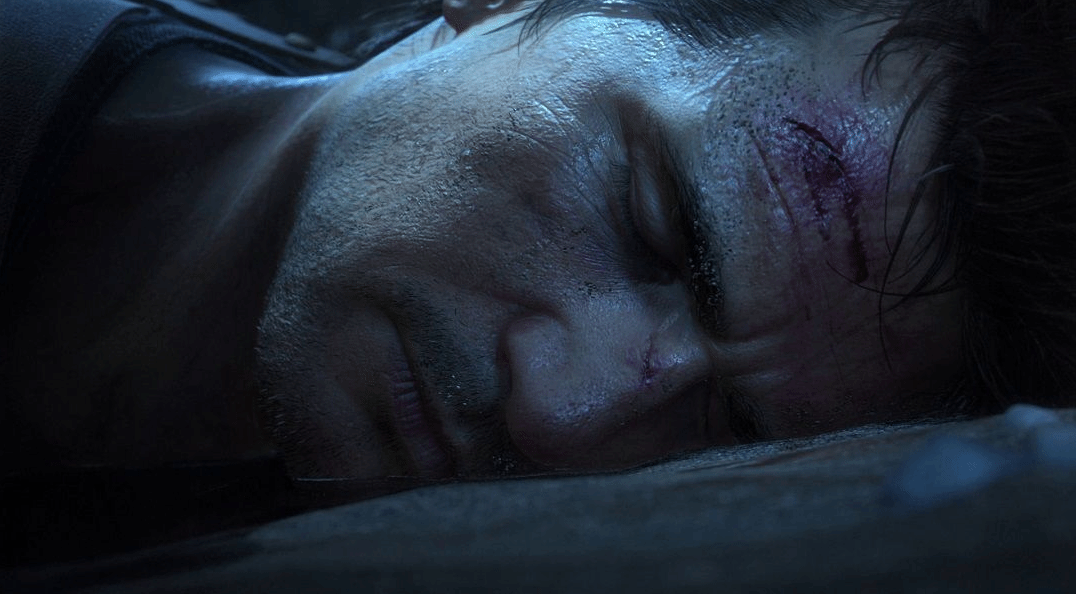
He cited "Uncharted 4" as an example. Nathan Drake's facial details are stunning: the small wrinkles, scrapes and bruises that change as the plot progresses truly reflect the hardships the character has experienced. It was hard for him to imagine that he would want to superimpose an AI filter on top of these exquisite details to recalibrate this imperfect hero into an image that conforms to society's "perfect male" standards. But it’s these imperfections that allow players to relate to the characters.
At the end of the article, he concluded that this feels like the beginning of a new era and a long-term debate that goes far beyond Nvidia's conference this week. It may indeed be optional for existing games, but he worries about what will happen in the future when the development process itself starts to rely more and more on this technology.
He expressed worry: "If we allow this technology to develop, does it mean that the company can reduce the emphasis on carefully polished art direction, only do the minimum work, and then let AI fill in the rest? (...) So I still have to say that this so-called picture upgrade still looks bad - the technology behind it will not be harmed anyway."
When AI begins to "take over" screen performance, do you think this is the inevitable direction of technological progress, or is it an erosion of game art? If one day in the future, the visual style of most games can be "reshaped" with one click, how much meaning will the developer's artistic expression have left?