The poultry we raise are known to lay unfertilized eggs! This behavior is very friendly to humans, but it is very detrimental to poultry, because they need to waste a lot of survival resources to lay an egg. Many people may have wondered why poultry behaves in such a way that benefits others but not self-interest. Is this really in line with biological principles?
Why do poultry lay unfertilized eggs?
In fact, poultry lays unfertilized eggs, which is somewhat similar to the ovulation of lactation. Many mammals also directly expel unfertilized eggs, including humans.
If animals don't expel unfertilized eggs, they need to absorb them, and many animals do, which is relatively energy-efficient.
but,Birds often cannot reabsorb unfertilized eggs, they usually have no choice but to expel unfertilized eggs. There are many reasons for this result.

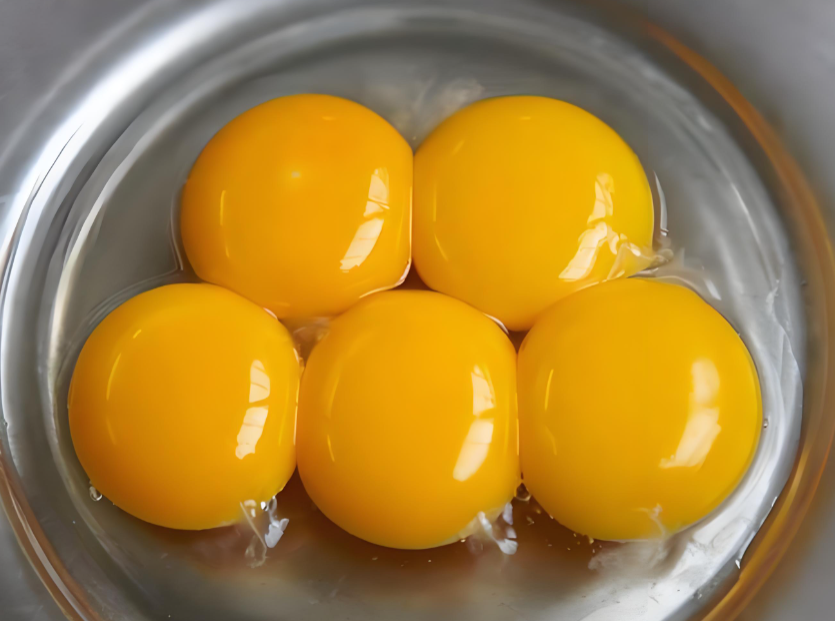
in,The most critical point is that the birds develop a yolk for the egg before it is fertilized.——That is the yolk part we see.
Egg yolk is a "nutrition gift package" given by female birds to their future children. It contains almost all the nutrients needed for the development of the bird embryo until it breaks out of the shell.
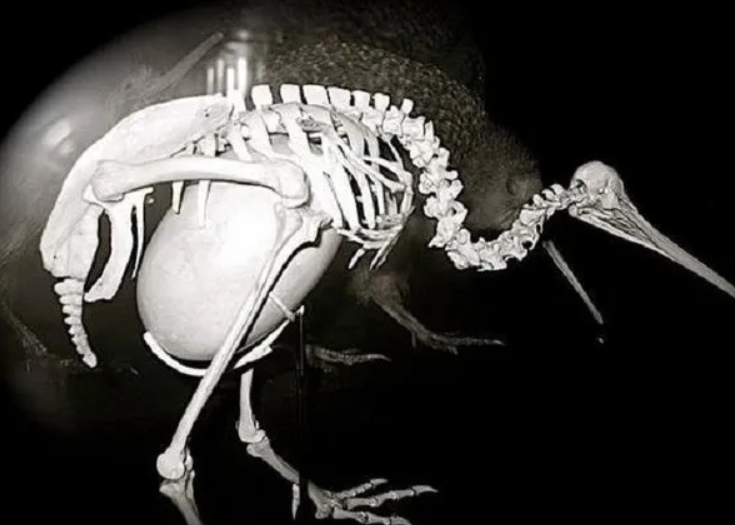
I know that there is a kind of bird. Even after the chick hatches out of its shell, the chick still has a yolk sac hanging on its body. The yolk carried in it continues to provide nutrition for the chick for 10 days. It iskiwi, this bird lays the largest proportion of eggs (egg to mother) and has the largest proportion of yolks.
Birds develop yolks for their eggs early because they have evolved sufficiently complex eggs.If they don't prepare in this way, they may not have time to lay eggs during the short breeding window.
in addition,Another big advantage of developing yolk in advance is that it can greatly increase the speed of egg production., thus laying more eggs during the short breeding window.
You may also be curious,Why is it difficult to absorb unfertilized eggs when yolk is produced in advance?
This is because if the female bird is to absorb the eggs, it must absorb the entire yolk at the same time, which means it needs to spend a lot of time to complete this task, which will cause many problems.
For example, female birds may not be able to continue producing eggs during this period - a common feature of many egg-absorbing animals (these animals often undergo maternal atresia during this period), which may prevent them from truly reproducing;
Carrying a relatively large, heavy yolk also comes with many burdens, such as slowing it down and making it more vulnerable to predators.
on the other hand,Birds only have one system for expelling yolk.The system works like an assembly line, packaging the yolk until the shell is produced and expelled from the body.
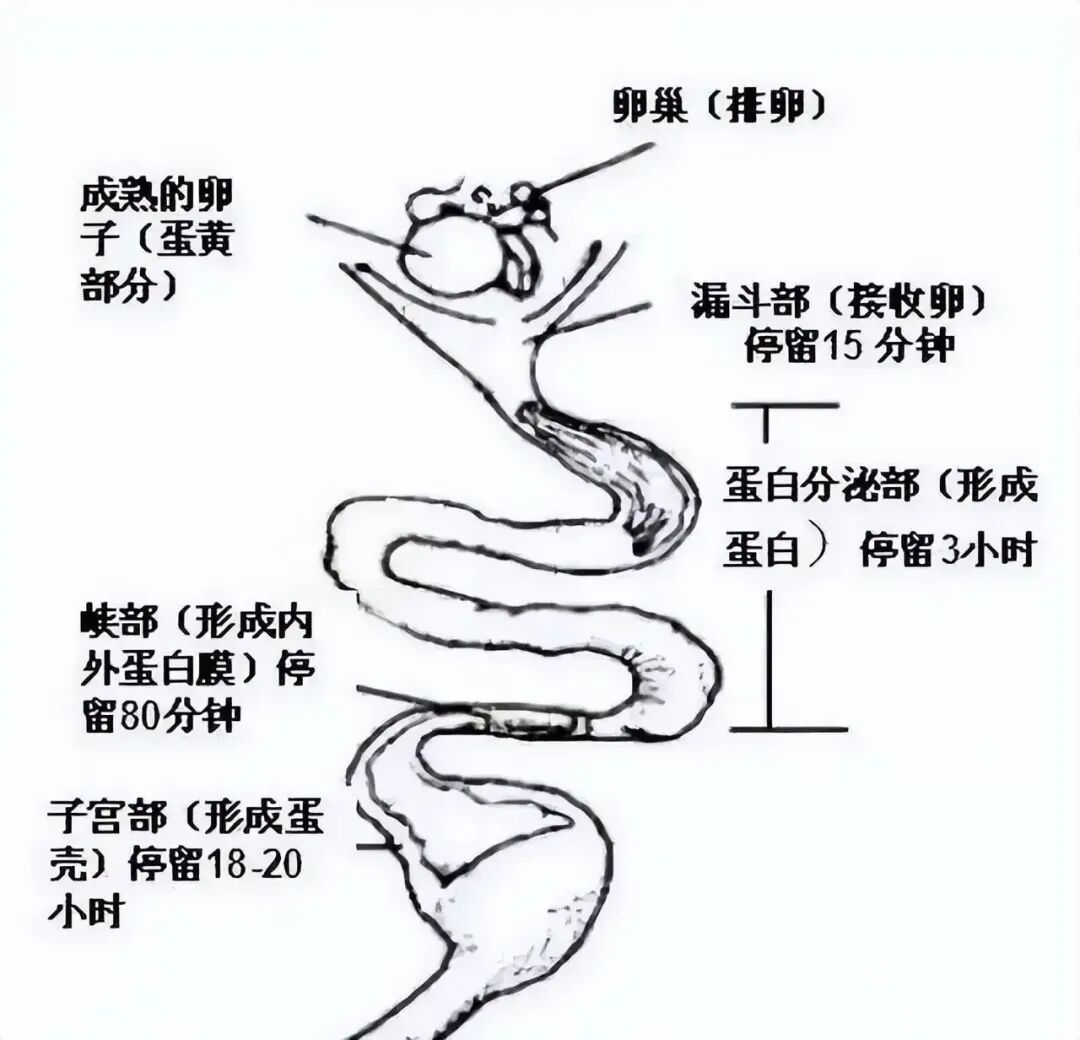
If birds want to treat fertilized and unfertilized eggs differently, for example, only fertilized eggs are wrapped into eggs, while unfertilized eggs are ejected directly without wrapping, then they need another system to complete this task.
This is difficult for evolution to accomplish, and even if it were accomplished it would do far more harm than good.
Therefore, the best option for birds is to package unfertilized eggs into eggs and expel them just like fertilized eggs.
Of course, if possible, a better option is to eat the unfertilized eggs and use the digestive system to reabsorb the nutrients.
However, animals usually can't tell if an egg has been fertilized, they just treat an unfertilized egg like a fertilized egg, so you'll find that even if the egg doesn't hatch, the mother bird will protect it.
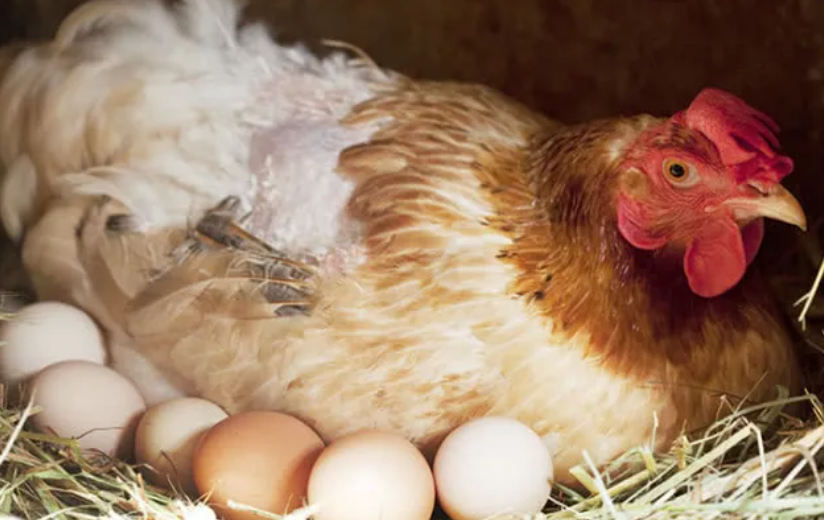
It is worth mentioning thatAll female birds have the physiological structure to produce yolk, and they all produce yolk in advance, so in theory all birds will lay unfertilized eggs, not just poultry.
In fact, the reproductive mechanism of birds is a very efficient mechanism acquired by birds during their long-term evolution, and the discharge of unfertilized eggs is just an insignificant "by-product" of this mechanism.
Although this "by-product" may seem a bit wasteful, under normal circumstances it will not cause losses to the birds.
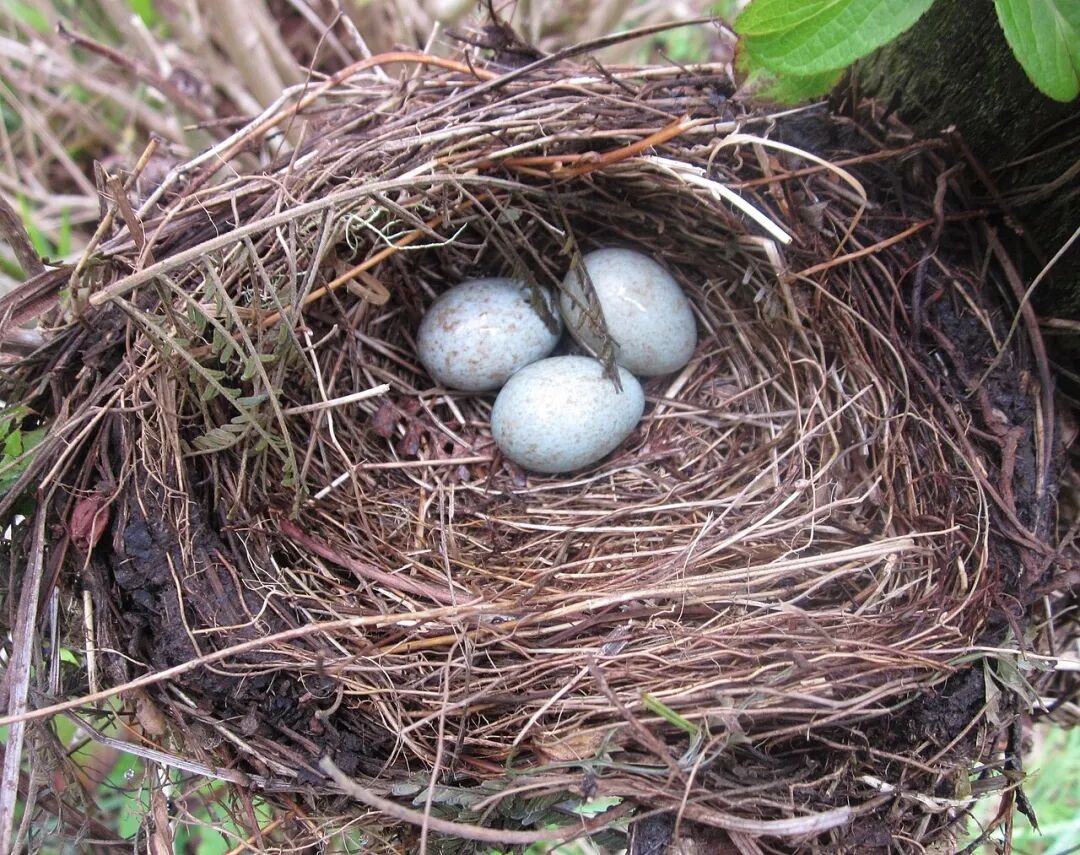
Why is it okay for birds to shed unfertilized eggs?
Because under natural conditions, birds usually do not have the opportunity to expel unfertilized eggs.
The conditions for ovulation of different species of birds are different. Generally, these conditions include: amount of light, amount of food, whether there is a nest, whether there is a male present, etc. These are the most common conditions for female birds to ovulate.
Uncommon ovulation conditions also include whether you eat specific foods, whether you receive specific courtship displays...and so on.
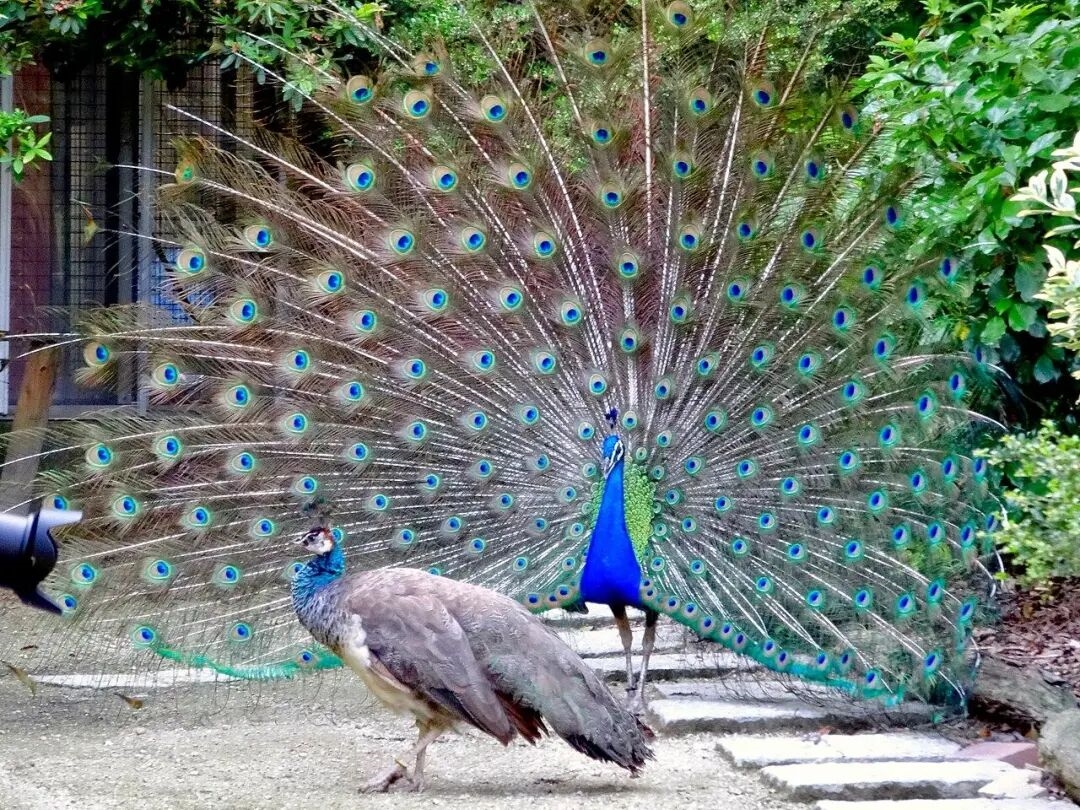
Only when the conditions are met, female birds will secrete corresponding hormones, and finally, under the stimulation of these hormones, they will ovulate.
And once their ovulation conditions are met, it means that they can basically complete fertilization.
so,Under natural conditions, there is basically no problem with their egg-laying mechanism.
The characteristic of modern poultry that constantly lays unfertilized eggs is simply the result of long-term domestication - people have been selecting individuals that are more likely to lay eggs.
In fact, poultry still retains many of the necessary conditions for ovulation, such as sufficient light, amount of food, presence of males around, etc.
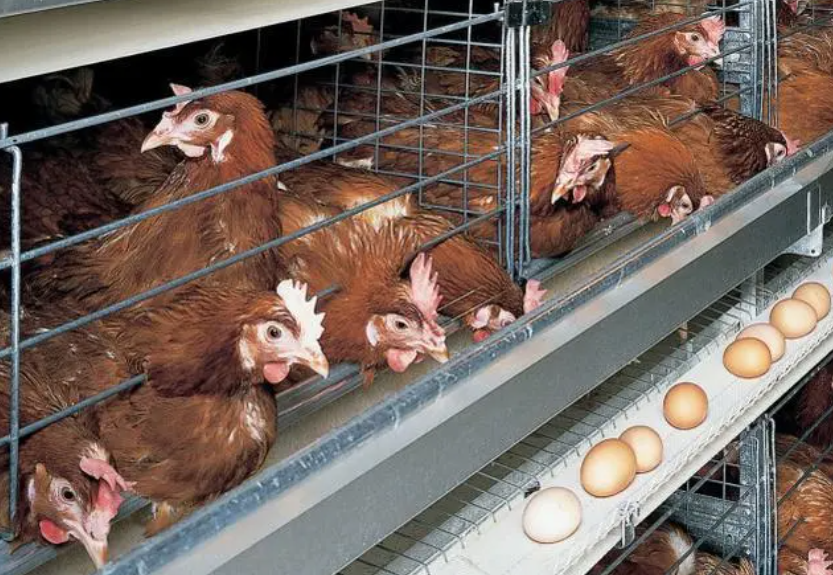
However, these conditions have also been clearly explored by humans. In order to obtain more eggs, farmers can light up the laying hens for 16 hours or more a day, feed them continuously, and provide roosters around them, etc.
It can be said that humans not only domesticated laying hens that physiologically produce more eggs, but also used their ovulation conditions to continuously increase the pressure to make them lay more eggs.