On March 23, Reuters reported that federal judge Tanya Chutkan in Washington, D.C., ruled to allow a lawsuit against Elon Musk to proceed. The lawsuit accuses Musk of unconstitutionally exercising executive power last year while serving as a presidential adviser in the Donald Trump administration and leading the Department of Government Effectiveness (DOGE) program.
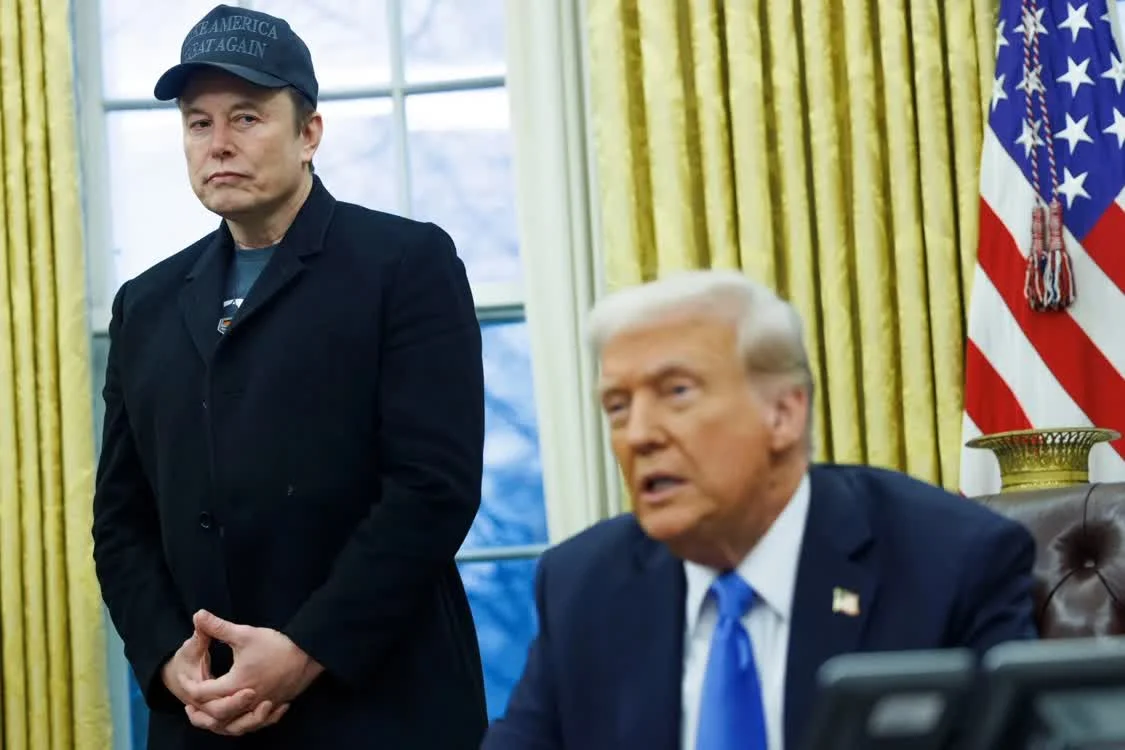
Multiple non-profit organizations argued in this case that Musk played an illegal and excessive role in directing cuts in federal funding and large-scale layoffs of government employees, causing damage to the interests of relevant agencies and members.A judge on Monday rejected the U.S. government's request to dismiss the case outright. While the court rejected some of the overbroad claims that DOGE illegally engineered layoffs, it agreed with the plaintiffs in moving forward with their core claim that Musk (or any official leading the agency) violated the Appointments Clause of the U.S. Constitution by exercising powers similar to those of a Cabinet official who requires Senate confirmation.
Although the Trump administration has previously insisted that Musk was not the official administrator of the office, the judge noted in the ruling that the preliminary complaint fully demonstrated that the head of DOGE was personally involved in making major decisions such as terminating federal grants, contracts and laying off workers.Musk stepped down from the post last spring, but the legal controversy surrounding his time in the government continues to grow.Currently, another constitutional case involving DOGE's shutdown of the United States Agency for International Development (USAID) is pending in federal court in Maryland. At the same time, the U.S. Department of Justice has asked the U.S. Supreme Court to intervene in an attempt to prevent government watchdog groups from obtaining inside information and testimony about DOGE’s structure and activities.