The Lockheed U-2 "Dragon Lady" high-altitude reconnaissance aircraft, which was famous during the Cold War, is ushering in a new life through a key electronic warfare upgrade. BAE Systems will equip it with an upgraded version of the AN/ALQ-221 Advanced Defense System (ADS) to deal with more complex contemporary radar detection and electronic warfare threats and extend the service life of this aircraft.
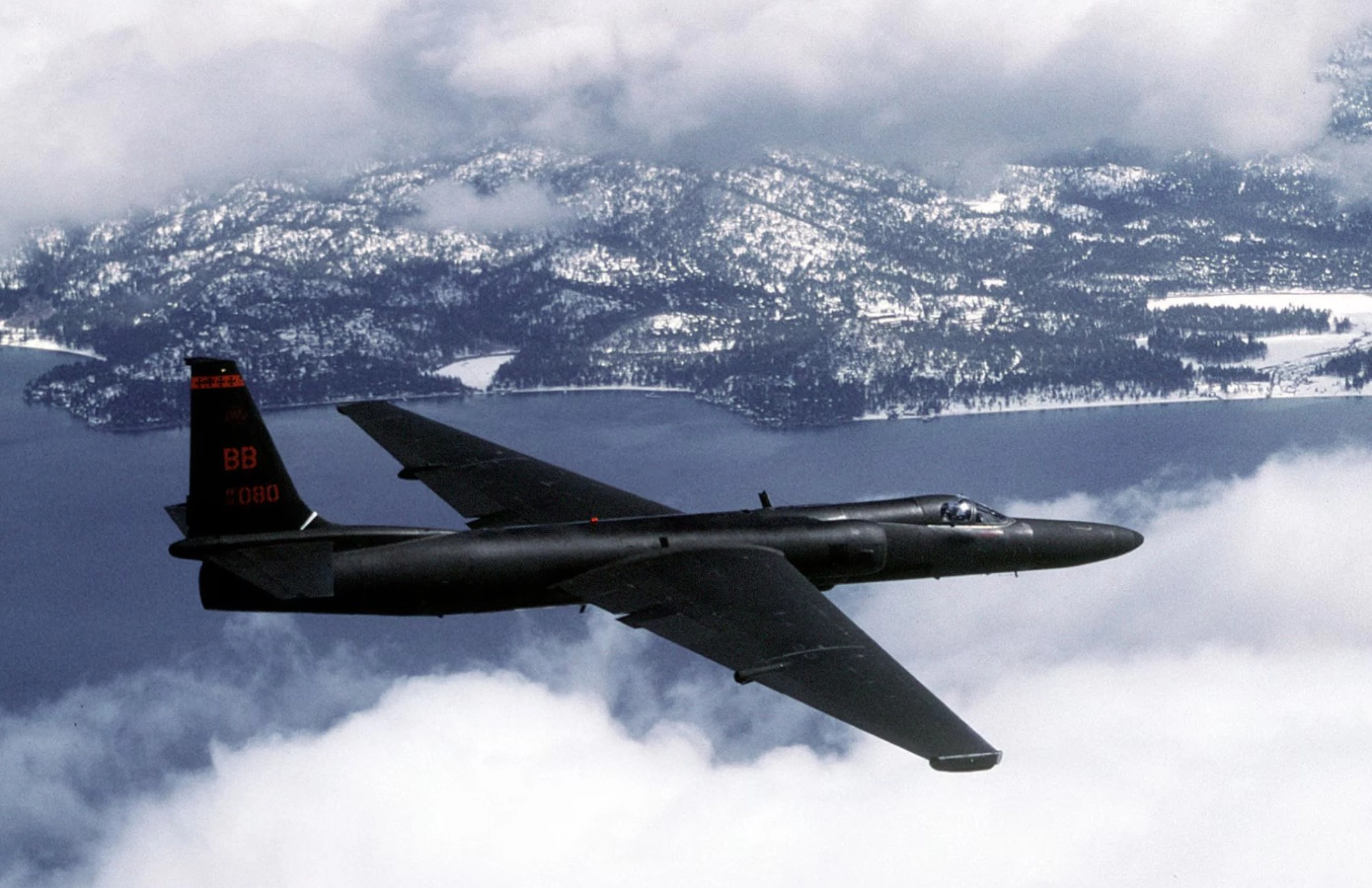
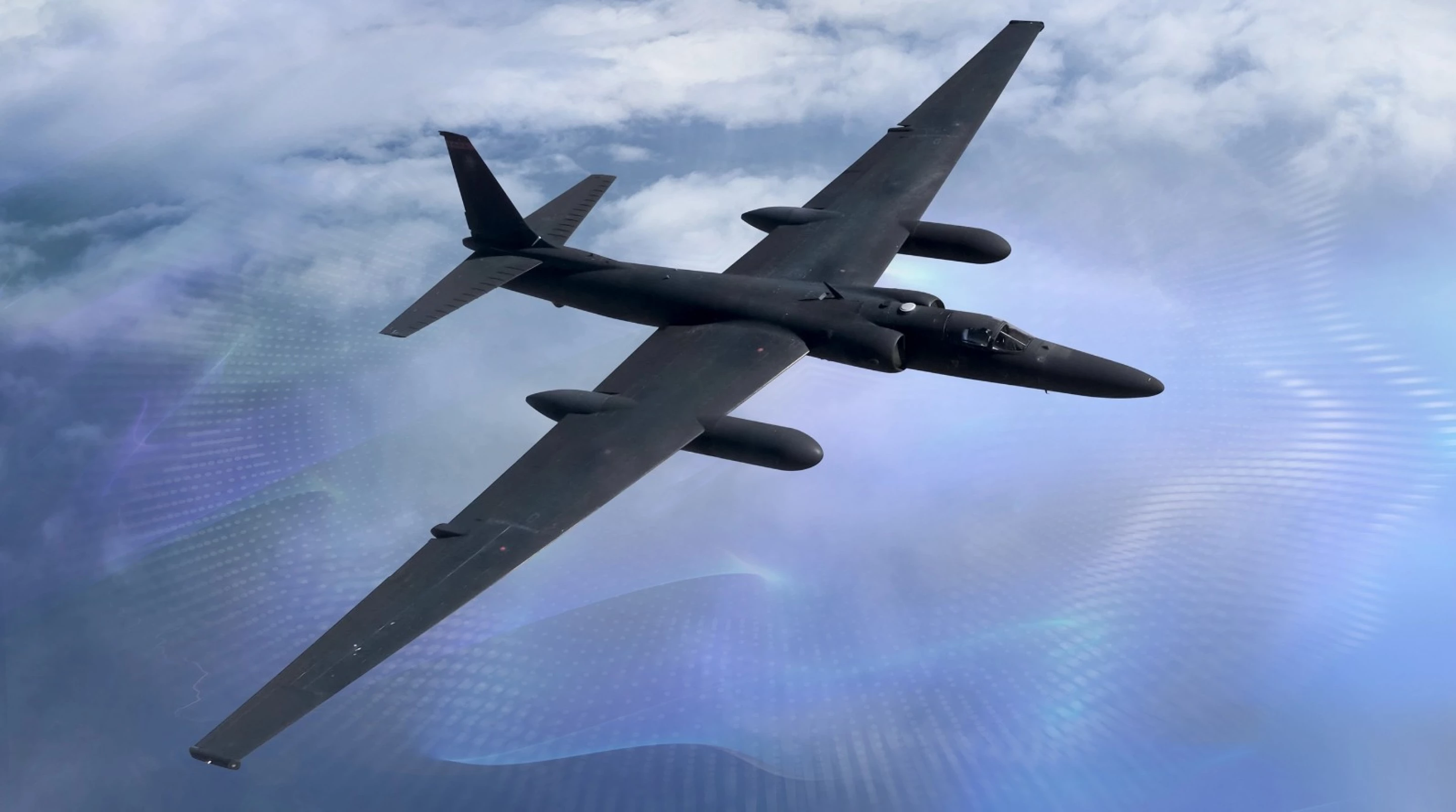
In the modern air force system where fighter aircraft are updated very quickly, the U-2 can be called a "living fossil." Some aircraft models were eliminated by the technological wave before they were fully commissioned. The U-2 has been flying silently at high altitudes for nearly 70 years since it entered service in 1956. Its service time has even exceeded that of the SR-71 "Blackbird", which was regarded as its "successor".
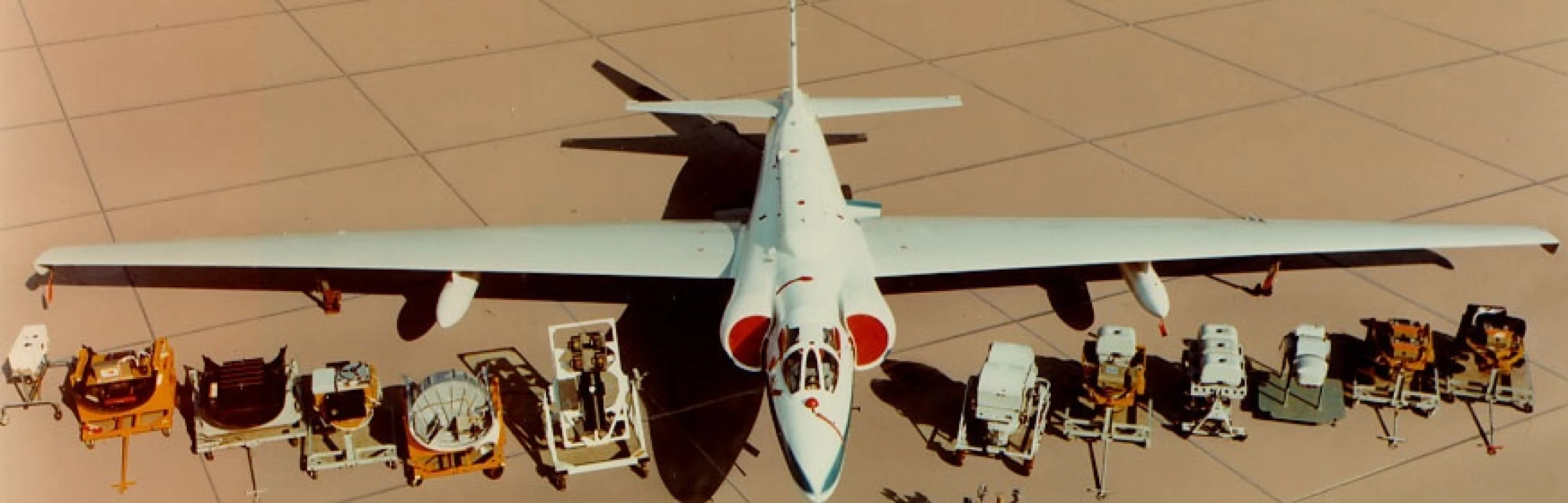
The U-2 was born during the most tense years of the Cold War. At that time, NATO lacked reliable information on the true military strength of the Soviet army behind the "Iron Curtain" and could only rely on reconnaissance platforms such as the British Electric "Canberra" that were converted from bombers. However, the maximum ceiling of Canberra and other aircraft is only about 48,000 feet, making it difficult to avoid the Soviet Union's increasingly mature radar and surface-to-air missile systems.
Therefore, the U.S. military and intelligence community proposed the need for a high-altitude reconnaissance aircraft that could fly above 70,000 feet (about 21 kilometers). It could theoretically escape the detection and interception of Soviet radar and air defense firepower, allowing it to penetrate deep into Soviet airspace and obtain the latest strategic target images and signal intelligence. In order to comply with the "open skies" concept proposed by the Eisenhower administration, the U-2 was even packaged as a "civilian scientific research platform" and placed under the direct control of the CIA rather than the Air Force in order to conduct "deniability" operations in the event of a crash.
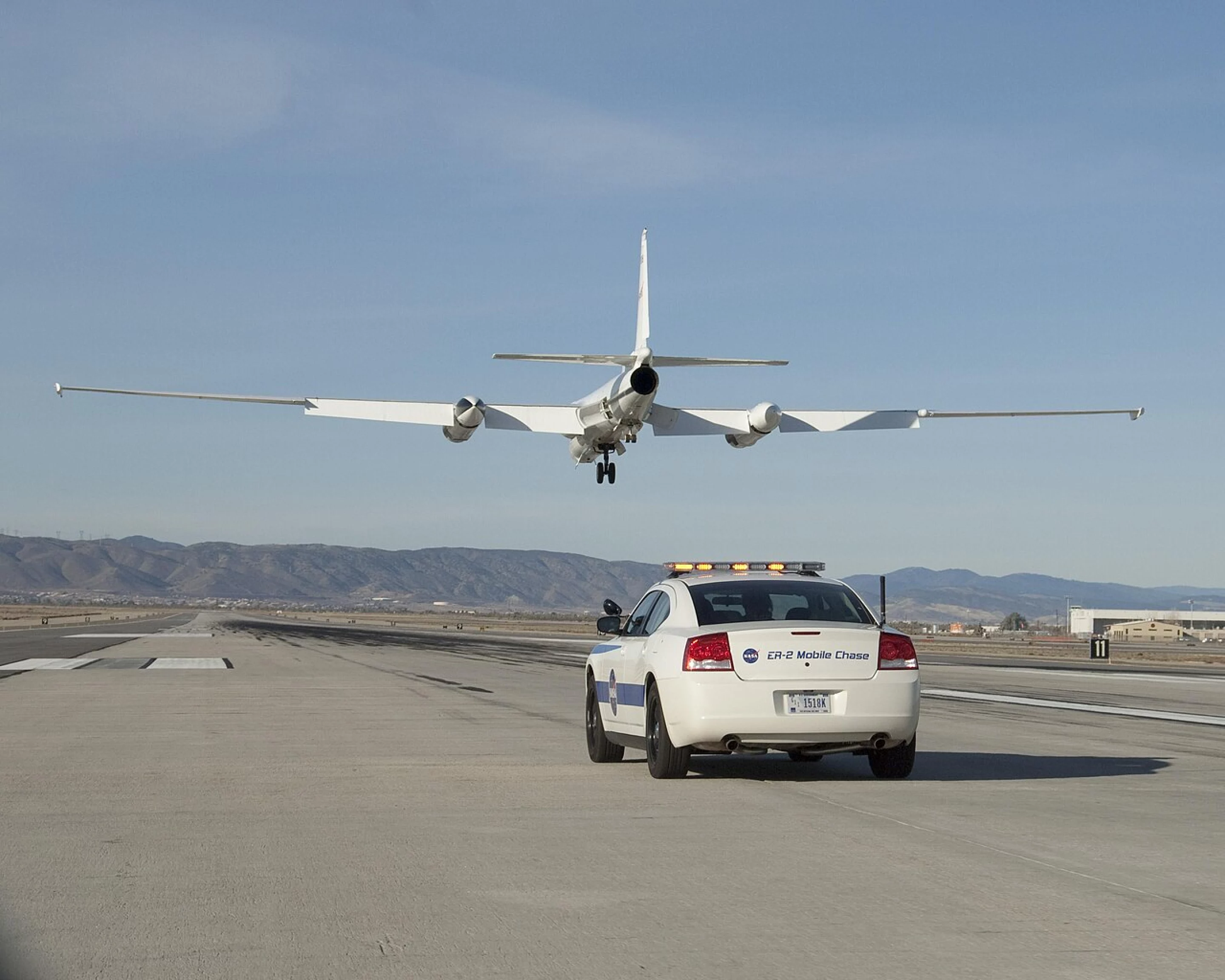
In terms of design, the U-2 is essentially a jet-powered glider: the fuselage length is about 19 meters, the wingspan is about 31 meters, but the empty weight is only about 7.2 tons, and it uses a single General Electric F118-GE-101 engine to provide thrust. The high-aspect-ratio wings are milled from a single piece of aluminum in pursuit of extreme lightweight and structural strength, allowing the aircraft to not only cruise at thin, high altitudes for long periods of time, but also have a glide ratio of about 23:1, theoretically able to glide for thousands of kilometers in the event of engine failure. To adapt to the high-altitude environment, the U-2 also uses specially formulated non-volatile aviation fuel.
The extreme high-altitude performance also brings about the famous "blade edge" of control: at an altitude of 70,000 feet, the air is thin, and the safety margin between the stall speed and the transonic upper limit is extremely narrow. The pilot must control accurately within a very small speed window. On the one hand, taking off and landing at low altitudes requires a great deal of control force; on the other hand, when cruising at high altitudes, aerodynamic loads must be controlled with extremely delicate operations, and all of this must be done in a pressurized flight suit that is similar to a spacesuit to prevent the cockpit from losing pressure.
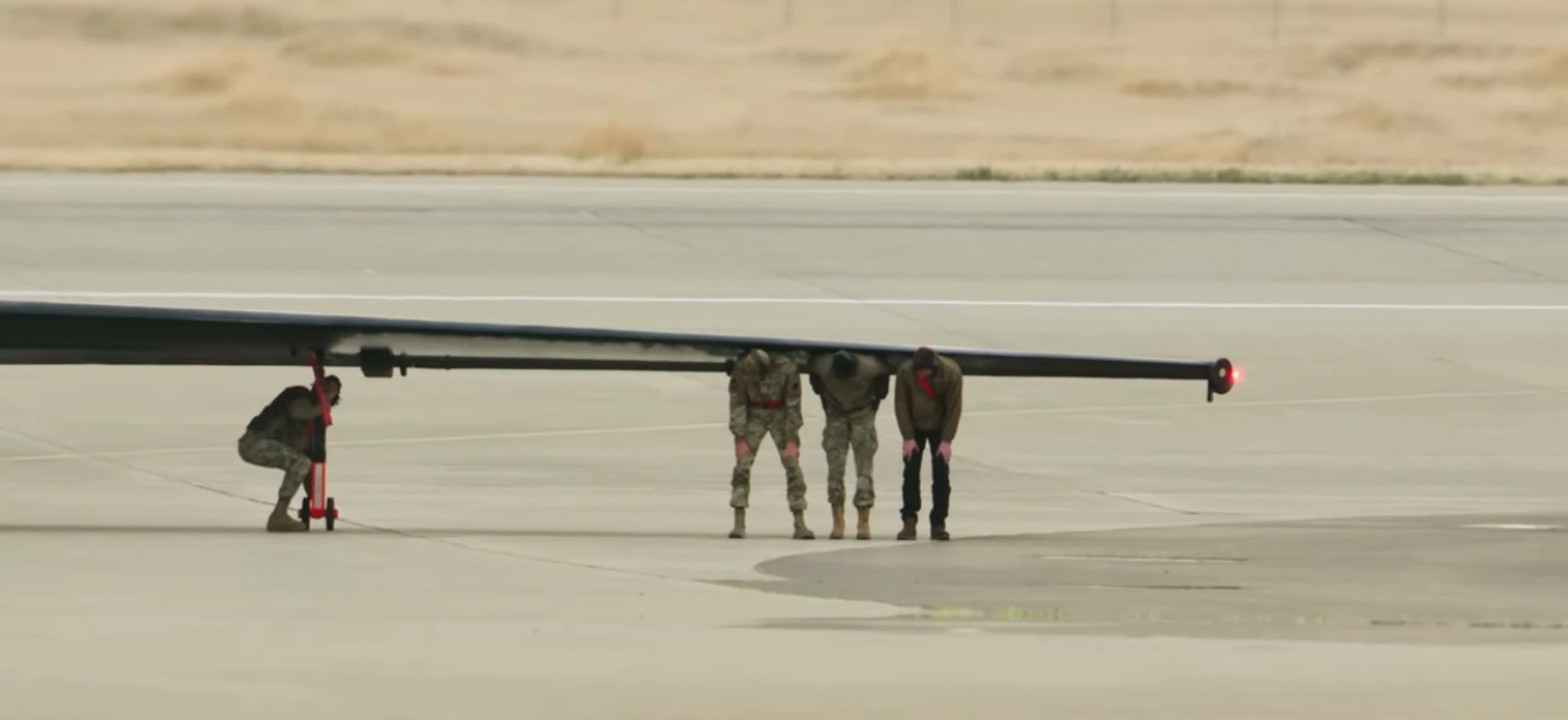
The take-off and landing process makes the U-2 known as "one of the most difficult aircraft to land." In order to reduce weight, the U-2 uses a bicycle-like main landing gear. The wingtips are supported by detachable "wheels" (commonly known as "crutches" or "pogos"), which automatically fall off after takeoff. When landing, the huge wings will form a strong "air cushion" above the runway, causing the aircraft to be reluctant to "stick to the ground". The pilot must accurately control the height of the fuselage to about 60 centimeters, and then deliberately stall the aircraft so that the rear wheels touch the ground first to ensure a safe landing.
The U-2 was initially kept a closely guarded secret until the "Gary Bowles Incident" of 1960 thrust it into global headlines. A U-2 was shot down over the Soviet Union, breaking the optimistic judgment of the United States on "high-altitude stealth" and exposing the fact that the Warsaw Pact air defense system was far more advanced than expected. Pilot Powers was captured and publicly tried in the Soviet Union. The wreckage was displayed in the Moscow exhibition hall. The US's carefully crafted "scientific research aircraft" rhetoric was instantly bankrupt. During the Cuban Missile Crisis in 1962, another U-2 was shot down and the pilot was killed, which further highlighted the high risk of the aircraft's mission.
Nonetheless, the U-2's contribution to the Cold War cannot be ignored. By repeatedly penetrating into Soviet airspace, it provided the United States with key evidence about the number of real Soviet bombers and intercontinental missiles, proving that the opponent's strength was far lower than official propaganda, which directly affected its nuclear strategic judgment. The U-2 also participated in monitoring the Bay of Pigs invasion, performed reconnaissance missions in many places in Asia, and was seconded to the United Kingdom and Taiwan to perform highly sensitive flights that were inconvenient for the United States.
A key factor supporting the U-2's long-term service is its highly modular airframe structure. The standardized hardpoint and load bay design allows for rapid replacement of mission equipment like "building blocks", and everything from cockpit layout to engines to mission systems can be upgraded as needed. Over the past 70 years, the U-2 has been equipped with new engines, the cockpit has been completely digitally transformed twice, and a mission computer and multi-function display have been introduced. The overall appearance of the aircraft is completely different from the original model in the 1950s.
The latest U-2 currently taken over by the U.S. Air Force has longer wings, a maximum takeoff weight more than twice that of the prototype, a faster flight speed, and a range that is nearly three times the original. Its nose is lengthened and adopts a bulging fairing, and is equipped with a side-looking radar antenna inside; the two large-shaped cabins under the wings are not fuel tanks, but "super pods" that can carry nearly 300 kilograms of mission equipment. Different cameras and sensors can be replaced according to mission requirements; a satellite communication spine cabin for large-capacity data uplink and downlink is also installed on the back spine of the aircraft.
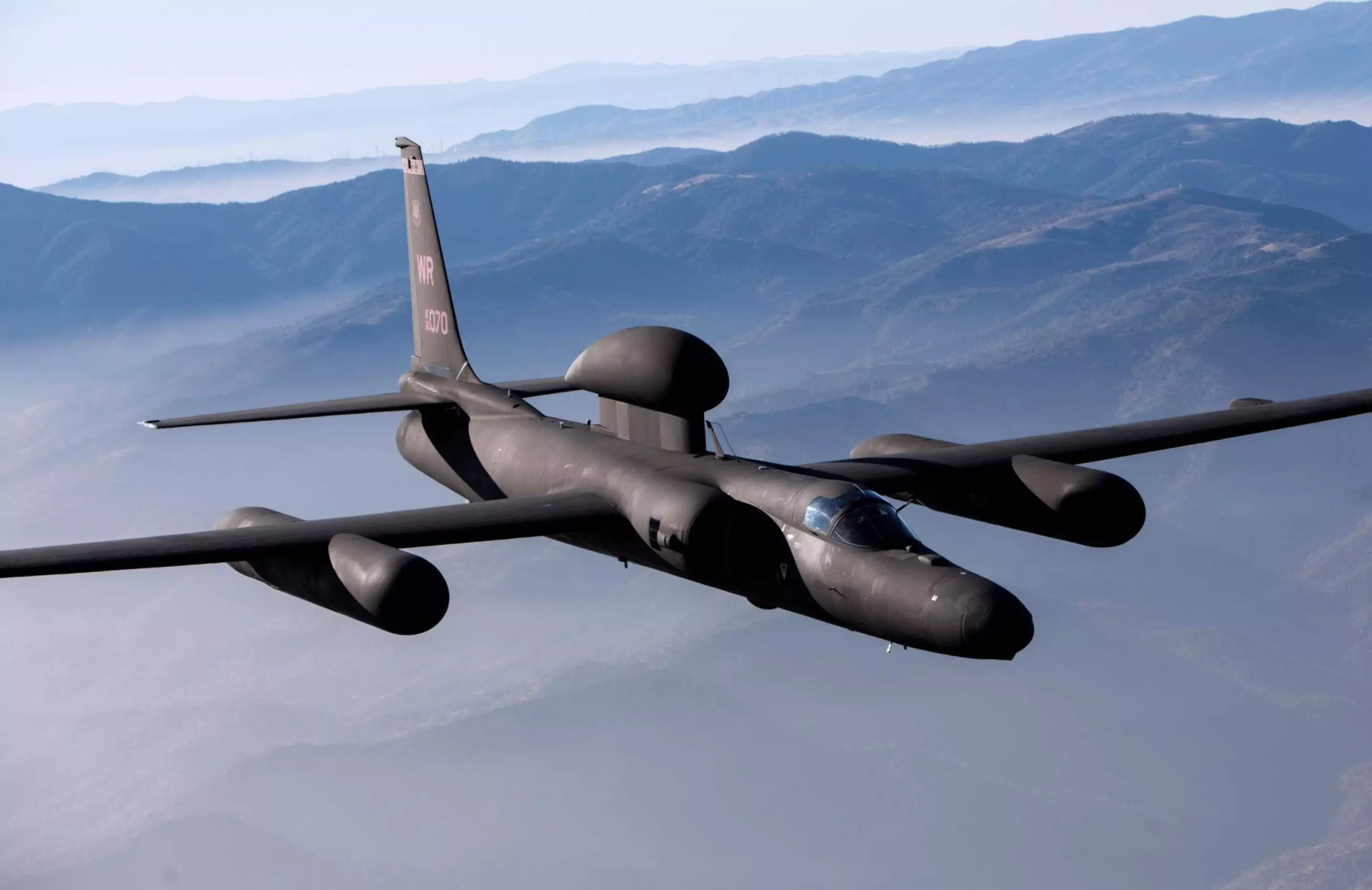
The upgraded AN/ALQ-221 advanced defense system is centered around these platform capabilities. Through modernization, the BAE system will enhance the U-2's detection, identification and countermeasures capabilities for new radar and electronic warfare means, while taking advantage of its high-altitude and long-endurance advantages to build it into an aerial test platform for sixth-generation fighter-related technologies. By continuously iterating the protection system, the U-2 can continue to perform high-risk strategic reconnaissance missions in today's increasingly complex electromagnetic warfare environment.
Ironically, this high degree of upgradeability allowed the U-2 to successfully outlast its successors. In 1966, in order to deal with the risk of the U-2 being shot down at high altitude, the United States launched the SR-71 "Blackbird" strategic reconnaissance aircraft. It hoped that through a higher flight altitude (about 26,000 meters) and a top speed exceeding Mach 3, it could escape the interception window before the missile was launched or directly escape pursuit. However, although the "Blackbird" is incredibly fast, it is a typical "sprinter" and is difficult to hover over the target area for dozens of hours for continuous surveillance like the U-2.
More importantly, the SR-71 has extremely high maintenance costs, complicated ground support, and difficult upgrades. It was eventually retired from active service after the Cold War and became a museum collection, while the U-2 continues to serve today after multiple life extensions and system modifications.
At present, this is not the first time that the U.S. Air Force has tried to retire the U-2 fleet, but it has been repeatedly "braked" by Congress. Out of concerns about the "vacuum period" of strategic reconnaissance capabilities, Congress set a cap on the pace of retirement, allowing a maximum of eight aircraft to be retired each year. As of latest statistics, the U.S. Air Force still maintains approximately 26 U-2s. Although drones and satellites have been widely used, it is still difficult to completely replace this manned high-altitude platform in terms of on-the-fly adjustments, rapid mounting of mission-specific equipment, and on-site decision-making by pilots.
In addition to intelligence missions, the U-2 is an ideal "flying laboratory." Its high-altitude and long-term flight capabilities make it an excellent platform for verifying cutting-edge technologies such as new generation communication systems, artificial intelligence software, and battlefield management equipment. It has also been included in project systems such as the U.S. "Advanced Battlefield Management System" (ABMS).
Following the completion of BAE’s latest round of electronic warfare upgrades, the U-2 Dragon Lady is expected to continue performing missions at the edge of near space into its eighth decade of service. For a platform whose original design life was only two years, such "ultra-long standby" itself has become a legendary footnote in aviation history.