According to news on June 28, Apple and Microsoft have recently raised the prices of some hardware. The reasons point to the same supply chain problem: the supply of memory chips is tight, and AI servers are competing with consumer electronics products for key components.
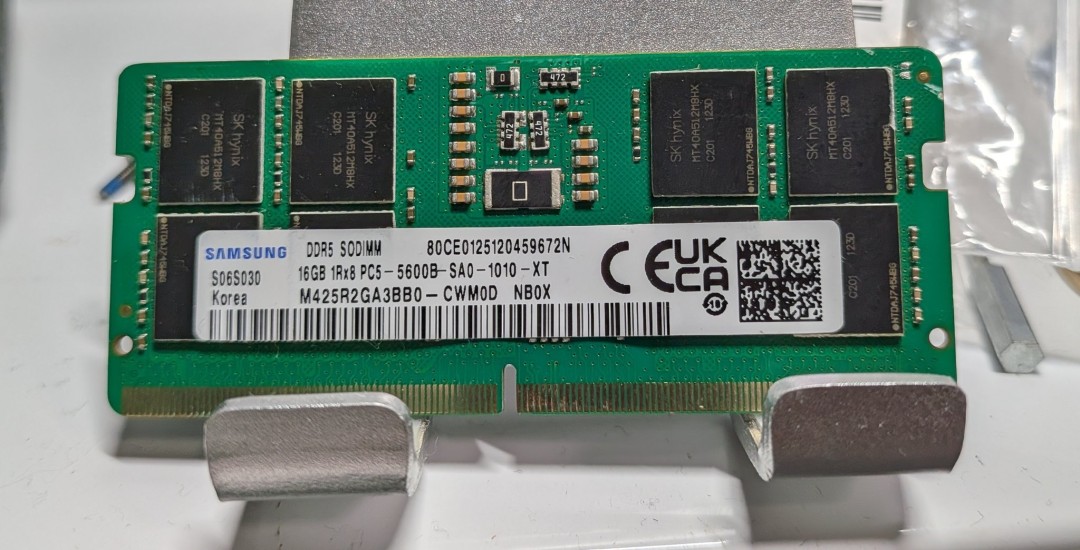
According to CNBC, memory shortages are driving up the cost of electronic product production. Large companies can still rely on cash reserves, procurement scale and supply chain relationships to absorb the pressure, but for small hardware companies, price increases may directly change whether products can continue to be produced.
An 8GB DRAM goes from $35 to $300
The Slovenian startup Mono Technologies is in the most intuitive situation. The company was founded in 2024 with only three employees. Its main product is a $600 router development kit.
Earlier this year, Mono had assembled and shipped nearly 1,000 devices. However, the company's co-founder Tomaž Zaman told CNBC that the 8GB Micron DRAM they purchased cost about US$35 each during the research and development stage, but now it has risen to US$300.
This is not forward pressure on the books. Mono currently has about 1,300 customers who have paid a deposit of US$100 in advance and are waiting for the next batch of products. Zaman said the company now faces two options: continue to produce the second batch and increase the price by at least one-third; or launch a new version and reduce the memory capacity by 75%.
Both are tough choices for a niche product aimed at early adopters and hardware enthusiasts. If the price rises to US$900 or even US$1,000, it will greatly exceed the budget of the target users; significantly cutting off the memory will weaken the core selling point of the product.
Big companies can raise prices, but small companies may not be able to withstand it.
Apple and Microsoft's price increases are more like cost-passing. They have large-scale users, strong supply chain bargaining power and thicker cash buffers. Even if the prices of some products increase, it may not immediately hurt their business fundamentals.
Small companies don’t have that leeway. Consumer electronics manufacturers have low profit margins. It is more difficult for small hardware teams to lock in long-term supply in advance, and it is also difficult to require suppliers to provide priority. When the same batch of memory is sucked away by AI servers, GPU systems and large customers, small manufacturers are often left with more expensive and unstable spot supplies.
The impact of the memory shortage does not only fall on AI companies and cloud vendors. Routers, game consoles, tablets, and development kits all require DRAM. The expansion of AI infrastructure is passing on cost pressure to ordinary consumers and niche hardware manufacturers: either product prices are rising, configurations are shrinking, or delivery is delayed.