In recent years, NVIDIA has been a leader in the technology field and has launched a series of revolutionary technical features, the most prominent of which is its artificial intelligence image enhancement technology DLSS. At the recent GTC 2026 conference, the company released a black technology - neural texture compression.
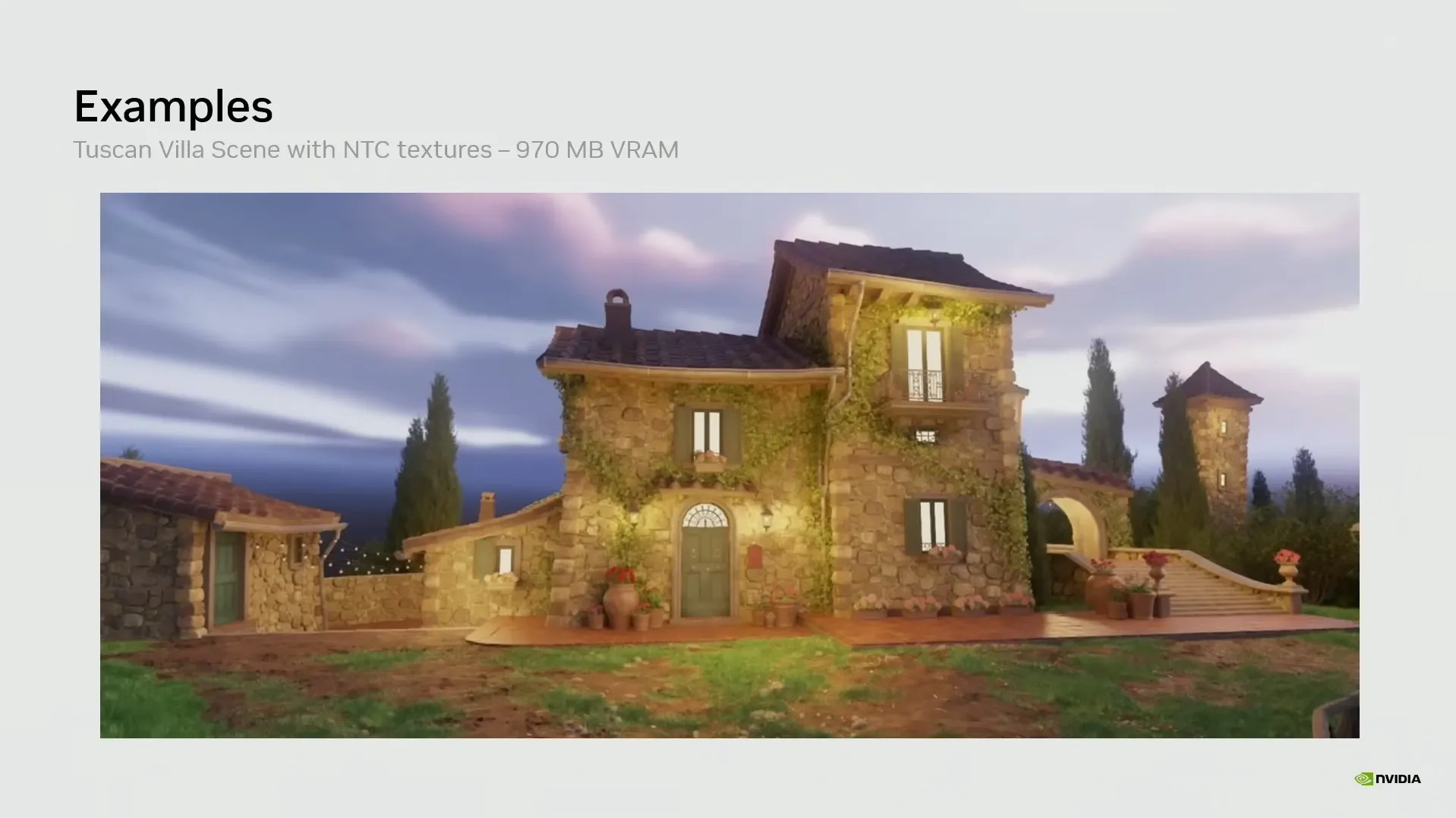
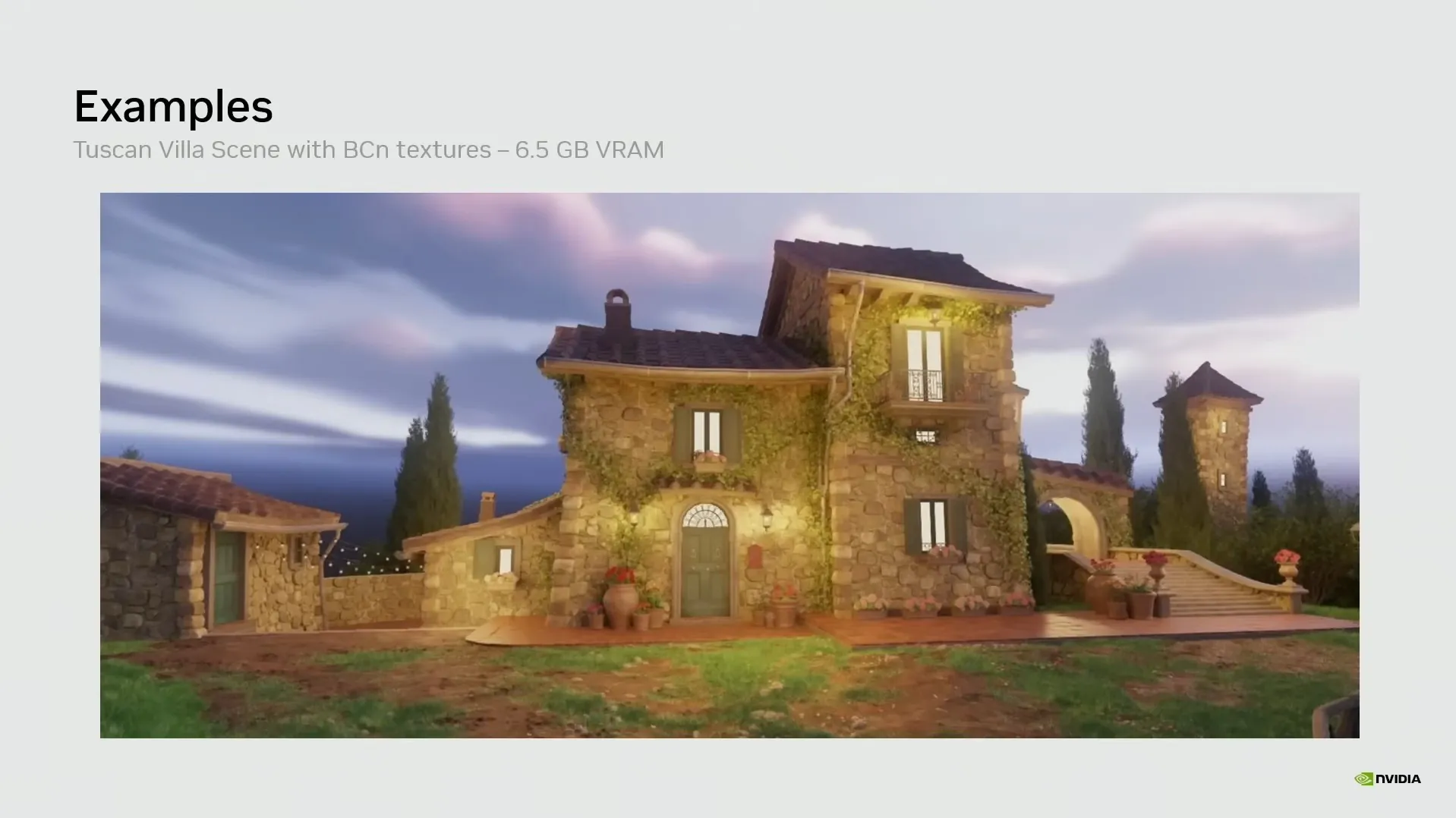
This artificial intelligence technology is said to reduce video memory usage by 85% when playing games, with zero loss of image quality. Its neural texture compression demo shows that it achieves "amazing visual effect consistency" between 6.5GB and 970MB of video memory.

As games become more complex and realistic, the gaming industry increasingly relies on image upscaling technology to meet growing hardware demands. A major problem caused by this lack of optimization is video memory usage, which has increased dramatically in recent years. To solve this problem, Nvidia developed a technology called "Neural Texture Compression" (NTC) and mentioned it again at the GTC conference today. The most powerful graphics cards will be able to take full advantage of Nvidia's NTC technology.
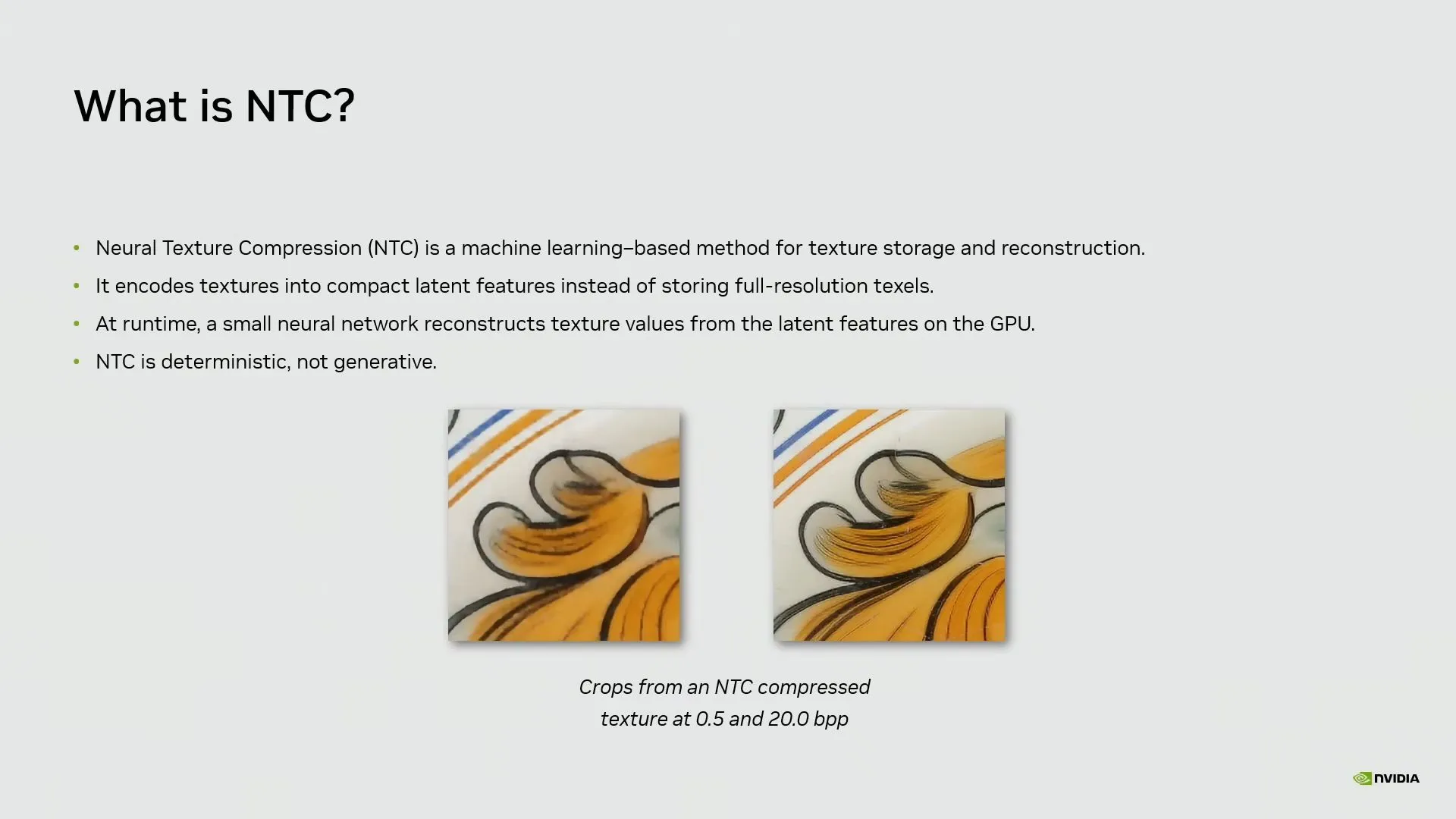
NTC allows developers to use small neural networks to unpack textures in any scene. This not only significantly reduces the size of the textures, making game installation easier, but also reduces the graphics memory usage during runtime. In addition, the quality of the final texture generated is also higher, and Nvidia claims that the resolution of the final rendering can be increased by up to 4 times.
In the example below, Nvidia ran a Tuscan villa scene that took up 6.5 GB of video memory when using standard block (BCN) compression, but after switching to NTC, the video memory usage dropped to only 970MB, while the image effect was exactly the same.
Another demo from the company previously showed off a flying helmet with an uncompressed texture taking up 272 MB - block compression reduced that to 98MB, while NTC reduced it to just 11.37MB, which is about 1/24th of the original texture's footprint.
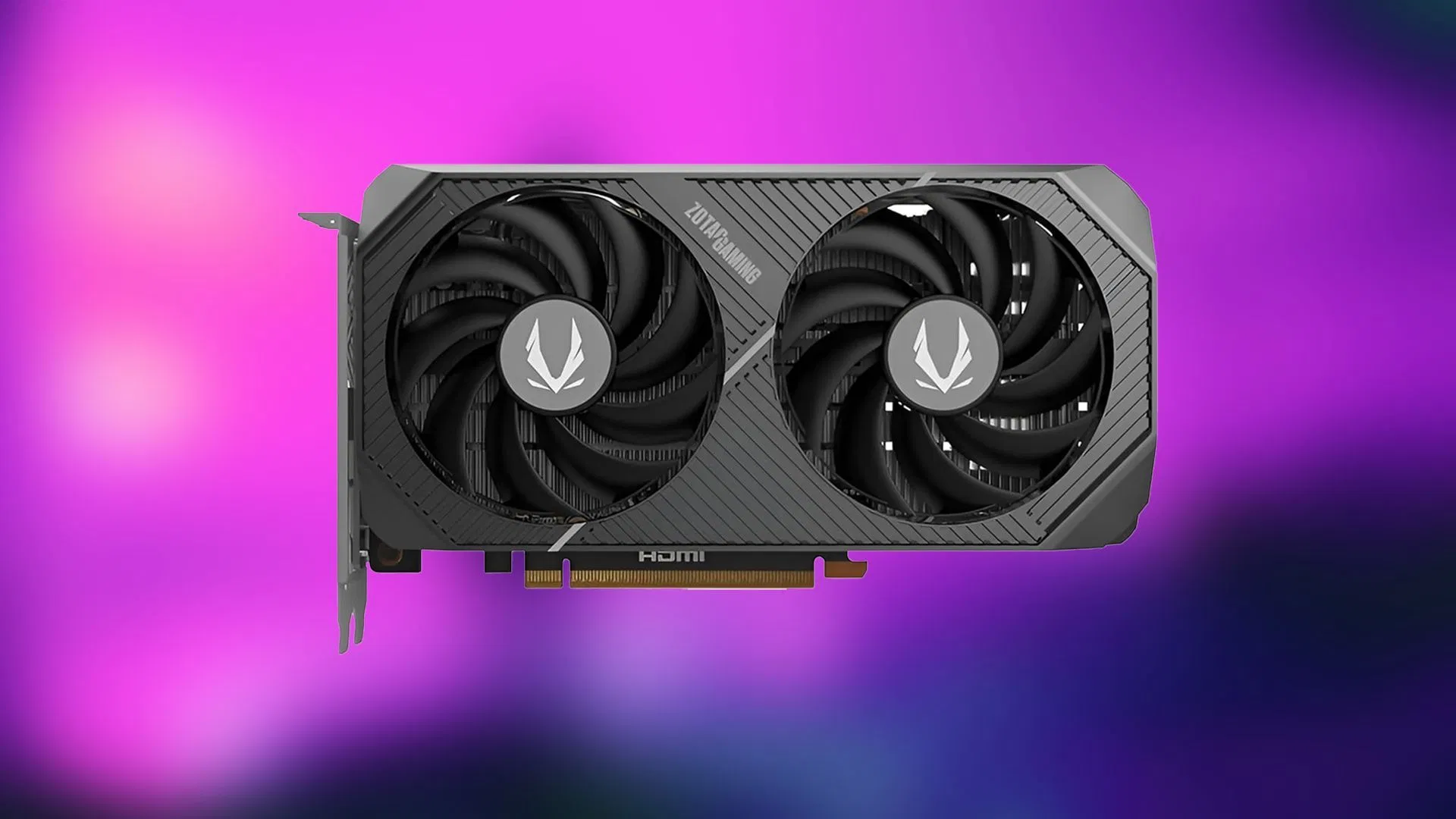
It's unclear whether this technology will roll out to older graphics cards, but users of 8GB graphics cards like the RTX 5060 or 5060Ti should benefit. DLSS 5 has been controversial, but the technology should be popular with many users.
Nvidia also showed off Neural Materials, which have the same idea: use neural networks to evaluate and decompress material texture data, rather than relying on computationally expensive Bidirectional Reflectance Distribution Function (BRDF) math.
Often, a material will have multiple texture maps stacked on top of each other, and the GPU must calculate how light interacts with each layer simultaneously in the rendering pipeline. Neural Material technology simply asks a neural network how light will react in a specific scene and adjusts the shading of pixels accordingly. The neural network is trained on all the texture data, so it already knows what the results will be for a given light and angle. Because of this, in the demonstration scene, NVIDIA achieved up to 7.7 times faster rendering at 1080p resolution without any loss in image quality.
The reason why NTC is so efficient is because it uses a matrix acceleration engine. In modern GPUs, the matrix acceleration engine is an independent hardware module and therefore does not affect basic performance. NVIDIA calls it Tensor Core, Intel calls it XMX engine, and AMD calls it AI accelerator. Image upscaling technologies such as DLSS, FSR and XeSS also rely on this to reconstruct low-resolution frames into higher-resolution output, so this is also part of Nvidia's neural rendering initiative.
The concept of neural rendering is not yet widely recognized in the industry, and the term "neural network" may make you think that this is just another poor attempt at artificial intelligence. But on the contrary, it is one of the best applications of artificial intelligence because it does not involve a generative process at all. NTC will only train on specific texture sets that need to be referenced during game development, so there will be no illusions.
Textures are the most memory-intensive component of any game, so any technology that can control texture usage is welcome. However, it should be noted that this technology is not unique to Nvidia. Microsoft has standardized it as "Cooperative Vectors" in DirectX. Intel has previously shown off its texture demos, which showed significantly better results compared to block compression. AMD last mentioned this technology in 2024, but it is likely that it is also actively involved.

Currently, no games support cooperative vectors or Nvidia's neural texture compression technology, but given the industry's trends, we should see them implemented soon. Artificial intelligence seems to have become the master key to solve all age-old problems, and major companies are constantly exploring its application in various seemingly inappropriate fields. However, innovations like Neural Texture Compression show that AI can be cleverly applied in practice to have a truly meaningful impact.