
NVIDIA GeForce GTX 10 series gaming graphics cards celebrate the tenth anniversary of their release. In May 2016, Nvidia launched the GeForce GTX 1080 based on the "Pascal" graphics architecture and using TSMC's 16-nanometer FinFET process technology. This generation of products is regarded by many industry insiders as the last generation of GeForce gaming GPUs that truly comply with Moore's Law.
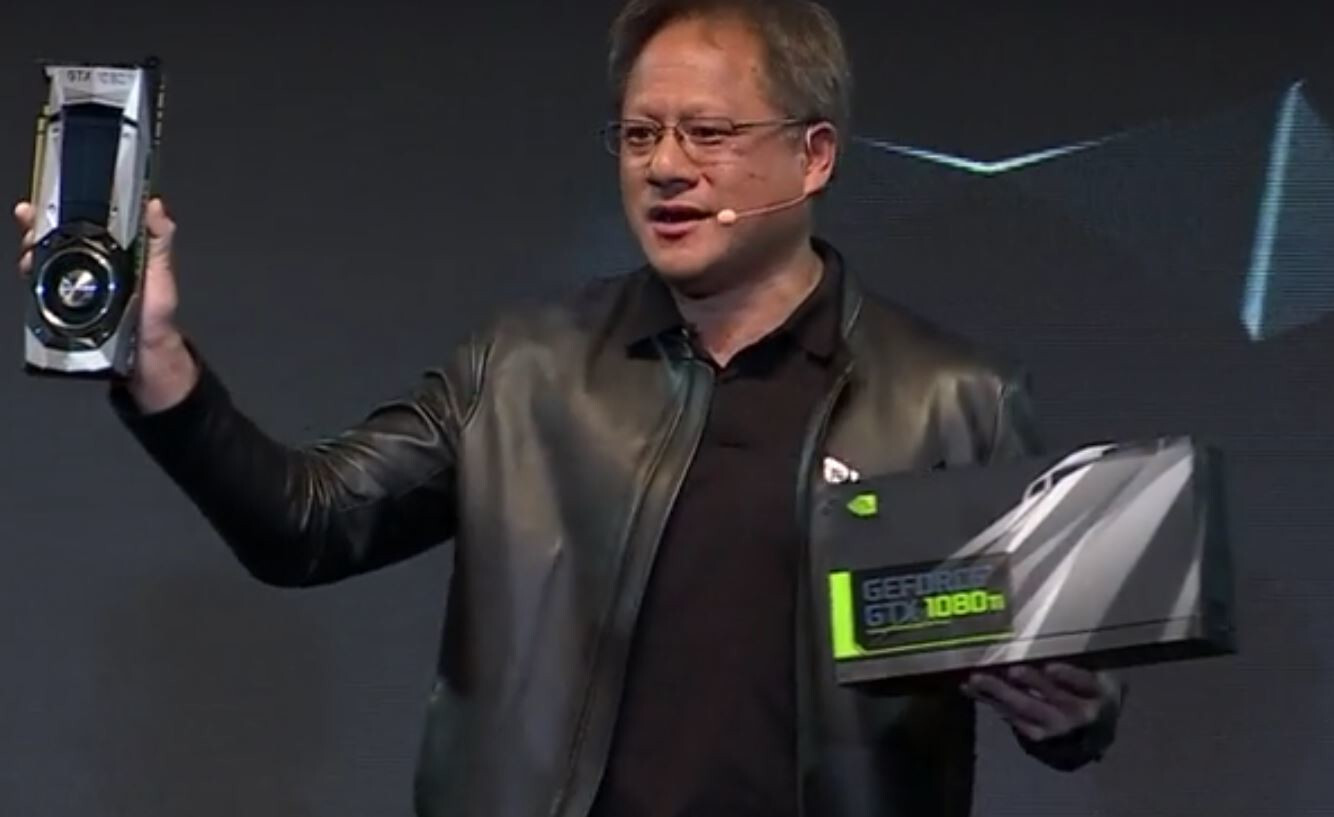
According to reports, as the flagship product of the year, the GTX 1080 only required a set of 8-pin power supply interfaces with a power consumption of 150 watts, but it was already able to smoothly run 4K ultra-high definition AAA masterpieces at the time at native resolution without resorting to any image upscaling technology. Compared with the previous generation GTX 9 series using the "Maxwell" architecture, "Pascal" has set a new benchmark that can be called "phenomenal" in terms of performance and power consumption ratio, and has become a classic in the minds of many players and hardware enthusiasts.
As time goes by, GTX 1080 and the entire 10 series product line are gradually replaced by the subsequent RTX 20, 30, 40 and even the latest 50 series. However, TechPowerUp pointed out that in many players’ actual usage scenarios, GTX 1080 and the flagship GTX 1080 Ti is still in service, especially at 1080p or 1440p resolution, and can still meet the needs of most mainstream games. In today's context where new cards with high power consumption and high prices emerge in an endless stream, this generation of products, which are known for their relatively "restrained" power consumption and excellent lifespan, show a sign of the "end of the Moore's Law era".